
 简体中文
简体中文 繁体中文
繁体中文 Deutsch
 日本語
日本語 한국어
한국어 Tiếng Việt
 Русский
 ไทย
ไทย Bahasa Indonesia
 Bahasa Melayu
 Filipino
 لالعربية
 Français

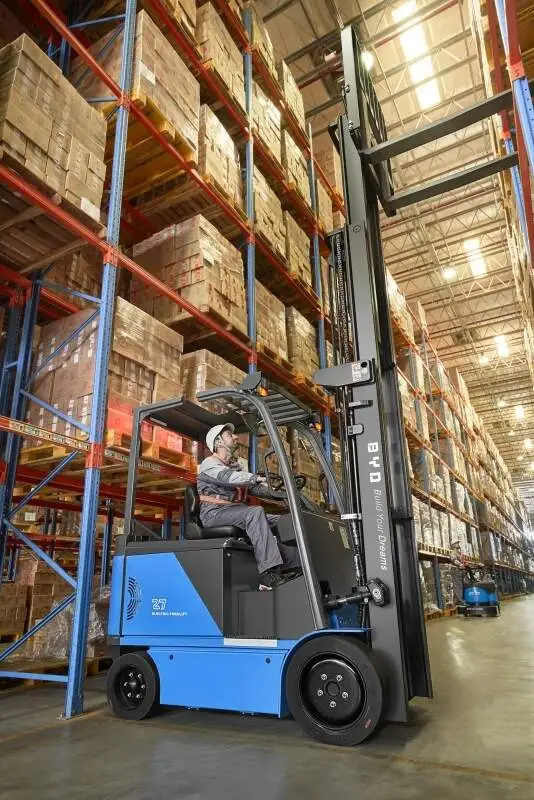
The whole process of replacing 3.5-ton lithium battery forklift equipment in the enterprise is sorted out
With the gradual improvement of environmental protection supervision of domestic non-road mobile machinery, and the improvement of enterprises' demand for cost reduction and efficiency of warehousing and logistics, many enterprises with a certain service life of fuel oil or old electric forklifts will consider replacing the 3.5-ton lithium-ion forklift with compliance. Today, we will sort out the specific operation from the aspects of preparation before equipment replacement, core handling process, and finishing work after replacement.
The first step is the preparation stage before the replacement, which will directly affect the replacement efficiency and the rationality of the plan. The first step is to sort out the relevant information of the old car, including the factory certificate, purchase certificate, daily use maintenance records, and the environmental protection information label or registration record certificate of non-road mobile machinery required in some areas. The second step is to clarify their specific needs for 3.5-ton electric lithium forklifts, such as the commonly used door frame lifting height, the space limit of the operation site, the battery capacity corresponding to the single-day operation time, and whether to install attachments. Sorting out the needs in advance can make subsequent contact more efficient. The third step is to confirm the legal business qualifications of their own enterprises and prepare a preliminary budget range.
The next step is the core processing process. The first step is to select a regular service provider with equipment replacement qualifications to contact, submit the old car information prepared in the early stage and their own needs, and initially understand the general direction of the replacement. The second step is to arrange on-site evaluation of used cars. Generally, service providers will provide on-site evaluation services. The evaluation content includes the service life of the old car, mileage, appearance loss degree, operating status of core components, environmental protection emissions, etc. The third step is to negotiate a specific replacement plan, mainly including the reasonable discount of the old car, the specific configuration of the 3.5-ton lithium-ion forklift, delivery cycle, after-sales guarantee content, etc. The company can conduct multiple rounds of communication with the service provider according to its own situation. The fourth step is to sign a formal written contract. Before signing, carefully check all the terms, especially the configuration details, cost details, quality assurance period, standards for handover of old cars and acceptance of new cars, liability for breach of contract, etc., and then sign and seal after confirming that it is correct. The fifth step is to complete the delivery of new cars and handover of old cars. The enterprise should accept the new car according to the standards agreed in the contract, such as checking whether the appearance is damaged, whether the core parameters meet the requirements, whether the battery identification is complete and effective, and whether the functions are normal. After the acceptance is passed, the handover procedures of the old car will be handled. The sixth step is the settlement of expenses. Generally, the balance will be paid after the handover and acceptance of the old car is completed and the new car is confirmed to be in normal operation.
Finally, after the replacement of the finishing work, the enterprise should promptly hand over the relevant certificates of the old car to the service provider, and at the same time keep all the information of the new car, including the certificate of conformity, warranty card, instruction manual, etc. In some areas, it is also necessary to complete the environmental protection registration of the new car in a timely manner.


