
 简体中文
简体中文 繁体中文
繁体中文 Deutsch
 日本語
日本語 한국어
한국어 Tiếng Việt
 Русский
 ไทย
ไทย Bahasa Indonesia
 Bahasa Melayu
 Filipino
 لالعربية
 Français

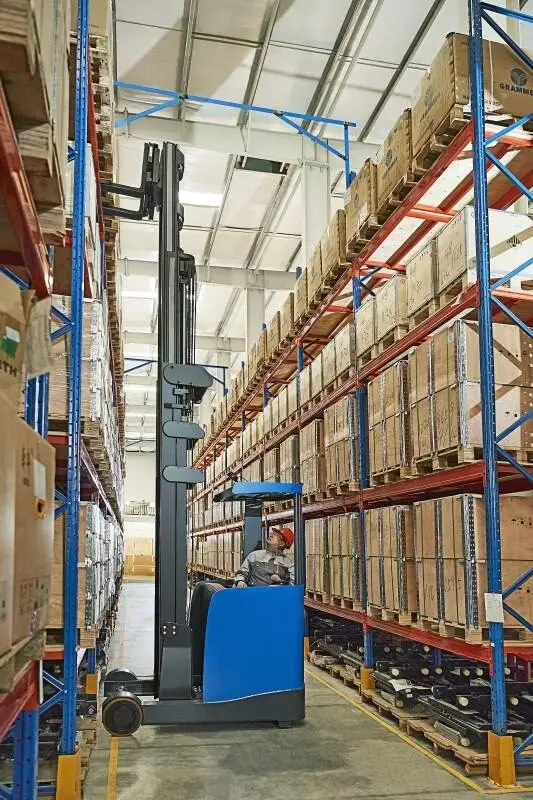
Daily maintenance is the core link to ensure the safe and stable operation of explosion-proof lithium forklifts, and it is necessary to follow the standardized process one by one.
Daily maintenance process
Pre-shift basic inspection
Before operation, a comprehensive inspection of the appearance of the forklift is required to confirm that there are no obvious bumps or deformations on the body, and that the explosion-proof sealing parts such as junction boxes and dashboard covers are not loose or damaged. At the same time, check whether the battery voltage is in the normal range, check whether there is any leakage or bulging on the surface of the battery, and ensure that the explosion-proof vents are not blocked. In addition, the flexibility of the braking system and steering system needs to be tested to confirm that the control components respond normally.
Class dynamic inspection
During the operation of the forklift, an inspection is required every 1 to 2 hours. Focus on the working temperature of the battery. If the temperature exceeds the specified range, stop the operation in time and check the cause. Pay attention to whether there are abnormal sounds during driving, such as abnormal braking sounds, walking wheel jamming sounds, etc. Once found, stop the machine immediately for inspection. At the same time observe various warning lights on the dashboard. If there is an abnormal alarm, it needs to be handled according to the standard process.
After-shift comprehensive maintenance
After the operation, it is necessary to turn off the power of the forklift first, wipe the surface of the body with a dry and clean soft cloth, remove dust, oil and other debris, and pay attention to avoid direct contact with the explosion-proof electrical parts by water. Check whether the battery cable is loose or corroded, and tighten or clean the connection point in time. Park the forklift in a well-ventilated area away from flammable and explosive items, and pull the parking brake.
Accessories replacement instructions
Battery related accessories replacement
When replacing the battery cable, it is necessary to cut off the main power supply and wear insulating gloves to ensure that the specifications of the new cable are consistent with the original accessories. After connecting, check whether the insulating layer is in good condition and the fastening bolts are moderate. If replacing the battery explosion-proof valve, choose the appropriate model, and ensure that the sealing pad fits tightly during installation to avoid leakage.
Brake system parts replacement
When the brake pads are worn to below the specified thickness, they need to be replaced in time. Disconnect the power supply before replacement, and use special tools to disassemble the brake parts to avoid sparks. After the new brake pads are installed, the brake clearance needs to be adjusted to ensure that the braking effect meets safety standards. At the same time, check whether the brake fluid leaks, and supplement the compliance brake fluid as needed.
Walking system accessories replacement
When replacing tires, choose suitable explosion-proof tires, and use non-spark tools during disassembly to avoid tapping metal parts to generate sparks. After installing new tires, check whether the air pressure meets the requirements, and operate according to the specified torque when fastening the hub bolts to ensure that the tires are firmly installed and prevent loosening and falling off during driving.
During the maintenance and replacement of parts, the operator must strictly abide by the explosion-proof operation specifications and regularly record the maintenance conditions to ensure that the forklift is always in a safe and reliable operating state.


