
 简体中文
简体中文 繁体中文
繁体中文 Deutsch
 日本語
日本語 한국어
한국어 Tiếng Việt
 Русский
 ไทย
ไทย Bahasa Indonesia
 Bahasa Melayu
 Filipino
 لالعربية
 Français

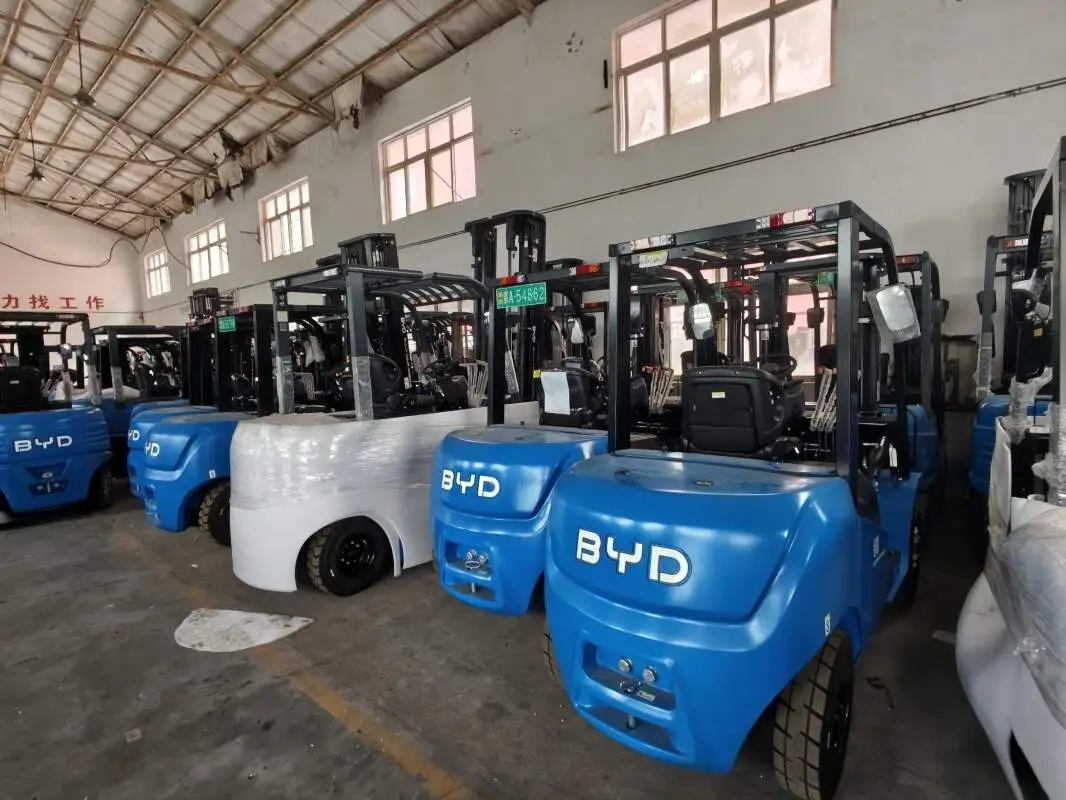
Second-hand explosion-proof lithium forklifts have both explosion-proof characteristics and lithium-ion power advantages, and are widely used in special working conditions. However, the acceptance of second-hand equipment requires both performance and safety. The following are the core considerations for the inspection and acceptance of the whole process.
Appearance and infrastructure inspection
First check the overall appearance to see if there are collision deformation and rust marks on the body, whether the shell of the explosion-proof parts is intact and not damaged, and whether the sealing strip is aging and failing to avoid damage to the protective performance. Then check the load-bearing structural parts, the frame, fork and other parts need to confirm that there are no cracks and excessive wear, and whether the gap between the door frame lifting guide rail is within a reasonable range to ensure the overall structural stability of the equipment.
core component performance testing
The lithium battery system is the core link. It is necessary to check the remaining capacity of the battery, the performance of the charge and discharge cycle, check the battery pack for leakage and bulging phenomenon, confirm that the battery management system is running normally, and can accurately monitor the battery status. In terms of the power system, test the noise and vibration of the motor during operation, check whether the power output of the controller is stable, and there are no cards or speed loss problems. The braking system needs to verify the sensitivity of the brake, check the wear degree of the explosion-proof brake components, and confirm that the parking brake can lock the equipment firmly.
Explosion-proof safety special project verification
Explosion-proof electrical components need to be checked one by one, whether the terminals are firm, whether the explosion-proof surface of the explosion-proof shell is free of scratches and rust, and whether the explosion-proof logo is clear and recognizable. Check the sealing of each sealing point to prevent flammable and explosive gases from invading the inside of the equipment. At the same time check the electrostatic protection device, whether the grounding terminals of the body are in good condition, and the static discharge parts can function normally to avoid risks caused by static electricity accumulation.
Condition simulation and document verification
Carry out no-load and rated load operation tests to observe whether the steering, walking, lifting and other movements of the equipment are smooth, and whether the stability under extreme working conditions is up to standard. In addition, check the explosion-proof certificate of the equipment, test reports over the years, maintenance records and second-hand transaction certificates to ensure the compliance of the equipment and the traceability of historical status.
Standardized inspection and acceptance can effectively check the potential hidden dangers of second-hand explosion-proof lithium forklifts, ensure the safety and performance stability of the equipment in subsequent use, and provide reliable support for special working conditions.


