
 简体中文
简体中文 繁体中文
繁体中文 Deutsch
 日本語
日本語 한국어
한국어 Tiếng Việt
 Русский
 ไทย
ไทย Bahasa Indonesia
 Bahasa Melayu
 Filipino
 لالعربية
 Français

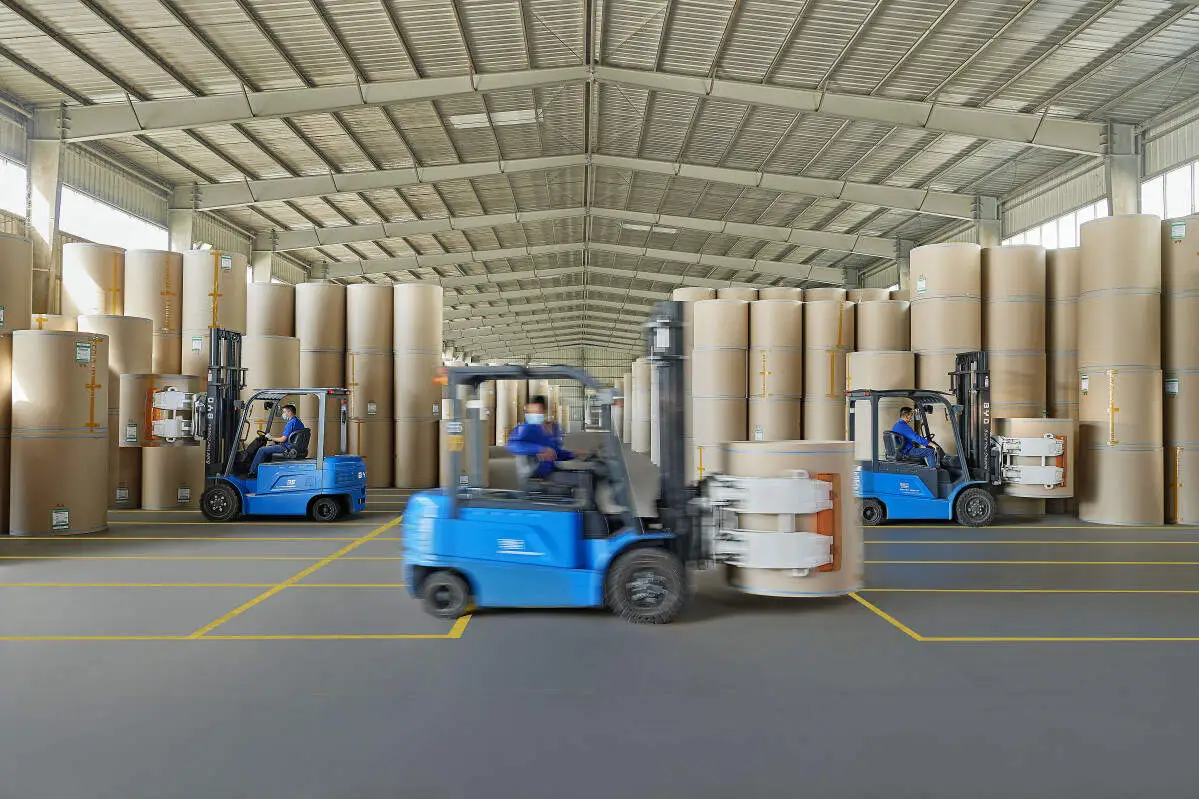
With the continuous improvement of the environmental protection supervision system, the environmental protection verification of the factory has become a compliance link that cannot be ignored in the daily operation of the enterprise. As a high-frequency operating equipment used in the factory, whether the emission standards are up to standard directly affects the verification results. Among them, electric forklifts and fuel forklifts have significant differences in emission standards and verification requirements due to the different nature of power sources.
The emission standards of fuel forklifts focus on the control of exhaust pollutants. As a fuel-powered non-road mobile machinery, fuel forklifts produce exhaust pollutants such as carbon monoxide, nitrogen oxides, and particulate matter during operation. The state has formulated clear stage emission standards for such equipment, and the limit requirements for various pollutants at different stages are gradually stricter. In the environmental protection verification of the factory, the inspectors will focus on checking whether the fuel forklift meets the current emission stage standards, whether it holds a valid exhaust test report, and in some scenarios, on-site exhaust sampling will be carried out to ensure that the exhaust emissions meet the standards.
The emission advantage of electric forklifts is reflected in the absence of tail gas pollution. Electric forklifts rely on electric energy to drive, and will not directly generate exhaust emissions during operation, so there is no need to meet the exhaust emission standards of fuel forklifts. However, the environmental compliance of electric forklifts is not limited to the operation. In the environmental protection verification of the factory area, it will focus on the whole life cycle environmental protection management of its batteries, including whether the used batteries are recycled and disposed of by qualified professional institutions, and whether a complete battery recycling account is established to avoid soil or water pollution caused by heavy metals and other substances in the battery.
In the specific link of environmental protection verification in the factory area, the verification focus of the two types of forklifts is also different. For fuel forklifts, the verification core revolves around the compliance of exhaust emissions, involving the validity of test reports, equipment maintenance, etc.; for electric forklifts, the verification is biased towards the standardization of battery environmental protection disposal to ensure that the whole process from equipment use to scrap meets environmental protection requirements. Enterprises need to choose the type of forklift reasonably according to their own operational needs, combined with environmental protection verification standards, and do a good job in corresponding compliance management to ensure that the environmental protection of the factory is up to standard.


