
 简体中文
简体中文 繁体中文
繁体中文 Deutsch
 日本語
日本語 한국어
한국어 Tiếng Việt
 Русский
 ไทย
ไทย Bahasa Indonesia
 Bahasa Melayu
 Filipino
 لالعربية
 Français

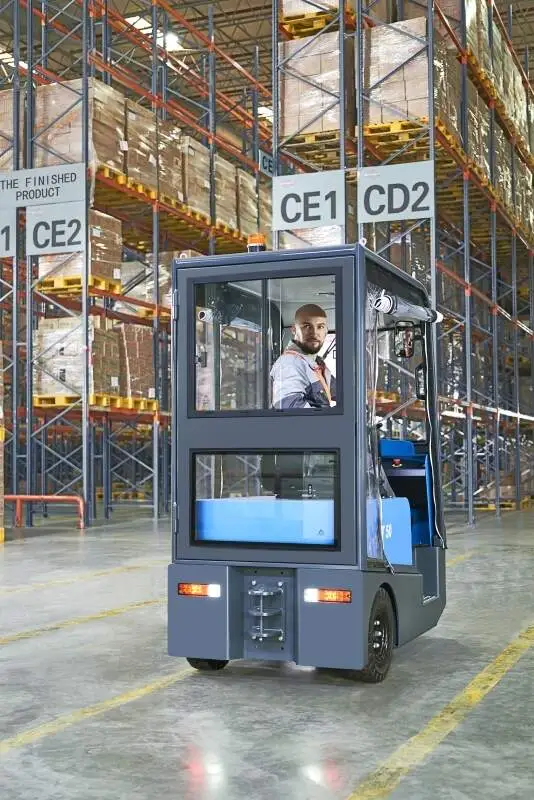
In the dust-free workshop of the food and pharmaceutical industry, the forklift is the core equipment of material handling, and the proper selection directly affects the cleanliness and production efficiency of the production environment. The distinction between electric and fuel models is the core issue that must be paid attention to in the selection process.
Key Differences in Environmental Adaptability
Food and medicine dust-free workshops have strict restrictions on particulate matter and harmful gases in the air. Fuel forklifts generate exhaust gas during operation, including carbon monoxide, hydrocarbons and other pollutants. Even if an exhaust gas purification device is installed, it is difficult to completely avoid the spread of pollutants, which can easily damage the dust-free environment of the workshop and does not meet industry production standards. Electric forklifts rely on batteries to operate with zero exhaust emissions during operation, and will not release harmful pollutants into the air of the workshop. They can better adapt to the cleanliness requirements of dust-free workshops and reduce the potential impact on product quality.
The difference between the difficulty of cleaning and maintenance
The dust-free workshop requires that the surface of the equipment is not easy to accumulate dust and is easy to clean. The engine, fuel pipeline and other components of the fuel forklift have complex structures, which are prone to residual oil and dust. When cleaning, some components need to be disassembled, which is not only time-consuming and laborious, but may also introduce new pollutants during the cleaning process. The structure of the electric forklift is relatively simple, there are no fuel-related complex parts, and the surface is flat and smooth. Daily cleaning only needs to wipe the surface. The maintenance process is simpler, which can reduce the interference of cleaning and maintenance on the clean environment of the workshop.
Comparison of operating costs and energy consumption
From the perspective of long-term operating costs, the fuel cost of a fuel forklift varies with the fluctuation of oil prices, and the daily maintenance of the engine and the replacement frequency of parts are high, and the overall operation and maintenance cost is relatively high. The main energy consumption of an electric forklift comes from battery charging, and the electricity cost is relatively stable and lower than the fuel cost. At the same time, the battery has a long service life. Daily maintenance only requires regular inspection of the battery status, cleaning the charging interface, etc. The long-term operating cost is lower, which is more in line with the cost control needs of enterprises.
Compliance and security considerations
The food and pharmaceutical industry has strict production compliance standards. The exhaust emissions of fuel forklifts may lead to workshop environmental parameters that do not meet the cleanliness requirements and face compliance risks. In addition, fuel is flammable and explosive, and there are safety hazards in the process of storage and filling in dust-free workshops. Electric forklifts use batteries as power sources, and there is no risk of fuel leakage, flammability and explosion. The noise is lower during operation, which can create a safer and quieter working environment for the workshop and better meet the safety standards of the food and pharmaceutical industry.


