
 简体中文
简体中文 繁体中文
繁体中文 Deutsch
 日本語
日本語 한국어
한국어 Tiếng Việt
 Русский
 ไทย
ไทย Bahasa Indonesia
 Bahasa Melayu
 Filipino
 لالعربية
 Français

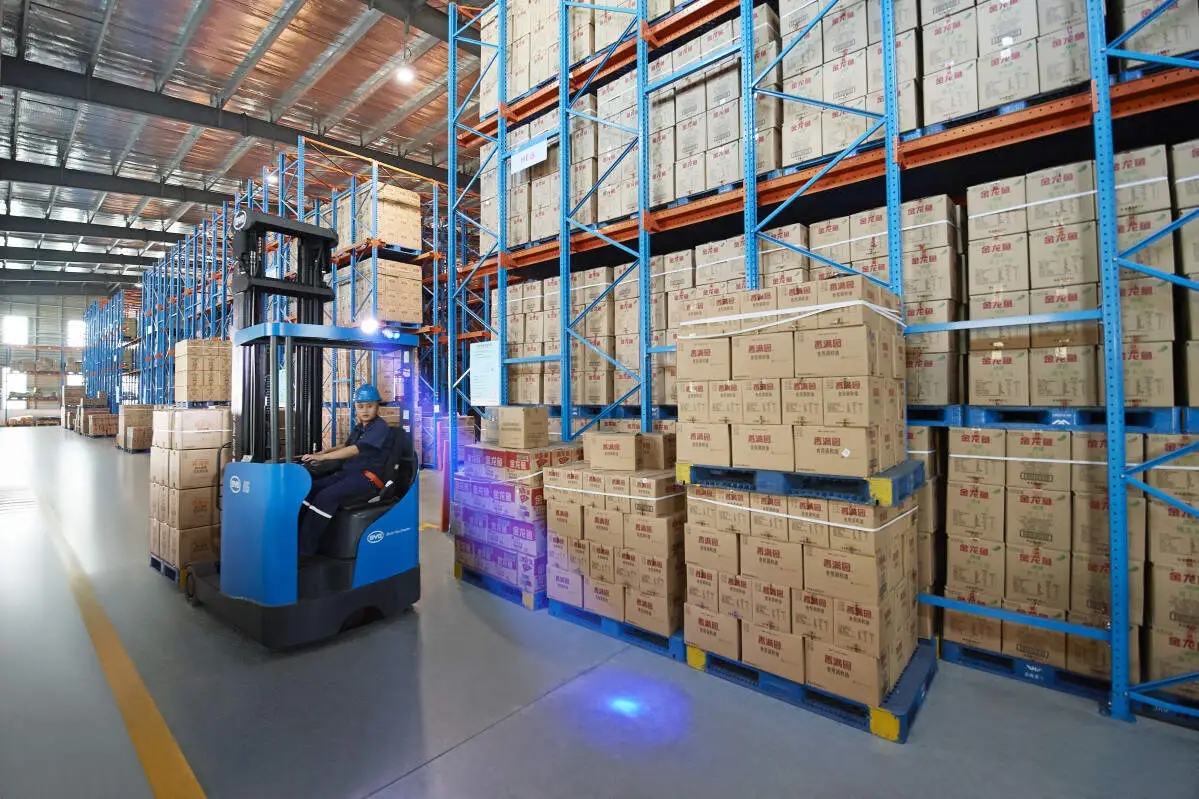
The working environment of outdoor heavy-duty construction sites is complex, the demand for cargo handling is large and the working conditions are severe. As the core handling equipment, the selection of forklifts directly affects the operation efficiency and cost. Internal combustion forklifts and lithium-battery electric forklifts are two types of equipment commonly used in current construction sites, and there are obvious differences between the two in many dimensions.
Power and battery life differences
Outdoor heavy-duty construction sites often require long-term continuous operation. Internal combustion forklifts rely on fuel to drive, and the refueling process only takes a few minutes, which can quickly restore battery life, which is suitable for scenarios that require uninterrupted operation. However, fuel consumption is greatly affected by load and road conditions, and battery life stability will fluctuate with oil quality. Lithium-electric forklifts rely on battery power, and a single charge can meet the needs of heavy-duty operation for several hours. The battery life performance is relatively stable, but the charging time is long. If the construction site does not have supporting fast charging facilities, it may affect the rhythm of operation, and the battery life will be slightly attenuated in low temperature environments.
Differences in environmental adaptability
Outdoor heavy-duty construction sites are prone to sand, dust, high temperatures and other complex working conditions. The mechanical structure of internal combustion forklifts is more suitable for such environments. Sand and dust have less impact on their power system, and they can maintain stable output in high-temperature environments. However, internal combustion forklifts generate exhaust emissions during operation, which may be limited in construction sites with high environmental protection requirements. Lithium-electric forklifts have no exhaust emissions and meet the environmental protection standards of green construction sites, but batteries and electronic control systems have high requirements for dust protection. Equipment needs to be cleaned regularly to avoid dust intrusion affecting service life. In high-temperature environments, attention should be paid to battery heat dissipation to prevent performance degradation.
Operational cost variance
The daily maintenance of internal combustion forklifts includes oil replacement, filter cleaning, engine maintenance, etc., and the fuel cost changes with the fluctuation of oil prices, so the long-term operation and maintenance expenditure is relatively high. The maintenance link of lithium-ion electric forklifts is simpler, mainly focusing on the regular inspection and maintenance of batteries, without frequent replacement of oil and filter elements, and the electricity cost is relatively stable. In the long run, the advantages of operation and maintenance costs will gradually become apparent.
Operating experience difference
Internal combustion forklifts have a lot of noise and vibration during operation, and long-term operation can easily lead to driver fatigue, which has a great impact on work comfort. Lithium battery electric forklifts are quiet and vibration-free during operation, and have better operation smoothness, which can effectively reduce driver fatigue and improve work experience, especially suitable for long-term continuous operation scenarios.
In summary, when selecting a forklift at an outdoor heavy-duty construction site, it is necessary to consider the actual needs such as operating hours, environmental protection requirements, and operation and maintenance budgets in order to select the appropriate equipment.


