
 简体中文
简体中文 繁体中文
繁体中文 Deutsch
 日本語
日本語 한국어
한국어 Tiếng Việt
 Русский
 ไทย
ไทย Bahasa Indonesia
 Bahasa Melayu
 Filipino
 لالعربية
 Français

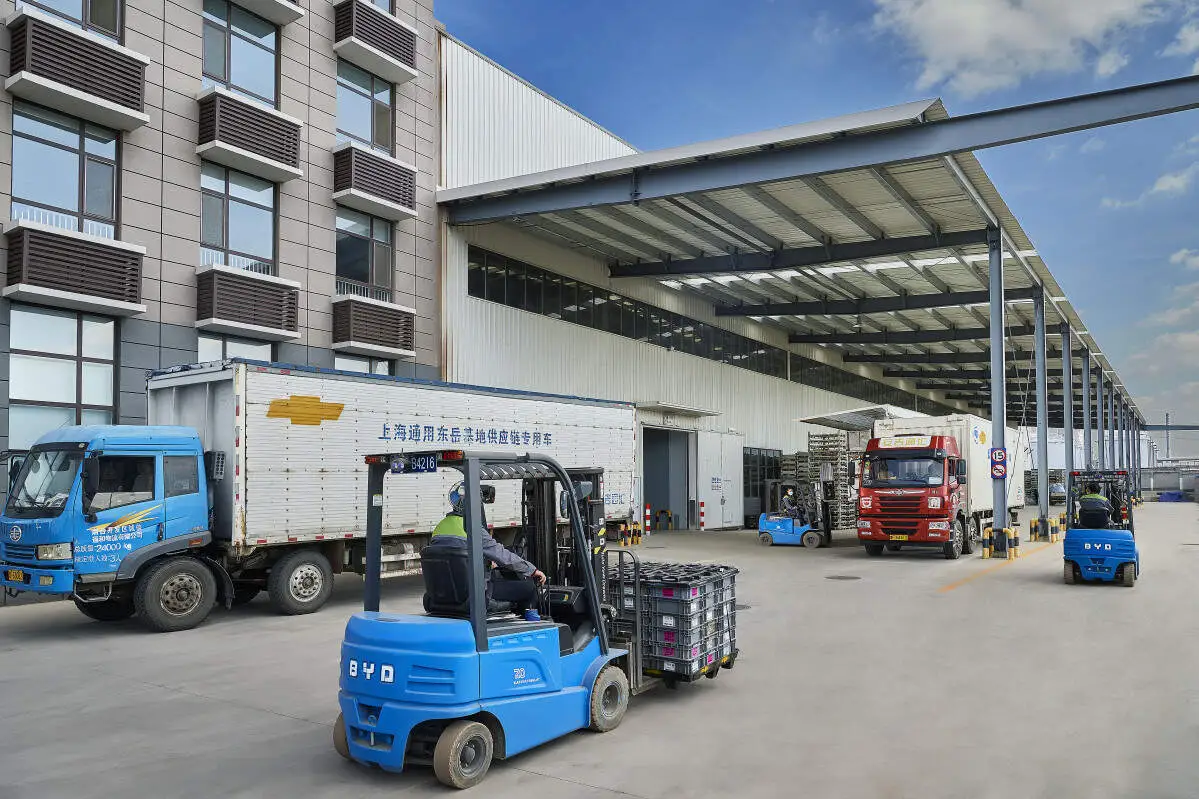
Food dust-free workshops have extremely high requirements for the cleanliness and environmental protection of the operating environment. With their own characteristics, 5-ton lithium-ion forklifts are gradually playing an important role in the material handling of such scenarios.
First look at the environmental advantages of exhaust emissions. Traditional internal combustion forklifts generate harmful gases such as carbon monoxide and nitrogen oxides when they are in operation, and they will also be accompanied by particulate matter emissions. Once these pollutants enter the food dust-free workshop, they will directly pollute the production raw materials, packaging materials and finished products, which do not meet the hygiene standards of food production. The 5-ton lithium-ion forklift uses lithium batteries as the power source, and has completely zero exhaust emissions during operation, which can effectively avoid the damage of harmful gases and particulate matter to the workshop environment and ensure the cleanliness and safety of food production.
The second is noise pollution control. Food dust-free workshops are often equipped with sophisticated production equipment. Excessive noise may affect the stability of the equipment, and it will also have adverse effects on the physical and mental health of the operator. The motor of a 5-ton lithium-ion forklift has low operating noise and no internal combustion forklift engine roar, which can effectively reduce the overall noise level in the workshop and create a more comfortable and stable production environment.
Another is the environmental benefits brought by cleaning and maintenance. Traditional internal combustion forklifts need to be replaced regularly with oil, filter elements and other accessories. During the replacement process, oil leakage is prone to occur, which not only makes it difficult to clean up, but also may pollute the workshop floor and surrounding environment. The structure of the 5-ton lithium electric forklift is relatively simple, and the daily maintenance mainly focuses on battery status inspection, circuit cleaning, etc., which basically does not produce oil pollution, which can reduce the consumption of cleaning resources and reduce the risk of secondary pollution to the environment.
Finally, lithium batteries have a long service life and can be recycled, in line with the concept of circular economy. Compared with traditional lead-acid batteries, lithium batteries can be charged and discharged more times, which can reduce the frequency of battery replacement to a certain extent and reduce the amount of solid waste generated. At the same time, the recycling technology of lithium batteries is relatively mature, and most of the materials can be recycled and reused, reducing the consumption of natural resources.
Selecting a 5-ton lithium-ion forklift for material handling in a food dust-free workshop can achieve environmentally friendly operations in many ways, while also meeting the cleanliness and production efficiency requirements of the workshop. It is an ideal choice for handling equipment.


