
 简体中文
简体中文 繁体中文
繁体中文 Deutsch
 日本語
日本語 한국어
한국어 Tiếng Việt
 Русский
 ไทย
ไทย Bahasa Indonesia
 Bahasa Melayu
 Filipino
 لالعربية
 Français

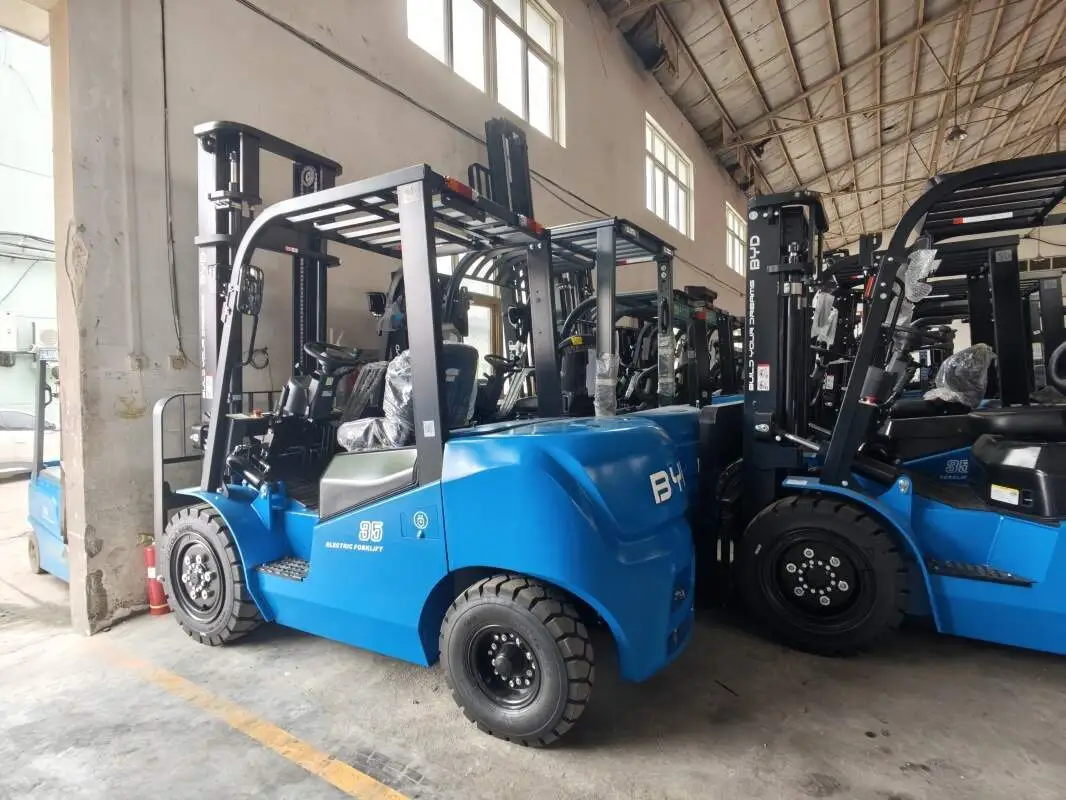
The three-dimensional warehouse of the food processing plant undertakes core storage tasks such as temporary storage of raw materials and turnover of finished products. Its operation scenarios have the characteristics of low temperature, high cleanliness, and compact space, and there are strict standards for the suitability of handling equipment. With its targeted design, the BYD RTR20i lithium battery three-way stacker shows practical performance in such scenarios that meets the needs.
The Core Demand for Handling of Three-dimensional Storage in Food Processing Plants
Stringent operating environment requirements
The three-dimensional storage of food factories mostly involves the storage of fresh and finished food, which requires high environmental cleanliness. At the same time, the temperature of some cold storage areas is low, and the handling equipment needs to have the characteristics of no exhaust emissions and low temperature resistance to avoid contamination of food or performance degradation due to low temperature.
Compact space utilization requirements
The three-dimensional warehouse increases storage density through high-rise shelves, and the passageway is often narrow. Conventional handling equipment is difficult to complete efficient stacking and pickup operations in the narrow passageway, requiring equipment with flexible steering and precise positioning capabilities.
Stable operating efficiency requirements
The fast pace of warehousing turnover in the food production process requires continuous and stable operation of handling equipment to reduce the interruption of operations due to equipment failure or maintenance, and ensure the smooth connection of the production process.
Analysis of Adaptation Characteristics of BYD RTR20i Lithium Battery Three-way Stacker
Lithium battery system adapts to food factory hygiene and environmental requirements
The stacker uses a lithium battery power system, which has no exhaust emissions during operation, does not cause pollution to the food storage environment, and meets the hygiene standards of the food processing industry. At the same time, the lithium battery system has good low temperature adaptability, and can still maintain stable battery life and power output in the cold storage environment, reducing the impact of low temperature on operations. In addition, the maintenance process of lithium battery equipment is relatively simple, and there is no need to frequently change fuel or deal with exhaust-related components, which reduces the workload and cost of daily maintenance.
Three-way stacking design adapts to three-dimensional warehouse space layout
The three-way stacking device installed on it can realize the lateral access of goods in a narrow channel, and can complete the operation on both sides of the shelf without major steering, effectively adapting to the narrow channel layout of the three-dimensional library. This design can make full use of the storage space of the high-rise shelves, improve the storage utilization rate of the three-dimensional library, and reduce the operating space requirements of the equipment in the channel, further optimizing the use efficiency of the storage space.
Operating performance is suitable for food warehousing operation process
The stacker is equipped with a precise positioning system, which can quickly align the shelf space, improve the operation accuracy of picking up and stacking, and avoid damage to the goods or delays caused by positioning deviations. In addition, the equipment is flexible, and the operator can quickly get started. It is suitable for the handling needs of multiple batches and small batches in the warehousing process of food factories, ensuring the efficiency of goods turnover.
Overall, the BYD RTR20i lithium battery three-way stacker matches the handling requirements of the three-dimensional warehouse of the food processing plant from multiple dimensions such as environmental adaptation, space utilization, and operation process, providing reliable support for the efficient and stable operation of the food storage process.


