
 简体中文
简体中文 繁体中文
繁体中文 Deutsch
 日本語
日本語 한국어
한국어 Tiếng Việt
 Русский
 ไทย
ไทย Bahasa Indonesia
 Bahasa Melayu
 Filipino
 لالعربية
 Français

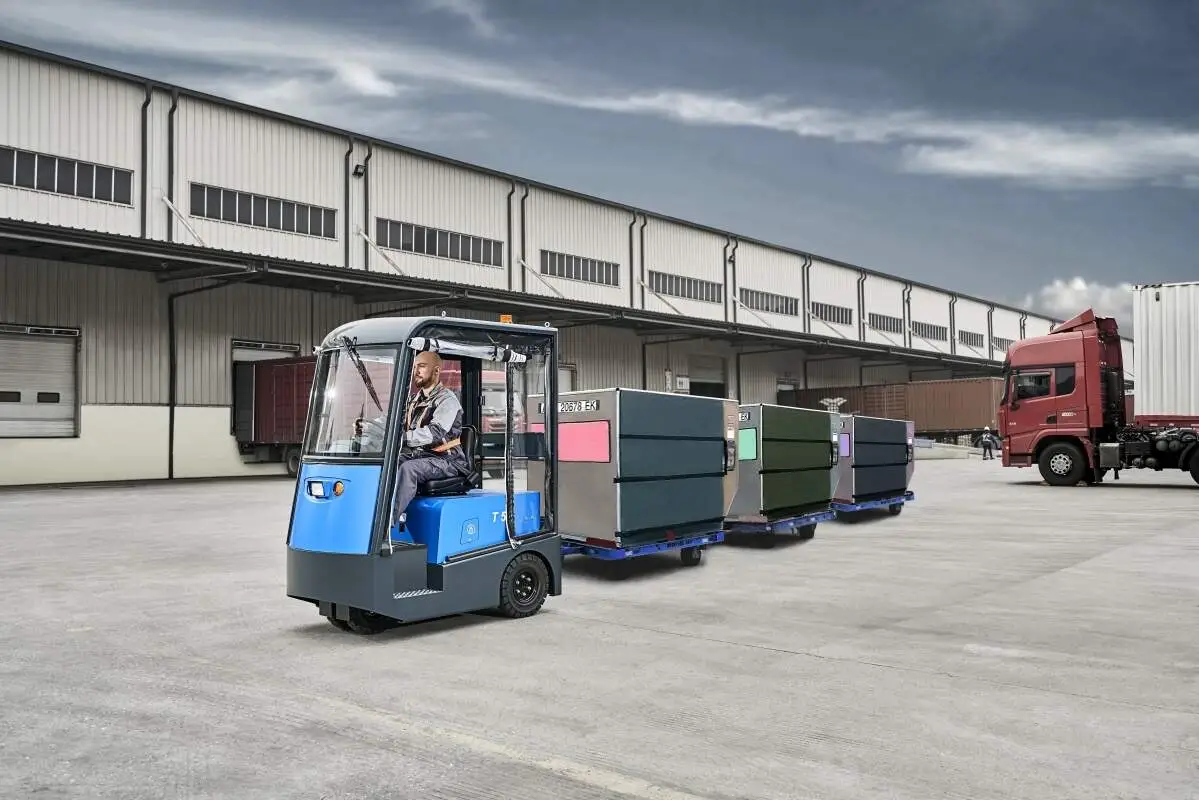
Electric forklifts are currently commonly used material handling equipment in warehousing, logistics, manufacturing, and other scenarios. Lithium batteries are its core power source. Proper daily maintenance and regular maintenance cycle arrangements can effectively extend battery life, reduce the risk of equipment failure, and ensure the stability of operations.
The daily basic inspection is the first step in the maintenance of the lithium battery of the electric forklift. It is recommended to divide it into two periods before use on duty and after receiving the car. Before use on duty, first observe the power display to ensure that the remaining power can meet the needs of the day or on duty before starting. Avoid forced shutdown due to power exhaustion halfway through. Long-term power loss operation will damage the battery active material. Secondly, check the appearance of the battery shell and connection, whether there are abnormal conditions such as bulging, leakage, cracking, etc. Once found, stop using it immediately and contact a professional to deal with it. Then check whether there is any debris blockage in the ventilation heat dissipation port. Timely cleaning can ensure that the battery dissipates heat normally during operation and avoid high temperature affecting performance. Finally, gently pull the connection cable between the battery and the car body to confirm that the interface is firm and not loose, and the metal touchpoint has no oxidation and blackening phenomenon. If there is slight oxidation, you can wipe it with a dry soft cloth. After receiving the car, park the electric forklift in a ventilated and dry area away from flammable and explosive items to avoid sun exposure or rain. When charging, choose a charging device that meets the rated voltage and current specifications of the battery. It can be charged at any time every day. There is no need to deliberately wait for the power to run out. Disconnect the power supply in time after it is fully charged to avoid overcharging.
Regular in-depth maintenance can further troubleshoot potential problems with the battery and improve the battery's service status. It is recommended to perform an operation once a month, mainly including deep cleaning of the cable interface and metal touchpoint, wiping with a dry dust-free soft cloth or a special anti-static cleaning tool, do not use wet rags, alcohol or other corrosive liquids, and can do a complete charge and discharge calibration. Daily charging is mainly on-the-go. The purpose of calibration is to make the power display more accurate. Before calibration, use the battery power to a reasonable low power range, and then fill it up until it stops automatically. You can check the connection inside the battery pack every quarter to observe whether any parts are loose. Just tighten it lightly. Do a good job of insulation protection during operation. For the first half of the year, it is recommended to contact a professional with relevant qualifications to test the core parameters such as internal resistance and voltage consistency of the battery, and adjust or replace the single battery with reduced performance in a timely manner.
In addition, we should also pay attention to some common mistakes, such as long-term full power or power loss storage. If the device is not used for more than half a month, the battery should be charged to 40% to 60%, and then replenished to the same range once a month. The storage environment should also be ventilated and dry, and the temperature should be controlled within the generally applicable range.


