
 简体中文
简体中文 繁体中文
繁体中文 Deutsch
 日本語
日本語 한국어
한국어 Tiếng Việt
 Русский
 ไทย
ไทย Bahasa Indonesia
 Bahasa Melayu
 Filipino
 لالعربية
 Français

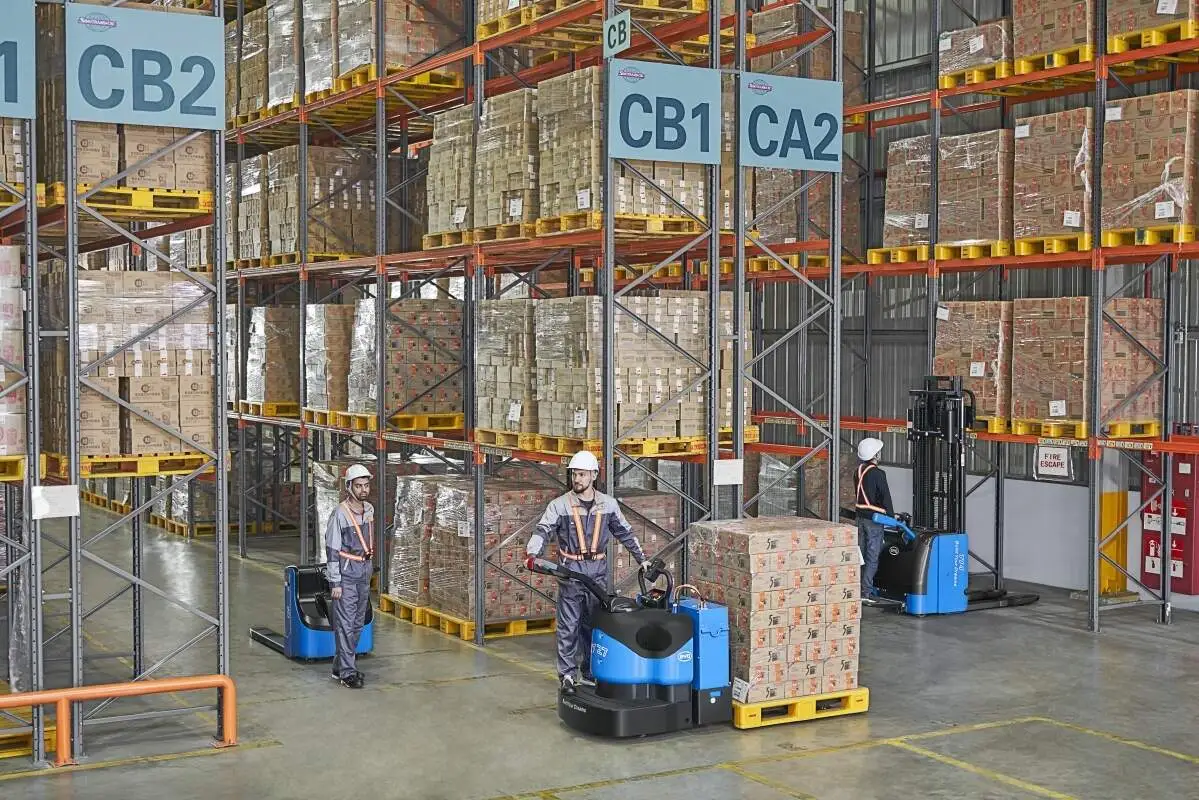
In the field of heavy-duty lithium-ion traction equipment, accurately grasping the original parameters of the equipment is crucial for daily use, operation and maintenance, and model selection. Today, we will share the original information of BYD Q250L's heavy-duty lithium-ion traction equipment, and provide practical reference for practitioners.
Original analysis of BYD Q250L self-weight parameters
Original calibration standard for self-weight parameters
According to the official information of the original factory, the self-weight of the BYD Q250L in the standard configuration state is 12.8 tons. This value covers the weight of the main structure of the equipment, the lithium battery powertrain, the traction cgroup parts and other core modules. It is the calibration result after many tests and verifications in the equipment design stage to ensure the accuracy and reference value of the data. When the original factory calibrates the self-weight, it strictly follows the industry test specifications and excludes the impact of additional accessories on the weight, providing users with the most basic parameter benchmark.
The influence of self-weight parameters on the use of equipment
The weight parameters of the equipment are directly related to the stability and load-bearing capacity of the traction operation. The appropriate weight can ensure that the equipment maintains the balance of the body when pulling heavy loads, avoids the risk of slipping or overturning, and also provides basic support for the braking performance of the equipment. The original calibrated weight value is an important reference for users to formulate work plans and plan site load-bearing, which helps users to arrange the work process reasonably and ensure the safety of the work.
Original interpretation of BYD Q250L traction parameters
Original Definition and Values of Traction Parameters
The traction parameters of the equipment are clearly defined in the original factory data, and the traction here refers to the maximum continuous traction capacity that the equipment can provide under standard working conditions. According to official data, the maximum traction force of the BYD Q250L is 25 tons. This value is tested under standard working conditions with a flat hardened road surface and an ambient temperature of about 25 ° C. It meets the industry's common test standards to ensure the objectivity and comparability of parameters.
Applicable scenario hints for traction parameters
The original factory data also pointed out that the traction performance in actual operation will be affected by road conditions, ambient temperature, load status and other factors. When the working site has a slope, the road surface is slippery or the load exceeds the standard range, the actual output of traction will change. When using the equipment, users should combine the original parameter prompts to reasonably plan the operation scene, avoid working under conditions beyond the performance range of the equipment, and ensure the safety and efficiency of the operation.
The above information on the weight and traction of the BYD Q250L is from the official documents of the original factory, providing a reliable parameter reference for practitioners. Accurately understanding these original parameters will help users better operate the equipment, plan the operation process, prolong the service life of the equipment, and improve the overall operation efficiency.


