
 简体中文
简体中文 繁体中文
繁体中文 Deutsch
 日本語
日本語 한국어
한국어 Tiếng Việt
 Русский
 ไทย
ไทย Bahasa Indonesia
 Bahasa Melayu
 Filipino
 لالعربية
 Français
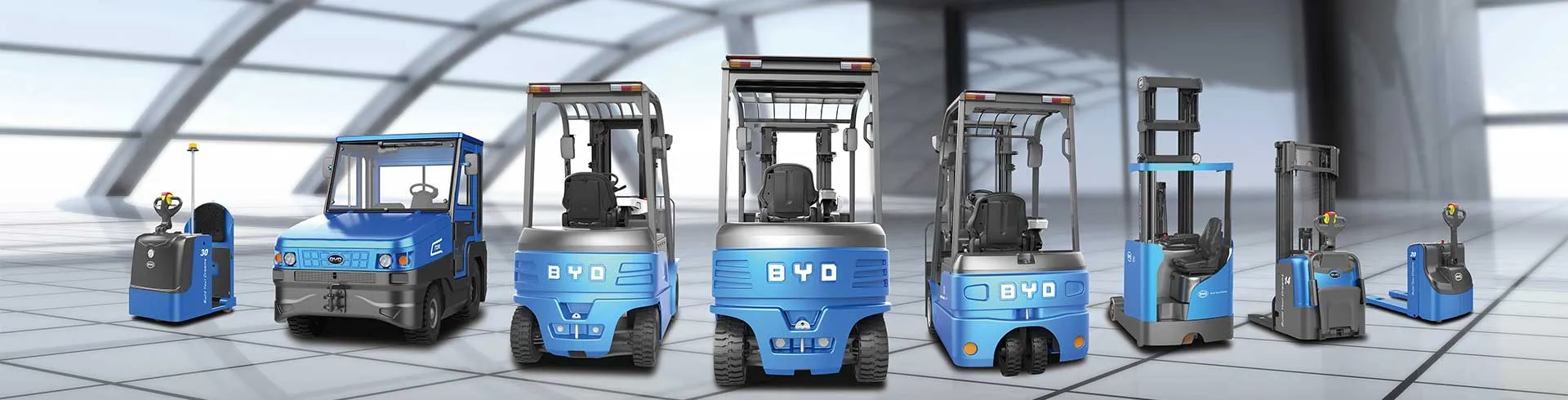
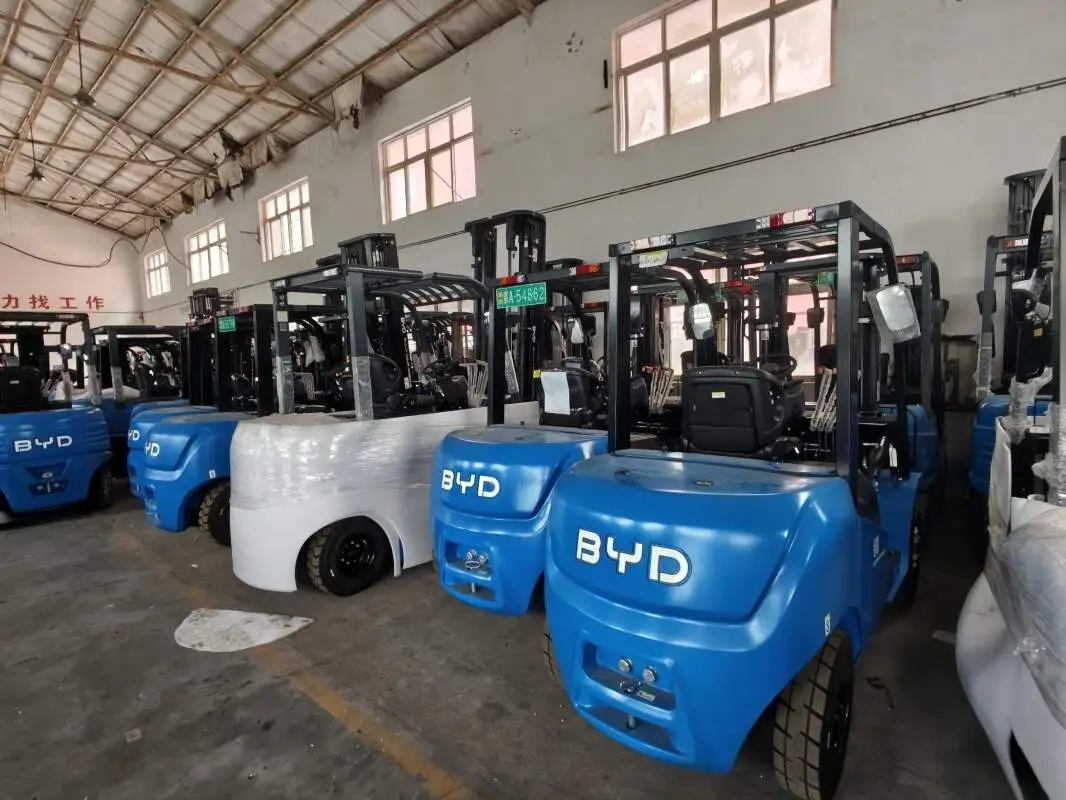
Analysis of climbing ability
Power configuration and output
The Q30TJS station drive tractor is equipped with a suitable power system for the hill climbing scene, which can provide stable power output under load conditions. The torque output characteristics of its power unit can match the driving needs of different gradients, and in the common factory ramp environment, it can maintain a stable driving state to avoid power interruption or stuck conditions. At the same time, the response speed of the power system has been adjusted to quickly output power when starting to climb, helping the vehicle start smoothly and meet the transportation needs of different slope sections in the factory.
Chassis alignment and grip
The chassis of this tractor has been specially adjusted, and the suspension structure has a high matching degree with the body, which can maintain the stability of the body during the climbing process and reduce the risk of rolling. The tire pattern design is suitable for the factory road surface, which can provide sufficient grip, and can also reduce the possibility of slipping on slippery or slightly worn ramps. In addition, the center of gravity of the chassis is reasonably arranged, which can avoid the driving instability caused by the shift of the center of gravity when the load climbs, and improve the safety and reliability of the overall climbing.
Introduction to the control structure
Console layout and human-machine design
The operation table of the Q30TJS station driving tractor adopts ergonomic design, and the position layout of various control parts fits the daily operation habits. The driver can easily touch key components such as gear shifting and braking when standing and driving. The grip of the control handle is comfortable, the operation stroke is moderate, and the fatigue of long-term operation is reduced. At the same time, the display area of the operation table is clear, which can intuitively display the driving state parameters of the vehicle, which is convenient for the driver to grasp the vehicle situation at any time and improve the convenience of operation.
Steering and braking systems
The steering system adopts a lightweight design with moderate steering force. When steering in narrow factory passages or ramps, the driving direction can be flexibly adjusted, and the operation difficulty is low. The braking system responds in a timely manner, and the braking force is uniform. When it is necessary to slow down or stop during the climbing process, the braking effect can be quickly realized to ensure driving safety. In addition, the braking system also has a reasonable braking stroke design to avoid the loss of control of the vehicle caused by excessive operation, so that the driver can feel more at ease during operation.


