
 简体中文
简体中文 繁体中文
繁体中文 Deutsch
 日本語
日本語 한국어
한국어 Tiếng Việt
 Русский
 ไทย
ไทย Bahasa Indonesia
 Bahasa Melayu
 Filipino
 لالعربية
 Français

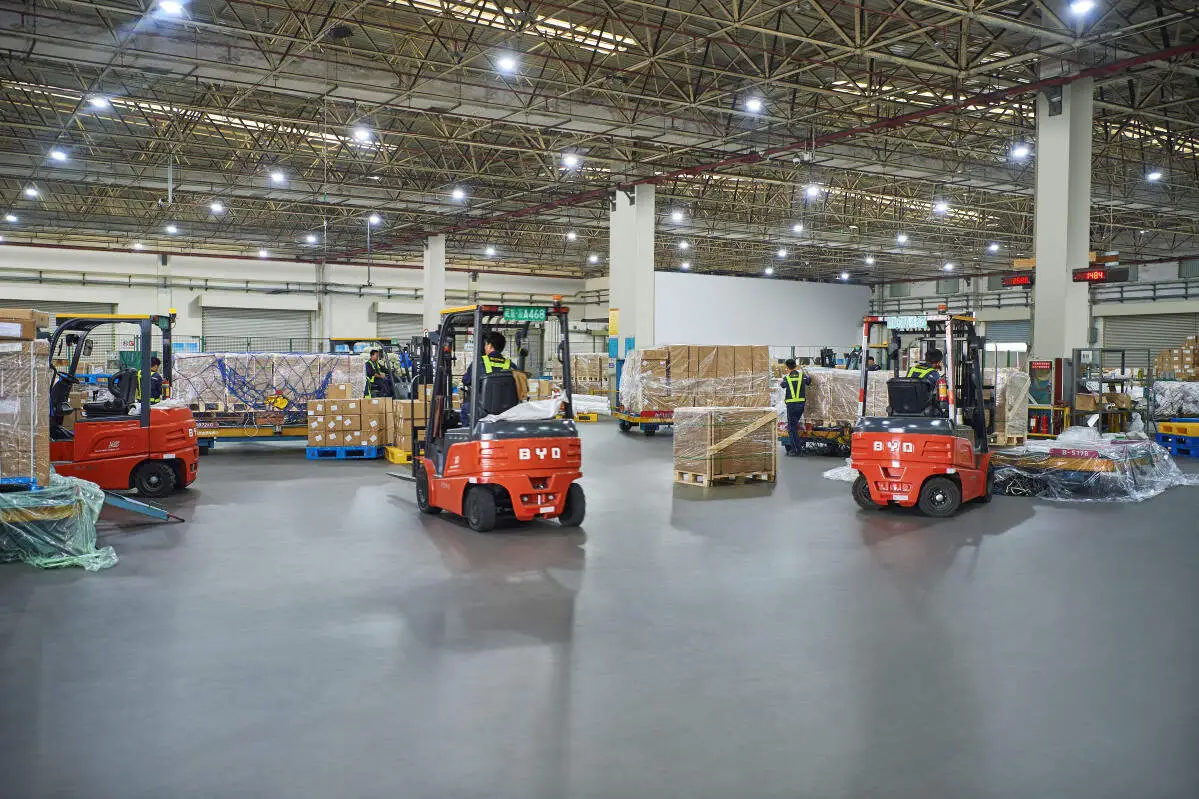
Vehicle size adapts to multiple operation scenarios
Body core size parameters
The body length of the Q20A electric tractor is designed to meet the placement requirements of conventional traction loads, and the width is controlled within the range suitable for narrow passages. It can pass smoothly in the standard passages of most indoor warehouses, and the height meets the clear height requirements of low storage spaces. There is no need to worry about space constraints. The minimum turning radius has been optimized to enable flexible steering in multi-obstacle worksites, reducing blind spots, improving traffic efficiency, and adapting to the space requirements of various operating scenarios such as logistics warehousing, port transshipment, and workshop material handling.
Battery life performance matches daily work rhythm
Condition reference for cruising range
The cruising range is based on the industry-wide measurement of full-load operating conditions at room temperature, which can cover the mileage requirements of most users for 8 hours of routine operation. If the proportion of no-load driving during the operation is high or the ambient temperature is suitable, the cruising performance can be improved. At the same time, it supports fast charging mode, which can be charged in a short time to meet the needs of emergency operations, effectively reducing the waiting time for downtime and ensuring the continuity of operations.
Battery configuration ensures stable operation
Battery core configuration details
The battery is equipped with stable cyclic charging and discharging performance, and the capacity parameters can support the battery life requirements of regular operations. The battery is sealed and protected, which can adapt to the indoor dusty and occasionally humid working environment. It has built-in perfect overcharge, over-discharge, and over-temperature protection mechanisms, which can effectively ensure the safety of the battery and prolong the service life of the battery. The charging interface is suitable for mainstream industrial charging equipment. Users can choose the appropriate charging method according to the site conditions to improve the convenience of replenishment and reduce daily maintenance costs.


