
 简体中文
简体中文 繁体中文
繁体中文 Deutsch
 日本語
日本語 한국어
한국어 Tiếng Việt
 Русский
 ไทย
ไทย Bahasa Indonesia
 Bahasa Melayu
 Filipino
 لالعربية
 Français

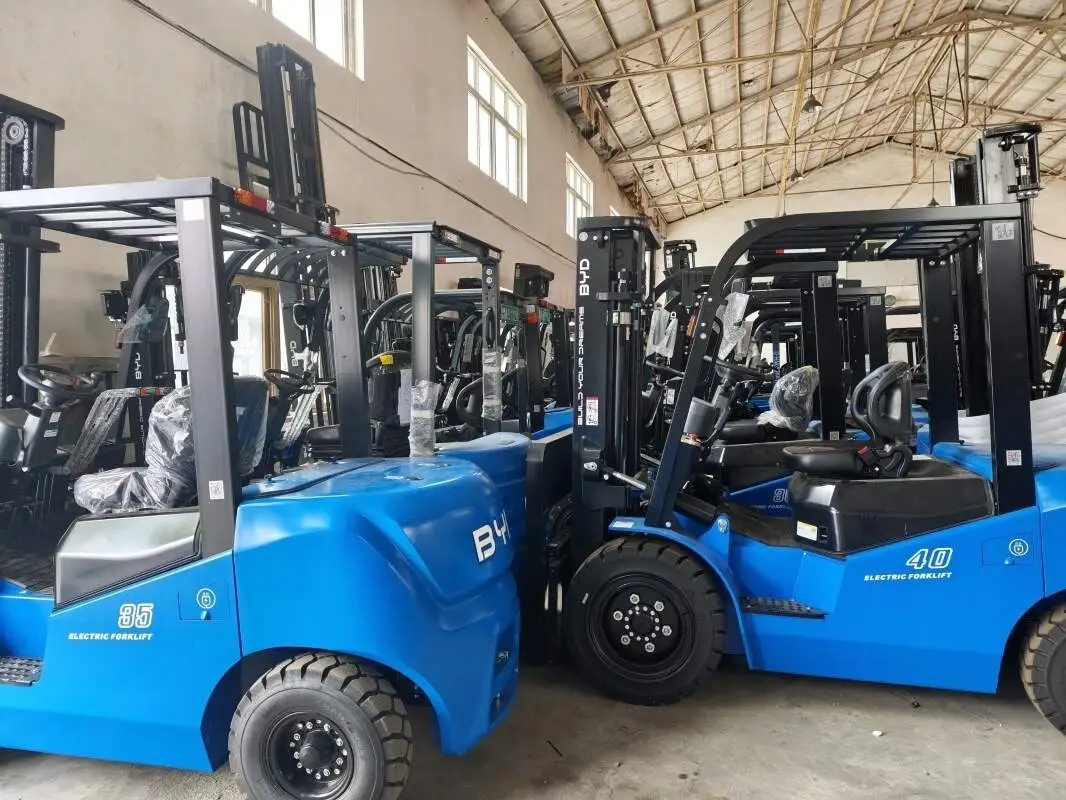
In the daily operation of the warehouse, electric forklifts are the core equipment to improve the handling efficiency, and the choice of tonnage directly affects the operation efficiency and operating costs. Many purchasers are prone to misunderstandings when selecting models, either because the tonnage is too large to waste resources, or because the tonnage is insufficient to meet the needs of the operation. Therefore, it is crucial to master the scientific tonnage selection method.
Determine the basic tonnage based on the weight of daily goods
The weight of the goods handled daily is the core basis for selection. First of all, the weight of the conventional goods in the warehouse should be counted, including the peak weight and the average weight. If the weight of most goods is between 1 ton and 2 tons, a 2-ton electric forklift can be given priority; if heavy goods of 3 tons to 4 tons are often handled, the equipment of the corresponding tonnage needs to be matched. At the same time, a certain margin should be reserved to avoid occasional overweight handling damage to the equipment. Generally, 10% to 20% of the weight space can be reserved, which can ensure the safety of the operation without causing excessive waste.
Adjust the selection according to the warehouse operation scenario
Different warehouse operation scenarios have different requirements for the tonnage of forklifts. For example, flat warehouses are mainly based on horizontal handling, and the tonnage selection can fit the weight of the goods; while three-dimensional warehouses involve high-level stacking operations. In addition to the weight of the goods, the impact of the stacking height on the load-bearing of the forklift should also be considered. The effective load-bearing capacity of the forklift will decrease during high-level operations, so it is necessary to appropriately increase the tonnage grade to ensure the stable operation of the equipment during the stacking process. In addition, forklifts operating in narrow passages must also take into account flexibility while ensuring tonnage, but the tonnage selection is still based on the weight of the goods, and the load
Planning and selection based on long-term operational needs
When purchasing electric forklifts, enterprises should not only look at the current demand, but also consider the business development in the next 1 to 3 years. If the warehouse expects to increase the throughput of goods in the future, or will introduce heavy goods categories, then the selection of large tonnage equipment can be appropriately selected to avoid repeated purchases in the short term and reduce the cost of equipment replacement. At the same time, the versatility of the equipment should also be considered, and the tonnage of multiple types of goods can be adapted to improve the utilization rate of the equipment, so that one equipment can meet a variety of operational needs and further optimize operating costs.
In addition to the above dimensions, purchasers can also consult professional equipment service providers to provide warehouse operation data and needs, and obtain targeted selection suggestions. Through multi-dimensional comprehensive consideration, the tonnage of electric forklifts suitable for warehouse needs can be selected, which not only ensures operation efficiency, but also avoids resource waste, and helps warehouse operations run more smoothly.


