
 简体中文
简体中文 繁体中文
繁体中文 Deutsch
 日本語
日本語 한국어
한국어 Tiếng Việt
 Русский
 ไทย
ไทย Bahasa Indonesia
 Bahasa Melayu
 Filipino
 لالعربية
 Français

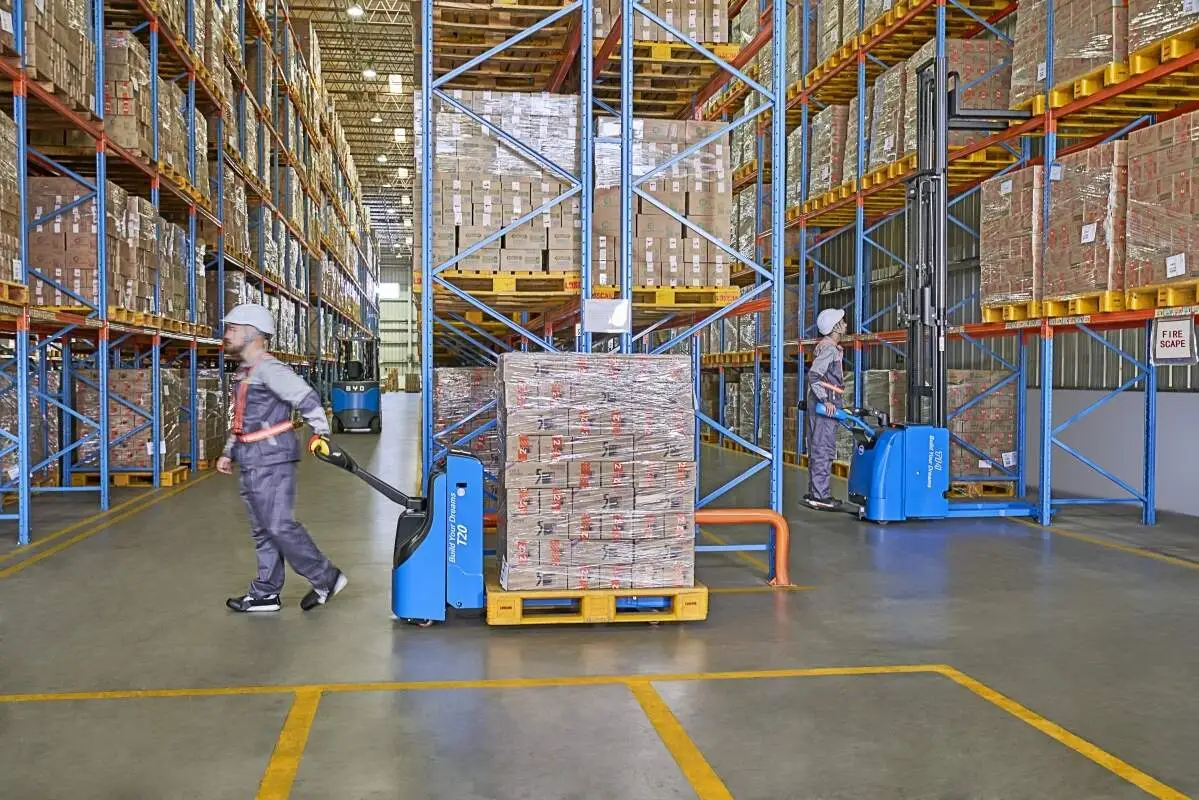
Maintenance details in daily use
Reasonable control of charging and discharging rhythm
In the daily operation of an electric forklift, it is necessary to pay attention to controlling the charging and discharging rhythm of the battery. When the remaining battery power drops to about 20%, charging should be arranged in time to avoid damage to the active substances inside the battery due to excessive discharge; when charging, the balanced charging mode is preferred to avoid using the fast charging function for a long time and reduce the loss of battery cells. At the same time, do not interrupt charging frequently when the battery is not fully charged to ensure the integrity of the charging process.
Avoid extreme operating conditions
Try to avoid allowing the forklift to operate in high-temperature sun exposure or low-temperature and cold environments for a long time. Extreme temperatures will accelerate the internal chemical reaction of the battery and shorten the service life. During the operation, reduce frequent sudden acceleration and sudden braking operations, which will instantly increase the battery load and cause the battery to overheat. When encountering working conditions such as climbing and heavy loading, it should be operated smoothly to avoid damage to the battery caused by continuous high-power discharge.
Precautions for maintenance during storage
Control the storage environment conditions
When the forklift is idle for a long time, the battery should be placed in a cool and dry environment, the ambient temperature should be controlled between 0 ° C and 25 ° C, and the relative humidity should be kept within the range of 40% to 60%. Avoid approaching corrosive items, fire or heat sources. Clean the dust and stains on the surface of the battery before storage to ensure that the surface is dry and clean to prevent dust accumulation from causing short circuits.
Do regular power replenishment maintenance
Charge the battery to about 80% before storage, and then perform a recharge operation every 1-2 months to maintain the power between 50% and 80% to avoid irreversible capacity attenuation of the battery due to long-term power loss. Use slow charging mode when recharging to ensure that the battery cells are charged evenly. Disconnect the charging connection after recharging to avoid overcharging.
Key points of regular inspections
Appearance and connection parts inspection
Check the appearance of the battery once a week to see if there are abnormal conditions such as bulging, leakage, and shell damage. If any problems are found, stop using it immediately and contact a professional to deal with it. At the same time, check whether the battery connection wires and terminals are loose, oxidized or corroded, and clean the oxide at the terminals in time to ensure that the connection is firm.
Battery performance index monitoring
Monitor the battery's voltage, internal resistance and other performance indicators every month, record the data and compare it with the factory standard parameters. If the voltage deviation is found to be too large and the internal resistance is significantly increased, it indicates that the battery may have battery aging or failure, and further inspection and investigation are required. If necessary, perform battery balance maintenance to ensure the overall stability of the battery performance.


