
 简体中文
简体中文 繁体中文
繁体中文 Deutsch
 日本語
日本語 한국어
한국어 Tiếng Việt
 Русский
 ไทย
ไทย Bahasa Indonesia
 Bahasa Melayu
 Filipino
 لالعربية
 Français

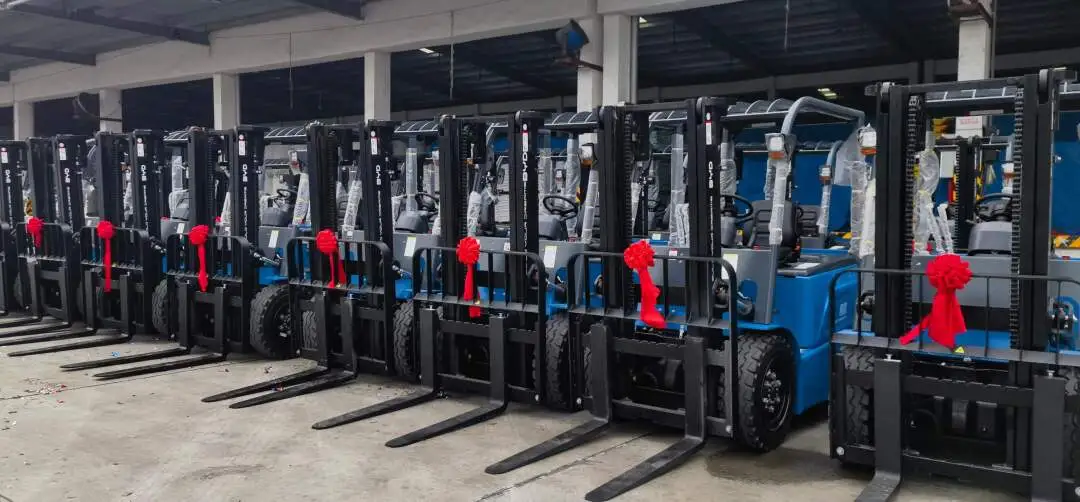
With the development of modern warehousing and precision manufacturing, the application scope of silent dust-free workshops continues to expand, and such environments have strict performance and environmental protection requirements for operating equipment. As the core equipment of indoor warehousing operations, the selection of electric forklifts needs to closely fit the characteristics of silent dust-free workshops in order to ensure operation efficiency and environmental quality.
Special requirements for electric forklifts in quiet and dust-free workshops
Silent and dust-free workshops are mostly used in scenarios such as electronic component production, pharmaceutical product storage, etc. This type of environment requires not only to maintain a low noise level to avoid interfering with precision testing or production processes, but also to strictly control dust to prevent product or environmental pollution. Therefore, electric forklifts must not only meet basic storage and handling needs, but also have the special performance of silent operation and dust-free protection.
Selection core points
Powertrain adaptation
Preference is given to electric forklifts equipped with permanent magnet synchronous motors. This type of motor has low vibration, low noise, and higher energy consumption efficiency during operation, making it suitable for long-term indoor storage operations. At the same time, sealed batteries need to be selected to avoid electrolyte leakage or volatile pollutants, and meet the control standards of dust-free environments.
Mute performance considerations
Pay attention to the noise reduction design details of the forklift, such as the special noise insulation cover to wrap the motor and hydraulic system, the use of low-noise gearboxes and silent tires to reduce friction noise and road vibration noise during operation. The noise level during operation should be controlled within the allowable range of the workshop to avoid affecting the surrounding production or testing work.
Dust-free protection configuration
Select an electric forklift with a closed structure. The core components such as the motor compartment and hydraulic system need to adopt a closed design to prevent the metal debris or dust generated by the wear of the components from spreading to the workshop environment. The surface of the body should be made of smooth and easy-to-clean materials, which is convenient for quick removal of attached dust during daily maintenance and avoids being brought into the clean working area.
Operational flexibility adaptation
The indoor storage space is usually compact, and the channel width of the dust-free workshop may be more limited, so the turning radius of the forklift should be small, and the body size should be adapted to the layout of the workshop. At the same time, the operating handle should be designed to be flexible and lightweight, so that the operator can complete the precise handling operation in a small space and improve the operation efficiency.
Use maintenance reference
In addition to the selection process, daily use and maintenance also need to meet the requirements of a silent and dust-free workshop. Regularly check and replace the parts of the forklift to avoid additional noise or dust due to aging parts; operators need to undergo professional training to standardize the operation process and reduce unnecessary vibration and noise; regularly clean the forklift to ensure the cleanliness of the body and components, and maintain the cleanliness standard of the workshop environment.
Rational selection and standardized use of electric forklifts suitable for silent and dust-free workshops can not only improve the operating efficiency of indoor storage, but also ensure the quiet and dust-free requirements of the workshop environment, providing reliable support for the production and storage of enterprises.


