
 简体中文
简体中文 繁体中文
繁体中文 Deutsch
 日本語
日本語 한국어
한국어 Tiếng Việt
 Русский
 ไทย
ไทย Bahasa Indonesia
 Bahasa Melayu
 Filipino
 لالعربية
 Français

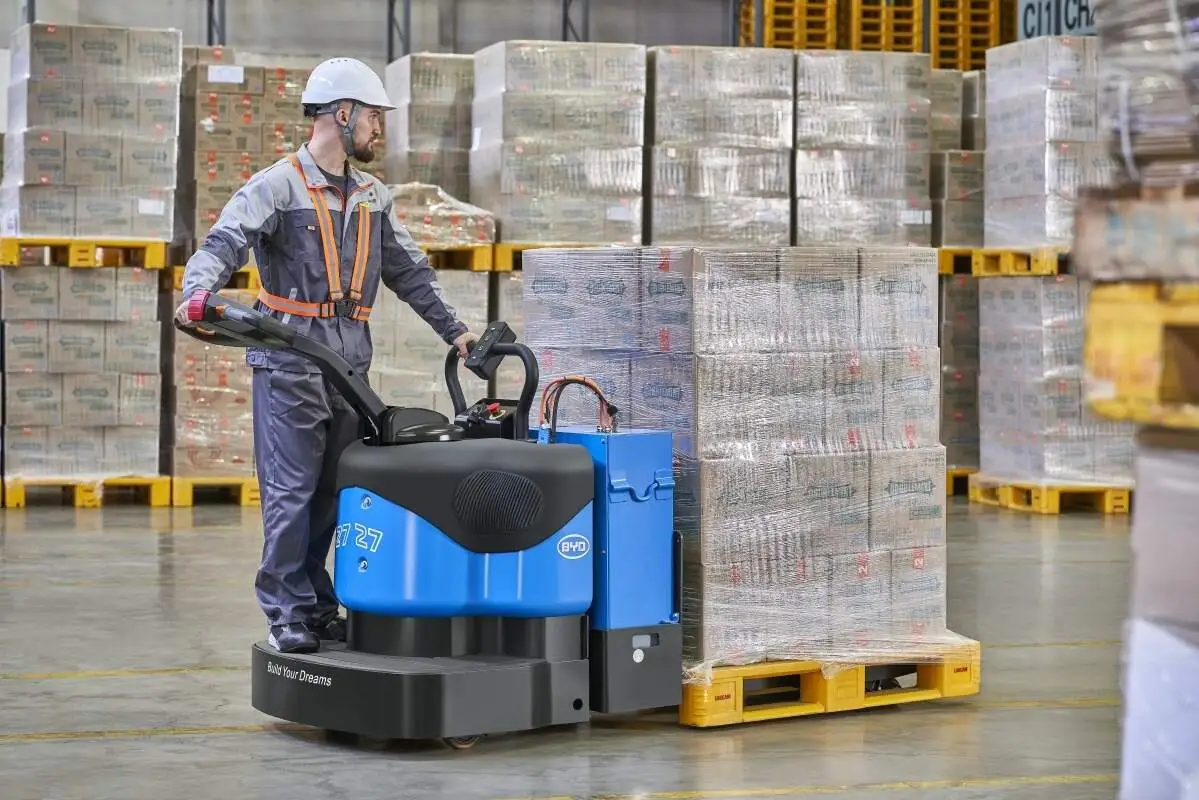
In the daily operation of the factory, electric forklifts often need to take into account indoor storage and handling and outdoor cargo transfer, especially in the face of the dual scenarios of indoor narrow passages and outdoor ramps. Improper selection can easily lead to low operating efficiency and even potential safety hazards. Therefore, it is necessary to combine the core requirements of the two scenarios to select the appropriate electric forklift.
The passages in the indoor storage area are usually narrow, and there are dense shelves and many corners in some areas. The body size and handling flexibility of the electric forklift are the core considerations. First, pay attention to the width of the body and the minimum turning radius. You should choose a model with a compact body and a small turning radius to ensure that it can turn and turn smoothly in the narrow channel to avoid scratching the shelves or goods. Secondly, indoor operations have strict requirements on noise and emissions. You need to choose an electric forklift with low noise and zero emissions to ensure the comfort and environmental protection of the working environment. At the same time, the indoor ground is mostly flat and hardened, and the tire selection should be based on wear-resistant and silent solid tires to reduce ground wear and noise interference.
Outdoor operations often involve ramp transportation, especially loading and unloading platform ramps or outdoor slopes in the factory area. The power performance and braking stability of the electric forklift are the key. First of all, to confirm the climbing ability of the forklift, it is necessary to choose the model corresponding to the climbing performance according to the actual slope of the ramp in the factory area to ensure smooth passage under full load. Secondly, the reliability of the braking system is crucial, and it should be equipped with an efficient braking device, which can provide sufficient braking force when driving and stopping on the ramp to prevent the risk of slipping. In addition, there may be slippery and gravel on the outdoor ground, and the tires need to have good grip to improve driving stability.
In addition to the special project requirements for the two types of scenarios, it is also necessary to consider the power type and battery life. If the operation frequency is high and the battery life demand is large, you can choose a power configuration with a long battery life to reduce the charging waiting time. At the same time, the convenience of daily maintenance cannot be ignored. Choosing a model with a simple structure and easy maintenance can reduce the long-term use cost. In addition, the operator's control experience also needs to be taken into account. The ergonomic control design can improve the operation efficiency and reduce the operation fatigue.


