
 简体中文
简体中文 繁体中文
繁体中文 Deutsch
 日本語
日本語 한국어
한국어 Tiếng Việt
 Русский
 ไทย
ไทย Bahasa Indonesia
 Bahasa Melayu
 Filipino
 لالعربية
 Français

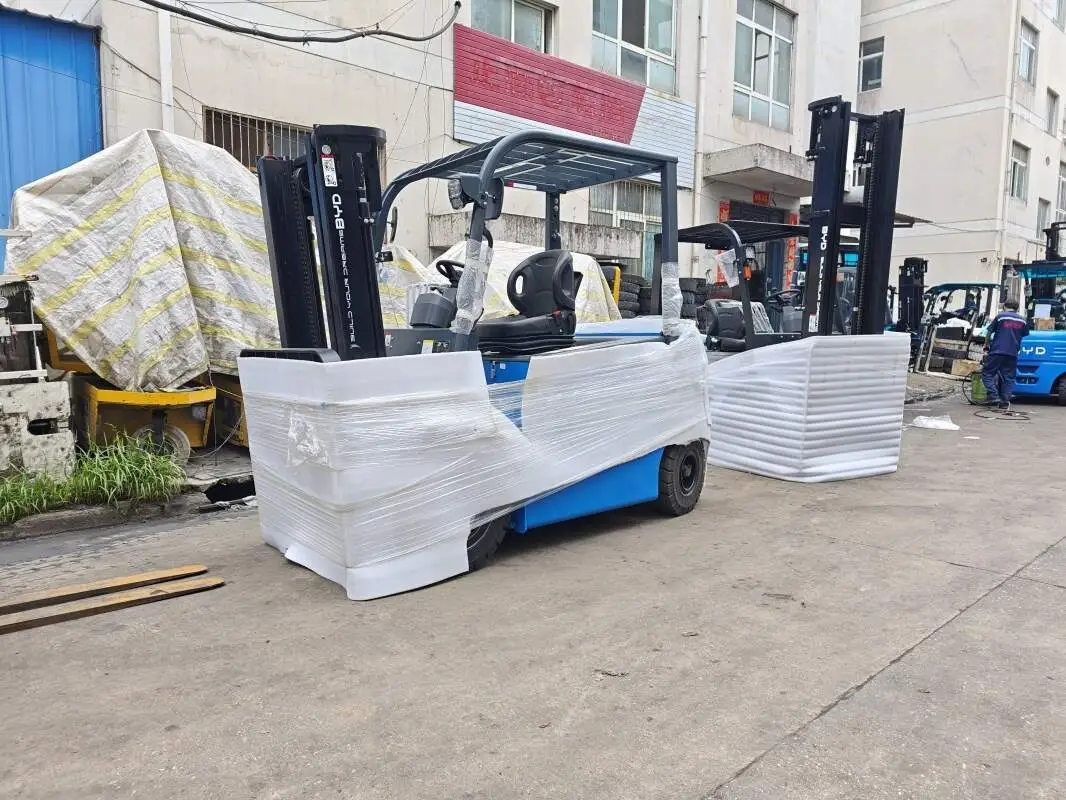
In industrial warehousing and logistics transshipment scenarios, multi-shift continuous operation is a common mode to improve operational efficiency. The battery life of lithium-ion stackers is directly related to the rhythm of operations and operating costs, making it an important consideration for users when selecting models.
The core appeal of battery life under multi-shift operation
Multi-shift operations usually cover the continuous operation mode of two or even three shifts per day. Forklifts need to undertake tasks such as cargo stacking and transshipment for a long time. If the battery life is insufficient, it will lead to frequent power changes or shutdowns, disrupting the established operation process and increasing time cost and manpower consumption. Therefore, adapting to long-term multi-shift use of stable battery life is one of the core requirements for lithium-ion stackers in such scenarios.
Analysis of battery life performance of lithium battery stacker S14JW
Battery configuration and energy consumption optimization design
The S14JW is equipped with a lithium battery system suitable for multi-shift operation requirements, adopts a reasonable battery capacity configuration, and is equipped with an intelligent energy consumption management mechanism. This mechanism can automatically adjust the power output according to the real-time operation intensity, reduce energy consumption output during light load transfer, and ensure power supply during heavy load stacking, effectively reducing unnecessary power consumption and providing basic support for long-term battery life.
Battery life performance in actual multi-shift scenarios
In a conventional warehousing operation environment, the S14JW can maintain a stable battery life level for two shifts a day and 8 hours per shift, without frequent power changes in the middle, and can cover most of the storage and transshipment operation requirements. Even under special working conditions such as low temperature environment or high load continuous operation, its battery life performance can be maintained relatively stable, without significant attenuation, and it is suitable for long-term multi-shift usage scenarios.
The practical value of battery life performance for multi-shift operations
The stable battery life can reduce the waiting time for power replacement, improve the overall operating efficiency, and reduce the operating loss caused by downtime. At the same time, its lithium battery system has the characteristics of adapting to long-term use, which can reduce the frequency of battery replacement, reduce long-term operating costs, and bring a smoother operating experience to users who operate in multiple shifts.


