
 简体中文
简体中文 繁体中文
繁体中文 Deutsch
 日本語
日本語 한국어
한국어 Tiếng Việt
 Русский
 ไทย
ไทย Bahasa Indonesia
 Bahasa Melayu
 Filipino
 لالعربية
 Français

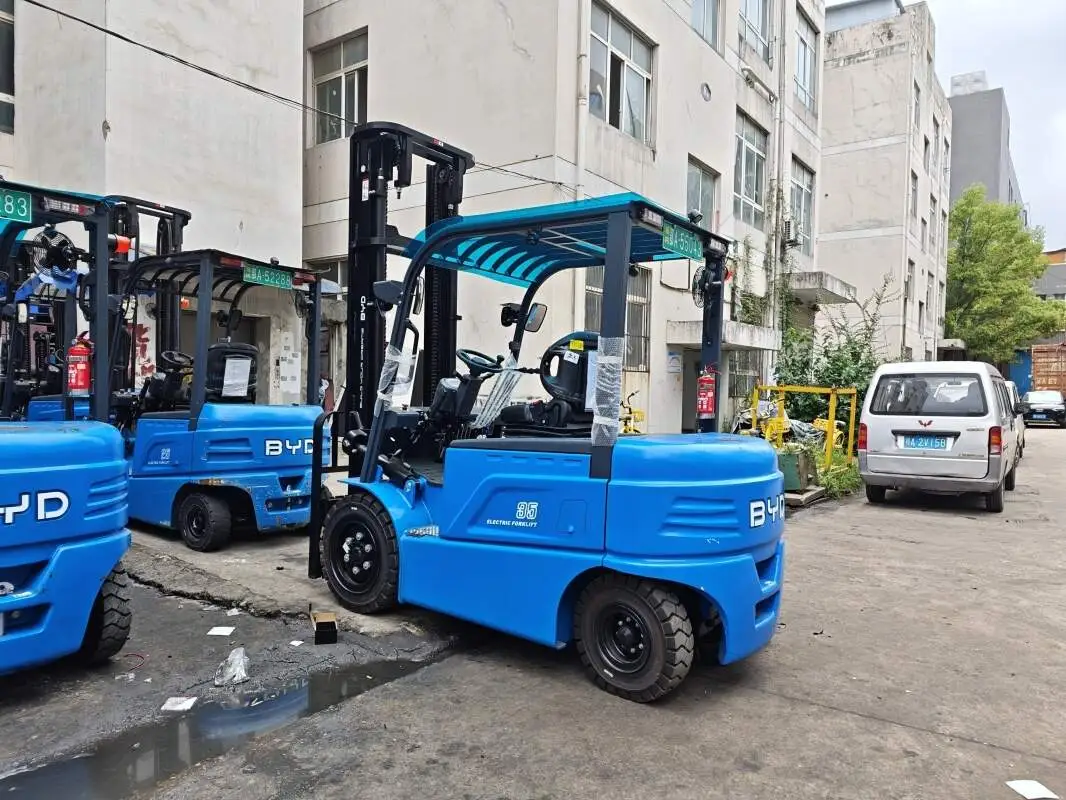
In logistics warehousing, industrial handling and other scenarios, forklifts are indispensable operating equipment. With the improvement of environmental awareness and the improvement of working environment requirements, the noise level and exhaust emission performance of equipment have become important considerations for enterprise selection. This paper analyzes the differences between electric forklifts and fuel forklifts in these two indicators through the comparison of actual measurements.
Noise measurement comparison
Noise performance during operation
During the actual measurement process, under the same working site and handling weight conditions, the roaring noise generated by the fuel forklift due to the operation of the engine is more obvious, and the low-frequency noise caused by mechanical vibration has a greater impact on the surrounding environment and the operator's hearing. Electric forklifts rely on motors, and the noise during operation mainly comes from tire friction and hydraulic system. The overall noise is softer, the high-frequency ratio is higher, and the interference to the on-site personnel is relatively small.
Noise performance at idle speed
When the vehicle is idling and waiting, the engine of the fuel forklift still runs at a low speed, generating stable noise that can be clearly perceived even in a closed space. When the electric forklift is idling, it only maintains the operation of the basic electronic control system, and the noise is almost negligible. It is more suitable for staying in indoor scenes with high quiet requirements.
Measured comparison of exhaust emissions
The accumulation of exhaust gas in indoor operations
After 1 hour of operation of the fuel forklift, the concentration of harmful gases such as carbon monoxide and nitrogen oxides in the space increased significantly. If the ventilation conditions are not good, it is easy to affect the health of the operator. The electric forklift has no exhaust emissions throughout the process, and the indoor air quality will not be changed during the operation. It is suitable for long-term indoor handling operations.
Emission differences from outdoor operations
In open outdoor areas, the exhaust gas of fuel forklifts will naturally spread, but the actual measurement can still detect a certain concentration of pollutant emissions, which may still bring environmental pressure in densely populated factories or urban operation areas. Electric forklifts do not have such problems, and the characteristics of zero emissions make them more in line with the development trend of green operations.
According to the comprehensive measured results, electric forklifts have significant advantages in noise control and exhaust emissions, and are more suitable for indoor and high-demand scenarios; fuel forklifts have their own characteristics in battery life and heavy-load capacity, and are suitable for outdoor long-term heavy-load operations. Enterprises can choose the appropriate forklift type according to the needs of actual operation scenarios.


