
 简体中文
简体中文 繁体中文
繁体中文 Deutsch
 日本語
日本語 한국어
한국어 Tiếng Việt
 Русский
 ไทย
ไทย Bahasa Indonesia
 Bahasa Melayu
 Filipino
 لالعربية
 Français

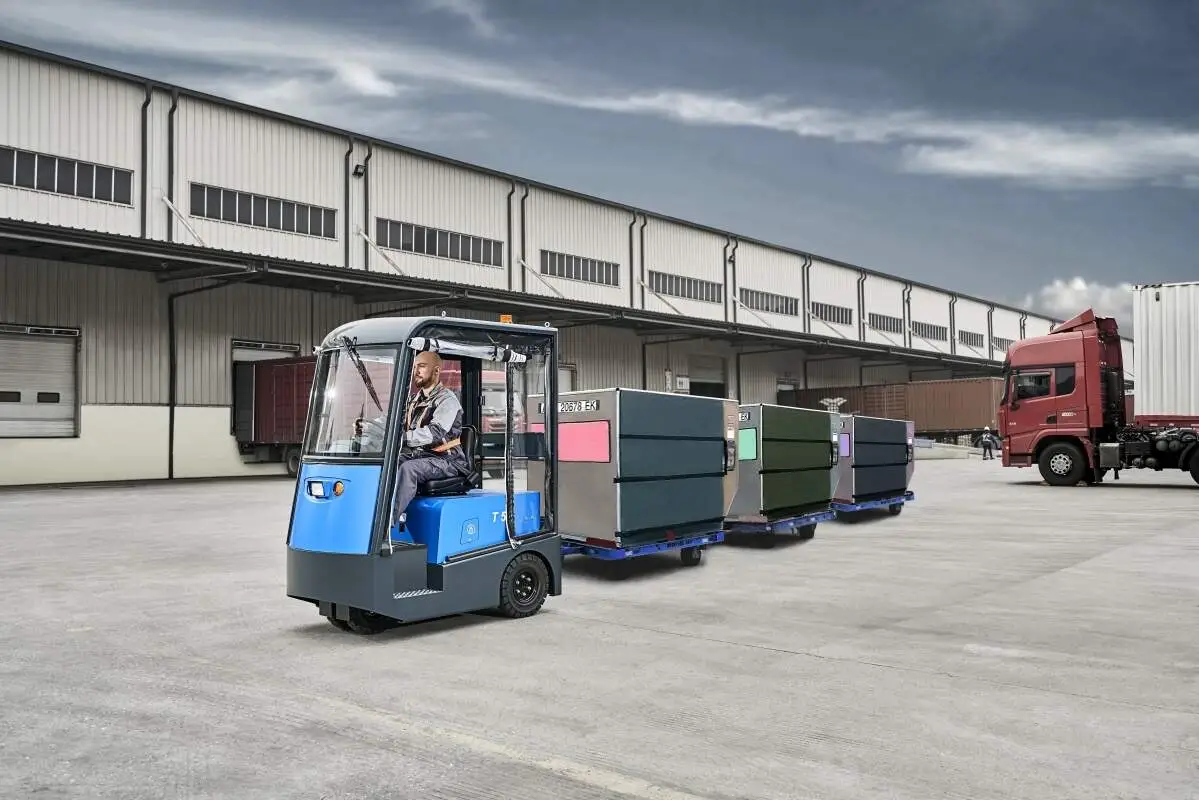
Core Selection Principles for Narrow-aisle Storage Forklifts Adapted to Dense Shelves
The body size matches the channel width
The core feature of the dense shelf operating environment is the compact channel space, so the body size of the forklift needs to be accurately matched with the width of the reserved channel of the shelf. When selecting a model, the actual travel distance between the shelves should be measured first, and the vehicle with a narrower body width and a smaller turning radius should be preferred to avoid scratching between the forklift and the shelves and goods during the operation, so as to ensure the safety of the operation and the integrity of the shelves.
Lifting height and shelf layer adaptation
Different layers of dense shelves correspond to different vertical working heights. When selecting models, the maximum lifting height of the forklift should be determined in combination with the storage height of the highest layer of the shelf and the stacking height of the goods. At the same time, a certain safety margin should be reserved to ensure that the forklift can smoothly complete the access operation when lifting the goods, and avoid the operation being blocked due to insufficient lifting height.
Key details of the selection of narrow aisle storage forklifts
Operational flexibility design
Narrow channel operation requires extremely high operational flexibility of the forklift, and it is necessary to pay attention to whether the model has functions such as in-situ steering and side-shifting fork arms. The in-situ steering function can reduce the steering space requirements of the forklift in the narrow channel, and the side-shifting fork arms can accurately align the cargo space without adjusting the body position, greatly improving the operation efficiency and accuracy.
Precise matching of load capacity
Load capacity is the basic indicator of forklift truck selection, which needs to be determined in combination with the single weight and stacking quantity of daily stored goods. Avoid choosing models with load capacity far exceeding actual needs, resulting in waste of equipment resources; nor can you choose models with insufficient load capacity to avoid safety hazards caused by overload operations.
Energy consumption and maintenance cost control
As an electric storage forklift, energy consumption and maintenance costs are important factors for long-term operation. When selecting a model, you can pay attention to whether the battery life is suitable for daily operating hours, and at the same time understand the replacement frequency of vulnerable parts of the model and the complexity of the maintenance process. Choose a model with stable energy consumption and convenient maintenance to reduce long-term operating costs.


