
 简体中文
简体中文 繁体中文
繁体中文 Deutsch
 日本語
日本語 한국어
한국어 Tiếng Việt
 Русский
 ไทย
ไทย Bahasa Indonesia
 Bahasa Melayu
 Filipino
 لالعربية
 Français

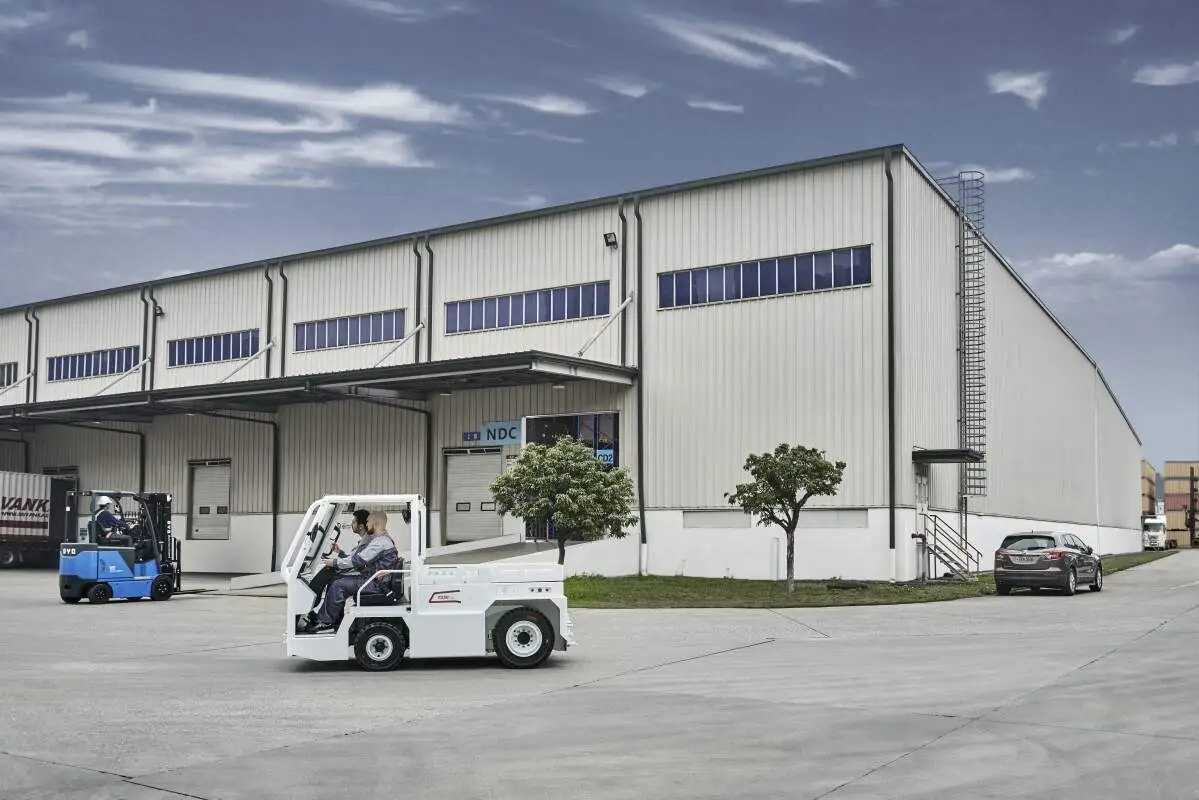
Small factories usually have the characteristics of compact space, high frequency of material handling, and scattered operation areas. Traditional handling tools are difficult to adapt. Small electric stackers are an ideal choice for such scenarios due to their flexible and efficient characteristics. But the selection needs to be combined with actual needs in order to maximize its value.
Identify core job requirements
Match the actual load range
Before selecting a model, it is necessary to count the average weight and peak weight of daily handling materials to determine the load specification of the stacker. If you choose a model with too much load, it will increase the procurement cost and energy consumption; if the load is insufficient, it will not be able to meet the handling needs of special scenarios, and a margin of 10% -15% needs to be set aside to deal with emergencies.
Determine the suitable stack height
According to the maximum storage height of the shelves in the factory building, select the model with the corresponding stacking height range. At the same time, the operating space when the materials are stacked should be considered to avoid the inability to complete the shelving operation due to insufficient stacking height, or the function waste caused by excessive stacking height.
Adapt to small workshop space conditions
Pay attention to body size parameters
The passage of small factories is usually narrow, so it is necessary to choose a stacker with a narrow body width and a small turning radius to ensure smooth passage and steering in the narrow passage, so as to avoid scratching the shelves or being unable to pass. Some models also have a compact design, which can adapt to the transshipment needs of small spaces such as elevators.
Consider job flexibility
In response to the handling requirements of multi-area and multi-station in a small factory, models with in-situ steering function can be selected to reduce the space required for steering, improve the efficiency of operations in narrow areas, and reduce the labor intensity of operators.
Combining daily operation time and battery life
Estimated daily working hours
Estimate the average daily running time of the stacker according to the operating shifts and daily handling tasks of the plant. Regular battery life models can be selected for single-shift operations, and models that support quick power change or fast charging can be given priority for multi-shift operations to avoid affecting the operation progress due to insufficient battery life.
Focus on charging convenience
Small factories often have limited charging facilities. When selecting a model, it is necessary to consider whether the charging interface of the model is suitable for the existing power supply and the charging time required. Some models support household power charging, which can better adapt to the charging conditions of small factories.
Consider the ease of operation and maintenance
Lower the operating threshold
The operator of a small factory may not be a professional forklift driver, so it is necessary to choose a model with a simple operation interface and a flexible handle to reduce training costs, reduce the probability of operation errors, and improve operation safety.
Control maintenance costs
Priority is given to models with simple structure and strong component versatility, which makes daily maintenance and fault repair more convenient, and the procurement cost of accessories is lower. It is suitable for the limited operation and maintenance resources of small factories, reducing unnecessary expenses in later use.
Overall, the selection of small electric stacker trucks needs to focus on the actual scene of a small factory building, considering factors such as load, space, battery life, and operation, in order to select the most suitable model, improve material handling efficiency, and assist in the daily operation of the plant.


