
 简体中文
简体中文 繁体中文
繁体中文 Deutsch
 日本語
日本語 한국어
한국어 Tiếng Việt
 Русский
 ไทย
ไทย Bahasa Indonesia
 Bahasa Melayu
 Filipino
 لالعربية
 Français

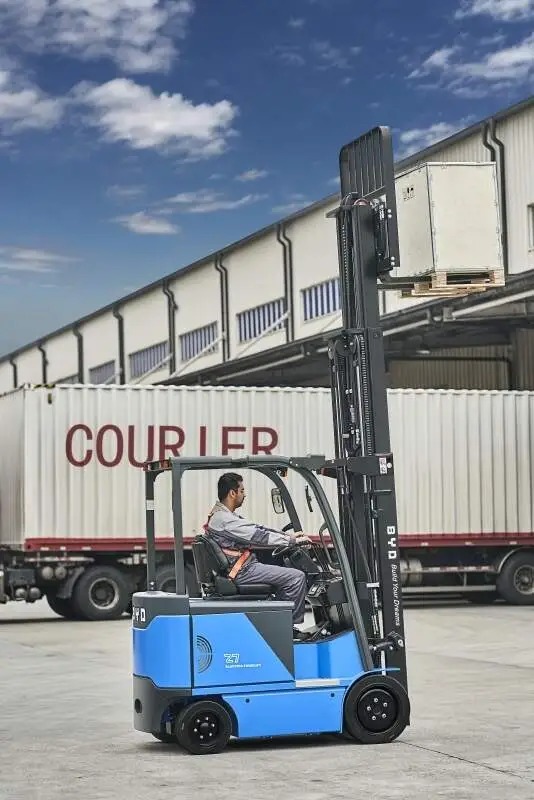
In industries that require frequent and efficient handling, such as logistics, warehousing, and manufacturing, the mainstream new energy lithium-ion forklifts and lead-acid forklifts each present different operating characteristics. A reasonable analysis of the differences between the two can provide a reference for enterprises to choose more adaptable equipment.
The difference between daily operation and charging adaptability is one of the key points that enterprises pay attention to. Lead-acid forklifts usually use a deep charge-discharge cycle mode, which takes a long time to fully charge at a single time. They need to be equipped with an independent ventilated charging area. It is difficult to quickly replenish energy between operations. If there is a power shortage in an emergency order, the entire set of spare batteries needs to be replaced to continue working. The replacement process requires tools, which is time-consuming and labor-intensive. The new energy lithium-ion forklift supports charging at any time, and can be replenished without waiting for full discharge. A single fast charge can meet the needs of a certain period of operation in a relatively short time. It does not require a spare battery and supporting replacement space, nor does it require a strict ventilated charging environment. It can replenish energy in the nearest location such as the warehouse aisle, and
In terms of daily maintenance and maintenance costs. The battery pack of a lead-acid forklift is an open or semi-open structure. It is necessary to regularly check the electrolyte level, add qualified distilled water, and clean the oxide on the electrode surface. There are certain requirements for the cleanliness and temperature of the operating environment. The maintenance frequency is high, and the replacement cost of the entire battery group accounts for a large proportion of the equipment itself. The battery system of a new energy lithium-ion forklift is generally a closed structure, without adding electrolyte or cleaning electrode oxide. The overall maintenance frequency is low. The daily maintenance content is mostly routine appearance inspection, tire inspection and circuit inspection.
Applicable operating scenarios are different. Lead-acid forklifts are more suitable for medium and light operating scenarios with relatively fixed daily operating hours, small single operation volume, and special charging and battery storage space. New energy lithium battery forklifts are more suitable for medium and heavy continuous operating scenarios with large fluctuations in daily operating hours, urgent order replenishment needs, and limited operating space. They can also adapt to some low temperature or humid operating environments.
Enterprises can choose industrial material handling equipment that suits their own needs based on comprehensive considerations such as their own operating hours, space conditions, and budget.


