
 简体中文
简体中文 繁体中文
繁体中文 Deutsch
 日本語
日本語 한국어
한국어 Tiếng Việt
 Русский
 ไทย
ไทย Bahasa Indonesia
 Bahasa Melayu
 Filipino
 لالعربية
 Français

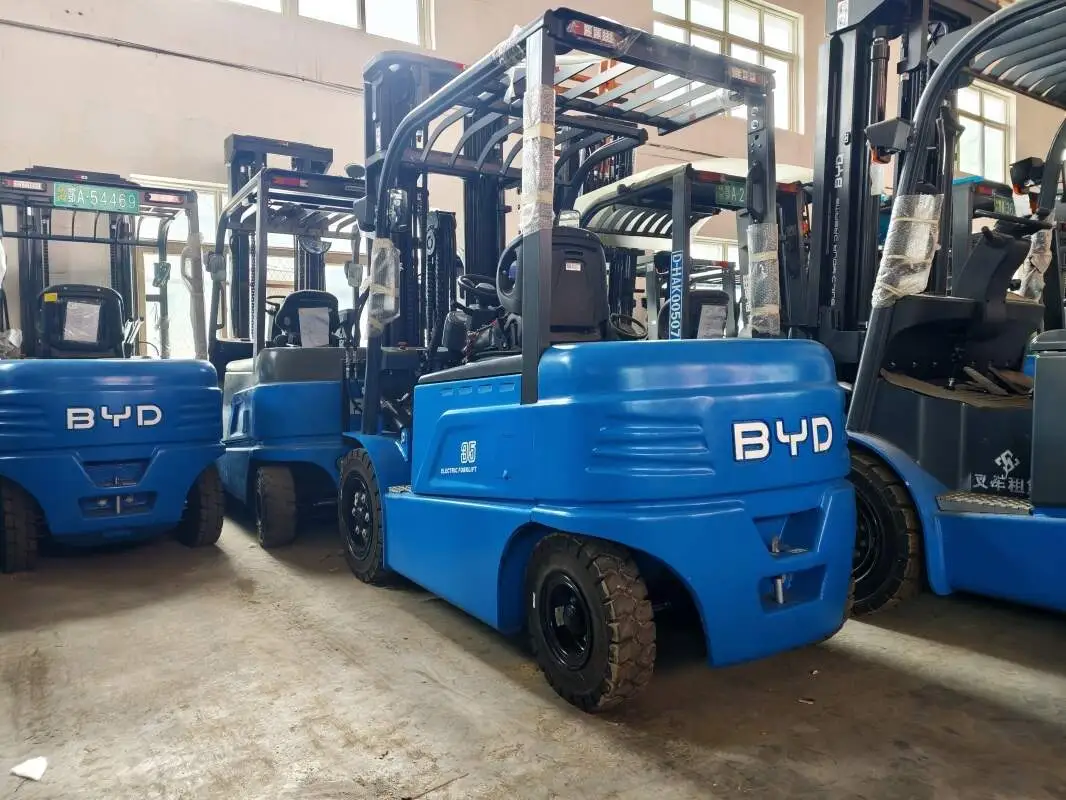
The compliance use of motor vehicles and lithium forklifts in the factory area is the core link to ensure production safety and avoid operational risks. Enterprises need to strictly implement the standard requirements and guide operators to operate according to the regulations.
General specification for motor vehicles in the factory
Check points before work
Before the operator starts the vehicle, it is necessary to fully check whether the braking, steering, lighting and other functions are normal, and check for obstacles, water accumulation and other hidden dangers in the operation area to ensure the safety of the working environment.
Operation specifications
When driving, strictly abide by the speed limit in the factory area, turn around and decelerate in advance, turn on warning lights, and actively avoid pedestrians and equipment. It is strictly forbidden to overload, speed, and stop or reverse on ramps to maintain smooth operation.
After-work parking management
After the operation, park the vehicle in the designated area, pull the handbrake, turn off the power supply, and organize the accessory devices. When the vehicle malfunctions, report and place warning signs in time to avoid misoperation.
Lithium forklift compliance rules
Daily use operation points
Lithium-ion forklifts start slowly and accelerate to avoid sudden braking, handling goods needs to be tied firmly, and special personnel command when the line of sight is blocked; it is strictly forbidden to use forklifts to lift personnel to work at heights, and parts must not be modified at will.
Battery maintenance compliance requirements
Regularly check the battery power, appearance and connecting cable to avoid excessive charging and discharging; charge in a ventilated area, away from flammable and explosive items, and power off in time after charging; stop using the battery when it leaks or bulges, and contact a professional to deal with it.
Safety management practices
Operators need to be certified to work, regularly participate in Security Training, and be familiar with forklift performance and emergency procedures; enterprises establish vehicle use ledgers, record inspections and maintenance, and regularly inspect and investigate hidden dangers.


