
 简体中文
简体中文 繁体中文
繁体中文 Deutsch
 日本語
日本語 한국어
한국어 Tiếng Việt
 Русский
 ไทย
ไทย Bahasa Indonesia
 Bahasa Melayu
 Filipino
 لالعربية
 Français

Common pain points of workshop material transfer
The efficiency bottleneck of traditional transportation tools
Many production workshops often face the problems of insufficient power and limited battery life of traditional transfer tools in the material transfer process, especially in multi-shift continuous production scenarios, frequent shutdowns for charging or fuel replacement will interrupt the transfer rhythm, resulting in lag in material supply and affecting the overall operation efficiency of the production line. At the same time, the operation flexibility of traditional tools is insufficient, and it is difficult to turn around in narrow workshop passages, which easily increases the time cost of material handling.
Practical Application of Lithium Battery Forklift in Material Transfer in Workshop
Scenario optimization in practical cases
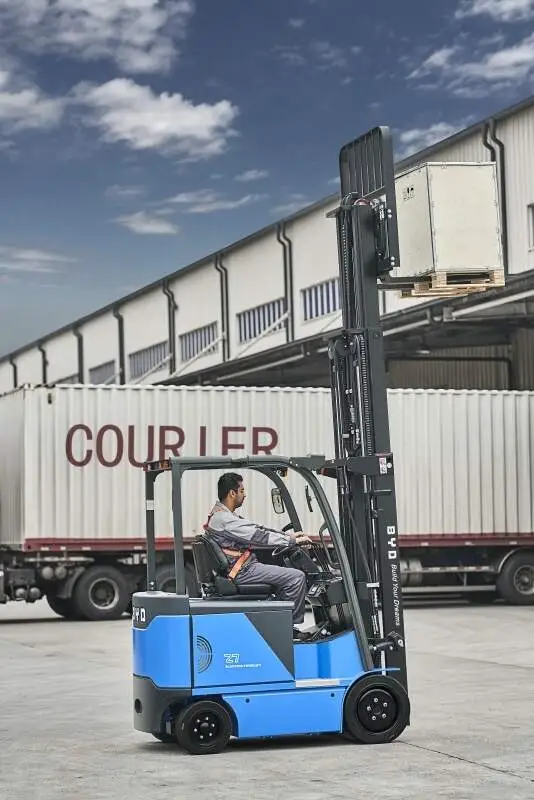
A medium-sized machinery production workshop had previously experienced waiting conditions in the production line due to low material transfer efficiency. After the introduction of lithium-ion forklifts, the route planning was first carried out for the material stacking area in the workshop and the temporary storage point next to the production line to optimize the transfer path and reduce unnecessary turnarounds. At the same time, according to the production shift arrangement of the workshop, the staggered charging mode was adopted, and the non-production time such as lunch break and night was used to replenish the power of the lithium-ion forklift to ensure the continuous and stable operation of the forklift during the production period.
Standardized operating points for operators
The workshop also organized special project training to allow operators to master the precise control skills of lithium-ion forklifts, such as steering in narrow passages, accurate alignment of material stacks, etc. At the same time, the daily inspection process of forklifts was standardized, including power monitoring, tire status inspection, etc., to avoid transfer interruptions caused by equipment failures. In addition, for different types of materials, corresponding forking and handling specifications were formulated to ensure the safety and efficiency of the material transfer process.
Summary of the core achievements of efficiency improvement
After a period of practical application, the material transfer efficiency of the workshop has increased by nearly 30%, and the waiting time of the production line has been greatly reduced. The zero-emission characteristics of lithium-ion forklifts also improve the working environment in the workshop and reduce the safety hazards caused by traditional fuels. At the same time, the maintenance cost of lithium-ion forklifts is lower, and long-term use also saves a lot of operating expenses for the workshop.


