
 简体中文
简体中文 繁体中文
繁体中文 Deutsch
 日本語
日本語 한국어
한국어 Tiếng Việt
 Русский
 ไทย
ไทย Bahasa Indonesia
 Bahasa Melayu
 Filipino
 لالعربية
 Français

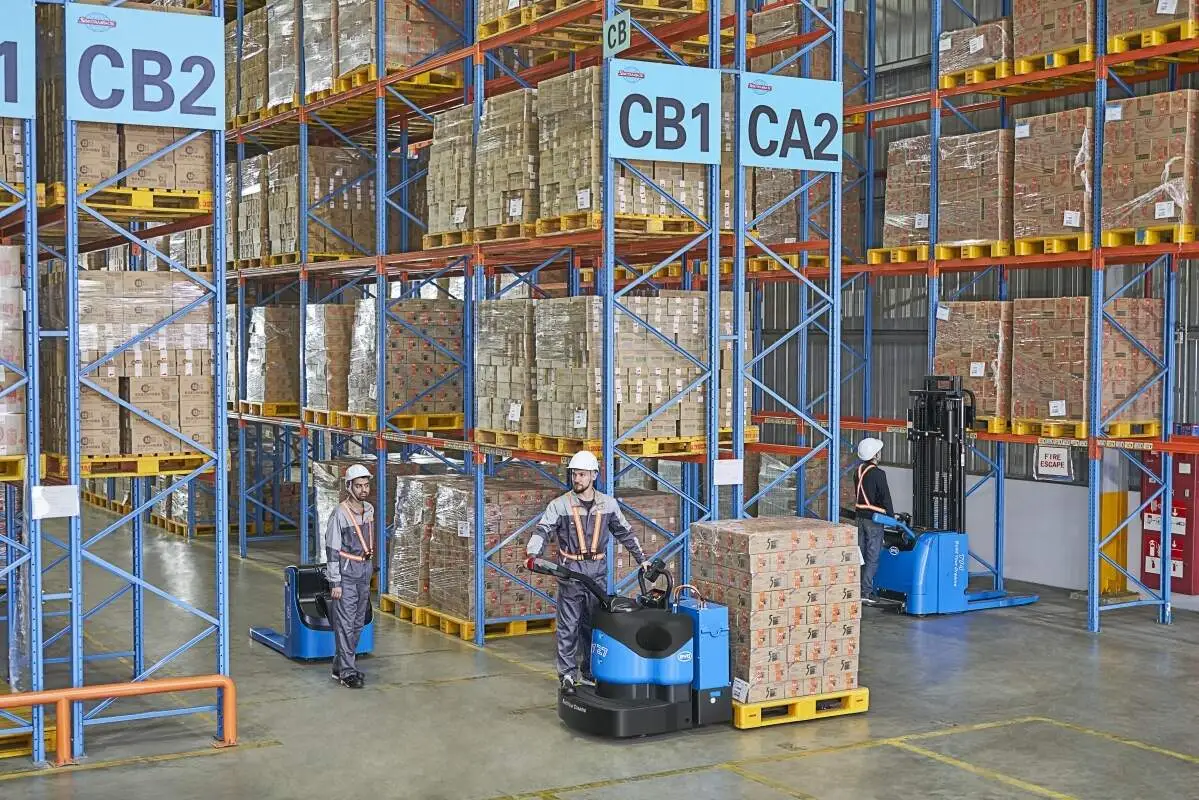
The Necessity of Adapting Explosion-proof Lithium Battery Forklift in Hazardous Container Transshipment Scenario
The port is a hub for the distribution of hazardous chemicals. Hazardous containers cover flammable liquids, explosive gases, corrosive substances and other categories. There are safety hazards such as leakage and explosion during transshipment. Traditional fuel forklifts are prone to spark and high temperature exhaust. If lithium-electric forklifts are not adapted for explosion protection, battery short circuit, overheating and other risks may also trigger hazardous chemical accidents. Therefore, customizing the adaptation plan of explosion-proof lithium-electric forklifts for port scenes is the core requirement to ensure the safety of operations.
core adaptation scheme
Customized adaptation of explosion-proof systems
According to the explosion-proof grade requirements of different hazardous chemicals, the electrical system and battery compartment of the lithium-ion forklift need to be customized. The electrical components are designed with explosion-proof and intrinsically safe to avoid the generation of electric sparks; the battery compartment is equipped with a flame-retardant protective layer and a pressure relief device, which can discharge pressure and block the flame source in time when the battery is abnormal. At the same time, according to the corrosion characteristics of hazardous chemicals, the forklift shell is treated with anti-corrosion treatment to prolong the service life of the equipment.
Performance tuning for condition matching
Port dangerous container transshipment has the characteristics of heavy load, frequent start and stop, and long-distance transshipment. The adaptation plan needs to adjust the power system of the lithium-ion forklift in a targeted manner. Optimize the battery capacity and fast charging technology to ensure that a single battery life covers multiple rounds of transshipment operations. The fast charging mode can replenish power in a short time and adapt to the high-intensity rhythm of port operations. Adjust the lifting system to meet the lifting height requirements of different specifications of dangerous containers. At the same time, strengthen the stability of the braking system to avoid risks such as rolling off and sudden braking during heavy-duty transshipment.
Integrated Adaptation of Safety Monitoring System
Integrated multi-dimensional safety monitoring system, real-time monitoring of battery temperature, voltage, and explosion-proof component status, triggering sound and light warnings and automatically cutting off power in the event of an abnormality; adding hazardous chemical leakage sensors can detect the leakage of combustible gases and corrosive liquids around the container, and the early warning information is synchronized to the port management platform to achieve full monitoring of the operation process and improve the efficiency of emergency response.
Operation and maintenance guarantee after adaptation
After the completion of the adaptation of the explosion-proof lithium forklift needs to establish an exclusive operation and maintenance system, regularly carry out compliance testing of explosion-proof components to ensure that the explosion-proof performance meets the relevant standards; for lithium batteries, the use of professional maintenance processes, including battery status detection, balanced charging, etc., to avoid the safety hazards caused by battery aging; at the same time organize operators to carry out special project training, familiar with the explosion-proof forklift operating specifications and emergency treatment process, to ensure the standardization of the operation process.


