
 简体中文
简体中文 繁体中文
繁体中文 Deutsch
 日本語
日本語 한국어
한국어 Tiếng Việt
 Русский
 ไทย
ไทย Bahasa Indonesia
 Bahasa Melayu
 Filipino
 لالعربية
 Français

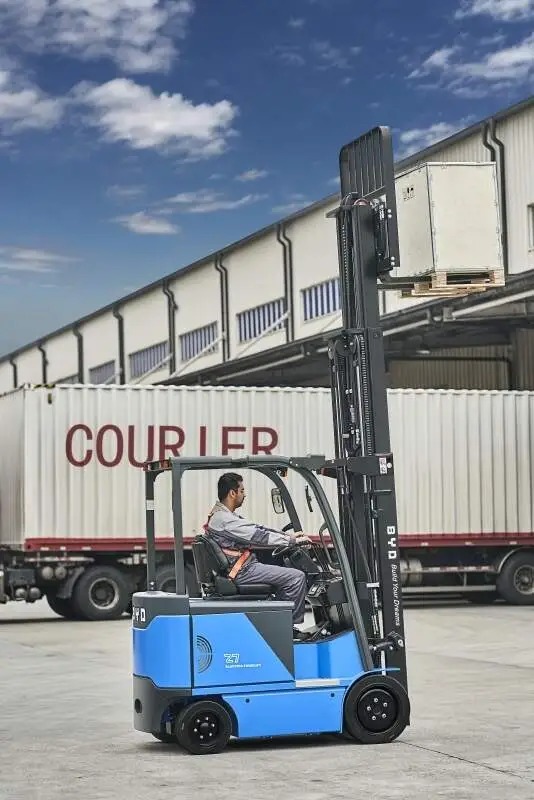
GB19854 is the core standard formulated by our country for explosion-proof industrial vehicles, which clarifies the compliance requirements for explosion-proof lithium forklifts in flammable and explosive environments. Enterprises need to strictly implement configuration specifications to ensure operation safety.
Explosion-proof electrical system compliance configuration
Selection requirements for explosion-proof components
All electrical components must be adapted to the explosion-proof environment and temperature group used by the forklift, and have the corresponding explosion-proof certification qualifications to ensure that there is no risk of ignition in the potentially explosive gas environment. The wiring parts need to be explosion-proof sealed structure to avoid spark leakage due to loosening and wear. At the same time, the electrical lines need to be equipped with overload and short circuit protection devices to prevent abnormal currents from causing safety accidents.
Electrical protection level requirements
Electrical equipment casings must meet the corresponding protection level standards to prevent dust and liquid from intruding and affecting the normal operation of components. In humid or dusty flammable and explosive environments, the protection level needs to be further upgraded to ensure the stability and explosion-proof performance of the electrical system.
Lithium battery safety exclusive configuration requirements
Battery explosion-proof protective structure
The lithium battery pack needs to be equipped with an explosion-proof shell, which has the characteristics of impact resistance and high temperature resistance. When the battery has abnormal conditions such as thermal runaway, it can effectively block the diffusion of flame and explosion energy and avoid the explosion accident in the surrounding environment. At the same time, the battery pack needs to be equipped with a pressure relief device to release the pressure in time when the internal pressure is too high, reducing the risk of explosion.
Battery management system compliance requirements
The battery management system needs to have multiple protection functions such as overcharge, overdischarge, overcurrent, and overheating. It monitors the voltage, current, and temperature parameters of the battery in real time. When abnormal data is detected, it automatically starts the protection mechanism to cut off the power supply to prevent battery failure from causing safety hazards. In addition, the control circuit of the battery management system also needs to meet the requirements of explosion protection to avoid electrical failures generating electric sparks.
Protection structure and environmental adaptation configuration
The metal structural parts of the forklift need to have sufficient strength and corrosion resistance, and it is not easy to rust or deform in flammable and explosive environments to prevent the failure of the explosion-proof parts due to structural damage. The operating parts of the forklift need to be made of anti-static materials, so that no static sparks will be generated when the operator contacts them. At the same time, the forklift needs to be equipped with a grounding device to remove static charges in time.
Monitoring and early warning system configuration
A real-time monitoring system is required to continuously monitor the integrity of explosion-proof components, battery status, and electrical system operating parameters. When explosion-proof components are damaged, batteries are abnormal, etc., sound and light warnings are issued in a timely manner to remind operators to take countermeasures. The early warning system needs to be clearly identifiable and can effectively convey warning messages in noisy operating environments.
When configuring explosion-proof lithium forklifts, enterprises need to check the requirements of GB19854 standards throughout the process, implement compliance specifications one by one from component selection to system construction, and regularly inspect and maintain equipment to ensure that forklifts always meet explosion-proof safety standards and ensure the safety of operations in flammable and explosive environments.


