
 简体中文
简体中文 繁体中文
繁体中文 Deutsch
 日本語
日本語 한국어
한국어 Tiếng Việt
 Русский
 ไทย
ไทย Bahasa Indonesia
 Bahasa Melayu
 Filipino
 لالعربية
 Français

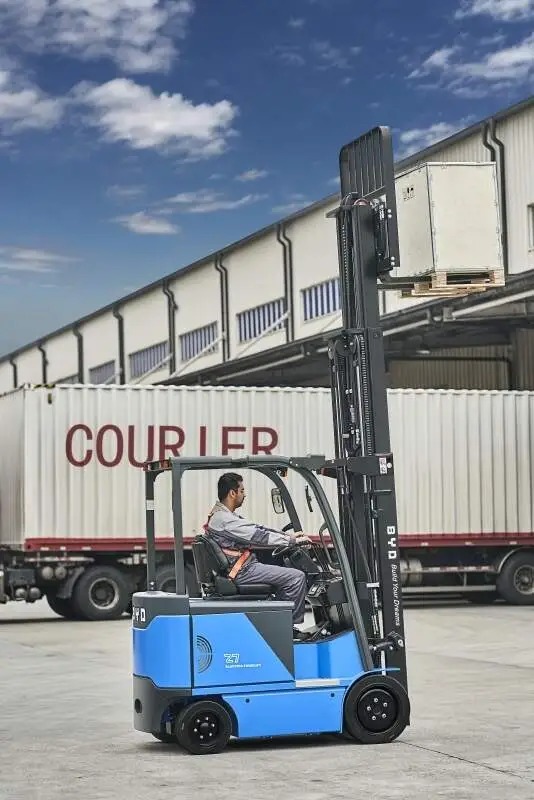
In the petrochemical industry, warehousing and logistics, and other operating scenarios where flammable and explosive gases are present, the explosion-proof lithium batteries equipped with electric forklifts need to be adapted to different levels of hazardous areas, of which zones 1 and 2 are two common divisions.
Core differences in explosion-proof grades between Zone 1 and Zone 2
Hazardous Area Definition Differences
Zone 1 refers to a hazardous area where explosive gas mixtures persist, exist for a long time, or occur frequently, and the risk of explosion in such an environment is always at a high level; Zone 2 refers to an area where explosive gas mixtures only occasionally appear during abnormal operation and last for a short time, and the risk of explosion is relatively controllable.
Differences in explosion-proof performance requirements
For the first zone environment, explosion-proof lithium batteries need to have more stringent explosion-proof protection capabilities, and explosion-proof structures such as explosion-proof and intrinsically safe structures need to be adopted to ensure that they will not become the source of detonation under any working conditions. For explosion-proof lithium batteries in the second zone environment, relatively simplified explosion-proof structures such as increased safety can be selected, as long as they do not generate enough energy to detonate during normal operation.
Certification requirements for explosion-proof lithium batteries in zones 1 and 2
Certification standard basis
Both types of explosion-proof lithium batteries must meet the requirements of national explosion-proof standards and pass the explosion-proof performance testing and certification of regular institutions. Among them, the certification test project of explosion-proof lithium batteries in Zone 1 is more comprehensive, covering explosion-proof performance, short circuit protection, overload protection and many other rigorous tests under extreme temperatures; the test project of explosion-proof lithium batteries in Zone 2 focuses on explosion-proof verification under normal operating conditions.
Maintenance requirements after certification
No matter whether it corresponds to the explosion-proof lithium battery in Zone 1 or Zone 2, it is necessary to conduct regular re-inspection of the explosion-proof performance after obtaining the certificate. In daily use, it is also necessary to strictly follow the operating specifications to avoid the failure of the explosion-proof performance due to man-made damage or aging, and to ensure the safety of the operation in the corresponding dangerous area.


