
 简体中文
简体中文 繁体中文
繁体中文 Deutsch
 日本語
日本語 한국어
한국어 Tiếng Việt
 Русский
 ไทย
ไทย Bahasa Indonesia
 Bahasa Melayu
 Filipino
 لالعربية
 Français

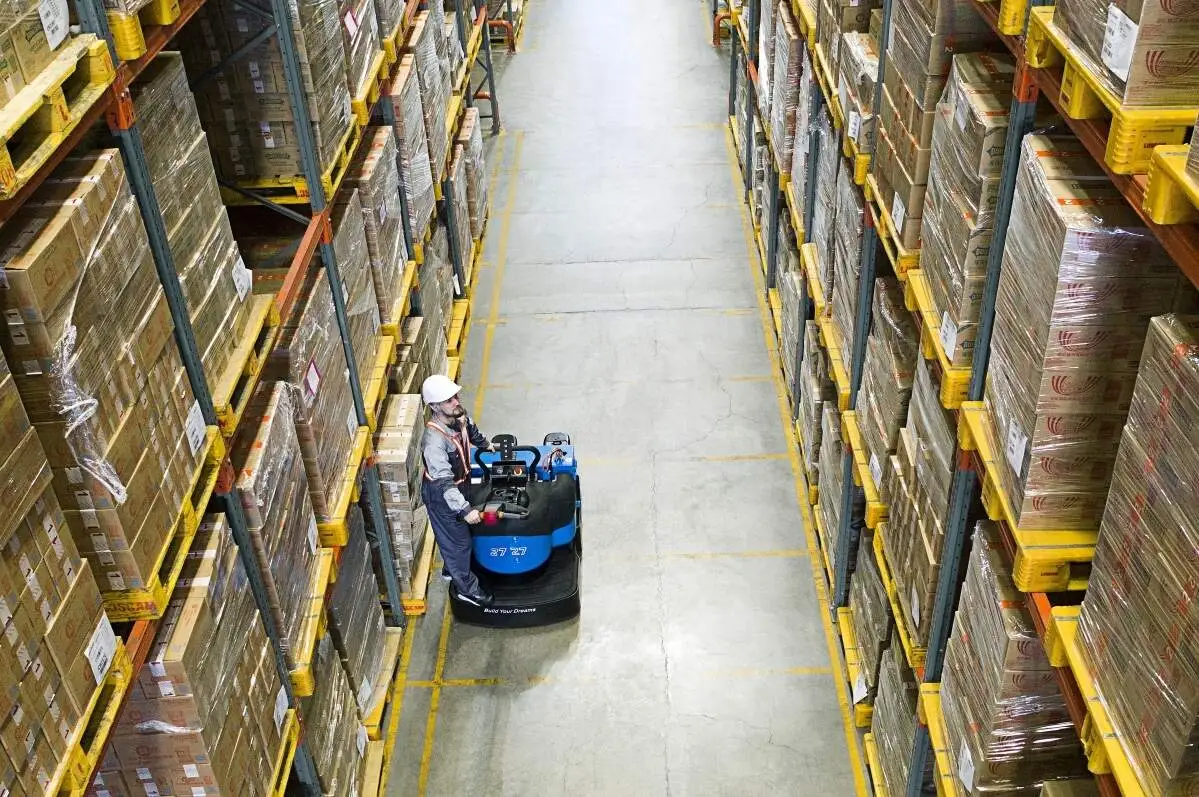
The low temperature environment will cause the internal chemical reaction rate of the lithium battery forklift battery to slow down, the activity will decrease, and then the battery life will shrink and the power will be insufficient, which will bring a lot of inconvenience to daily operations. Mastering scientific battery life extension skills can effectively improve this problem and improve the operation efficiency of the equipment.
Do a good job in battery preheating and thermal insulation management
Preheat in advance before starting. Before the forklift starts the operation, the battery preheating function can be turned on in advance to gradually increase the battery temperature to a suitable working range, avoid damage to the battery caused by direct high-load operation at low temperature, and improve the initial battery life. Pay attention to heat preservation during the operation process, and install a special heat preservation cover for the battery to reduce the direct impact of the low temperature environment on the battery. Especially when operating in an outdoor low temperature environment, it can effectively maintain the working temperature of the battery and delay the battery life attenuation.
Optimize daily workflow
Reasonably plan the operation route to minimize unnecessary no-load driving and long-distance turning back to avoid ineffective battery consumption. At the same time, avoid frequent start and stop operations, each start and stop will consume additional power, and a smooth driving state can reduce the battery load. In addition, rationally arrange the charging time and give priority to charging when the ambient temperature is relatively high. At this time, the charging efficiency of the battery is higher, which can store power more fully and improve the battery life of subsequent operations.
Carry out regular battery maintenance
Regularly check the connecting wires and poles of the battery to ensure that the connection is firm and avoid power loss caused by poor contact. Clean up the dirt and oxides on the surface of the poles in time to ensure smooth current transmission. At the same time, regularly check the status of the battery, including parameters such as voltage and capacity, to detect abnormal conditions of the battery in time and avoid sudden drop in battery life caused by battery failure. In addition, avoid excessive discharge of the battery and charge it in time when a certain proportion of power is remaining, which can effectively protect the battery performance and prolong the overall service life and battery life.
Reasonable adjustment of equipment operating parameters
According to the actual situation of the low temperature environment, adjust the power output parameters of the forklift truck appropriately to avoid maintaining high power operation for a long time and reduce the energy consumption of the battery. For example, in non-emergency operation scenarios, the driving speed can be appropriately reduced and the speed can be increased to balance the power demand and endurance performance, ensuring the smooth completion of the operation task while maximizing the use of battery power.
The above practical skills can effectively improve the battery life of lithium-ion forklifts under low temperature conditions, help enterprises reduce equipment operating costs and improve operating efficiency. In practice, these skills can be flexibly applied in combination with their own operating environment and equipment conditions, so that lithium-ion forklifts can perform stably in low temperature environments.


