
 简体中文
简体中文 繁体中文
繁体中文 Deutsch
 日本語
日本語 한국어
한국어 Tiếng Việt
 Русский
 ไทย
ไทย Bahasa Indonesia
 Bahasa Melayu
 Filipino
 لالعربية
 Français

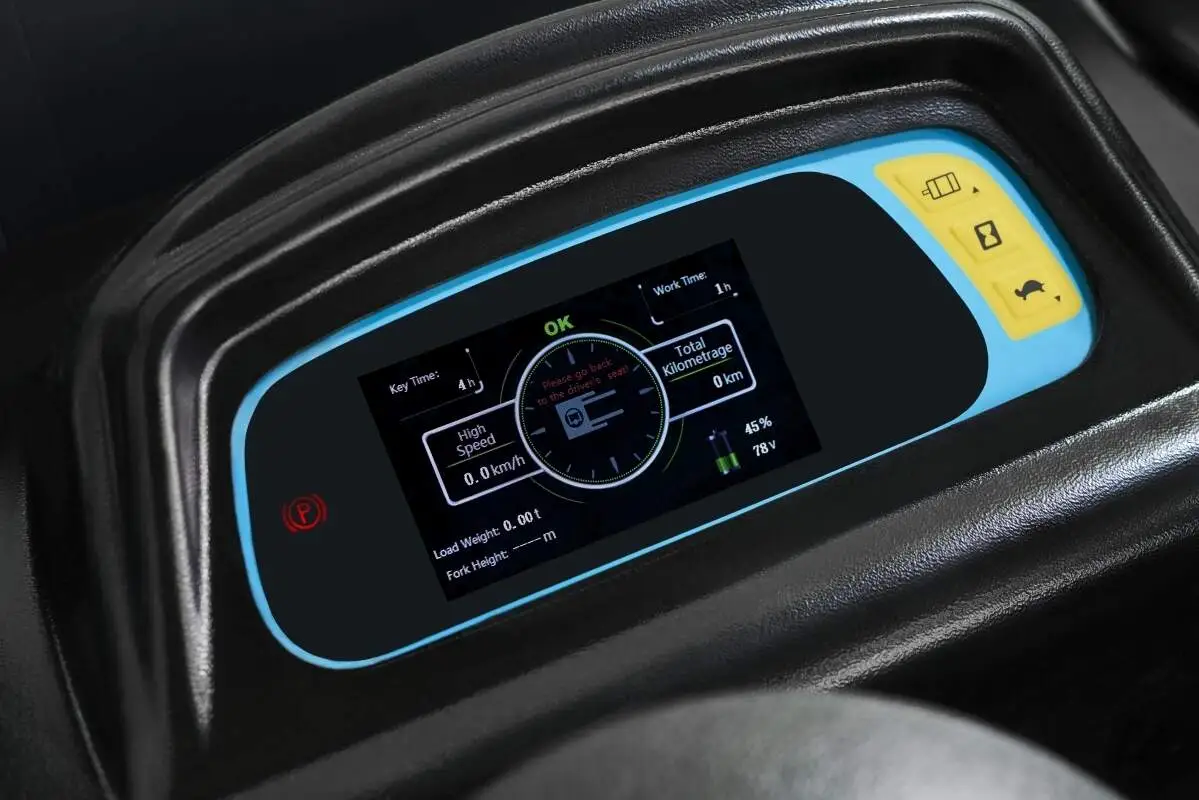
As a professional practitioner in the field of electric forklifts, we often receive inquiries from cold storage storage users about the selection of reach lithium-ion forklifts. Compared with internal combustion forklifts and ordinary storage electric forklifts, reach lithium-ion forklifts have the characteristics of narrow passages, zero emissions, and flexible battery life. When adapting to cold storage environments, we need to pay attention to many details.
First of all, pay attention to the screening of low temperature resistant core components. First of all, confirm the minimum temperature range applicable to the body structure and core power components, and match the annual operating temperature of its own cold storage to avoid component embrittlement or failure. It is recommended to choose low temperature impact resistant materials for body steel, which meet the relevant general industrial structural steel standards. Core electrical components such as motors and electronic controls need to have a high protection level to prevent the intrusion of humid air or frost in the cold storage, resulting in short circuits or performance degradation. At the same time, the electrical system needs to have anti-condensation function to reduce the risk of condensation caused by temperature difference.
Secondly, it is necessary to pay attention to the selection of lithium batteries suitable for low temperature environment. It is recommended to choose a suitable battery type optimized for low temperature environment. The discharge efficiency of this kind of battery is relatively stable at low temperature, which can meet the daily operation needs. At the same time, pay attention to the preheating function of the battery. Preheating can improve the performance of start-up and early operation. In addition, it is necessary to check whether the sealing and insulation measures of the battery compartment are perfect to reduce the impact of external temperature on the battery. It is recommended to operate within a reasonable discharge range during daily use, which will help prolong the battery life.
Also consider the scene and safety precautions. When measuring the headroom in the cold storage, reserve the safe top distance when the shipping fork is raised at the highest level to avoid scratching the top structure. When measuring the width of the narrow lane, it should be calculated according to the minimum turning radius of the forklift plus the reserved space on both sides. The reserved space on one side can usually meet the obstacle avoidance needs of daily operation. In terms of safety configuration, it is necessary to have anti-skid tires with deep patterns or special materials, suitable for frost-prone cold storage floors, and clear and easy-to-touch emergency stop buttons, stable lights that meet requirements, and windproof or sealed doors to reduce air-conditioning loss while ensuring personnel operation comfort.


