
 简体中文
简体中文 繁体中文
繁体中文 Deutsch
 日本語
日本語 한국어
한국어 Tiếng Việt
 Русский
 ไทย
ไทย Bahasa Indonesia
 Bahasa Melayu
 Filipino
 لالعربية
 Français

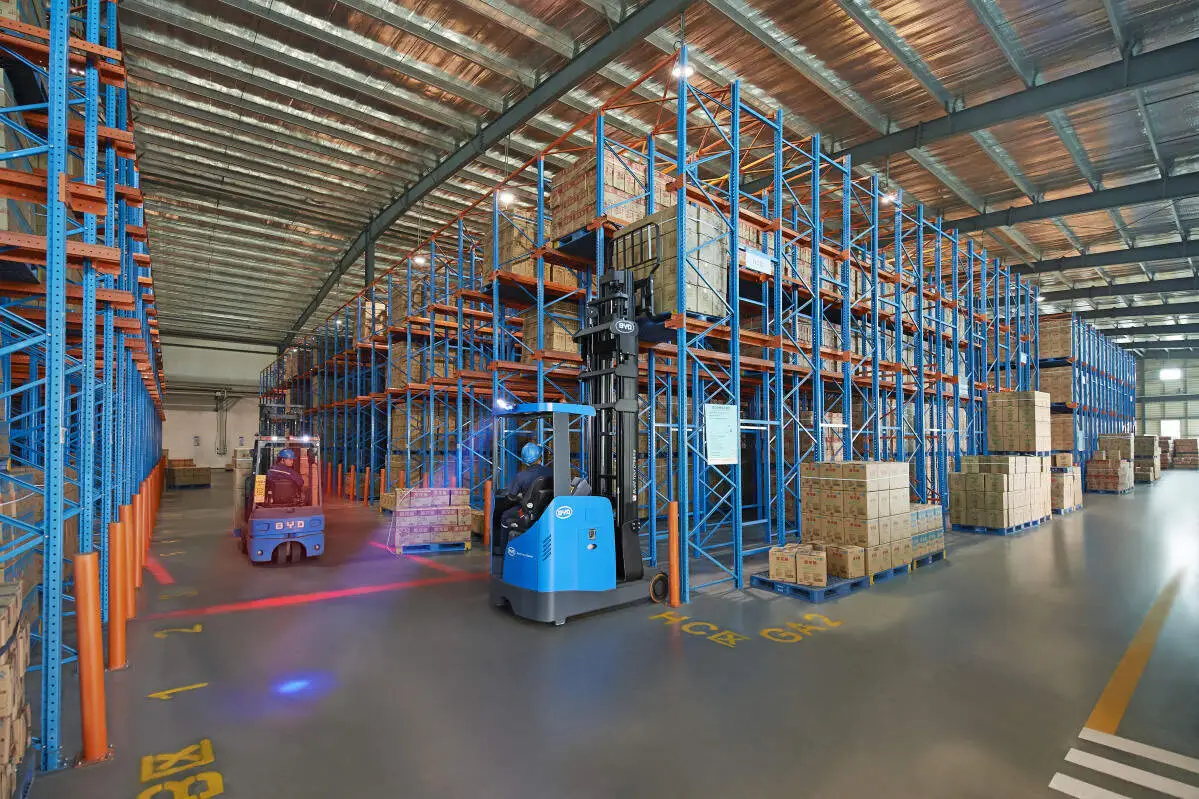
The current density of domestic logistics warehousing networks continues to increase, and the frequency of large-scale cargo handling operations in transit yards and distribution centers continues to rise. 4-ton handling equipment has become the core configuration of many medium and large logistics nodes. During the selection process, the industry no longer only focuses on single procurement costs, but also values full-cycle use experience and long-term comprehensive benefits.
Core Evaluation Dimensions of 4-ton Logistics Handling Equipment Selection
In the equipment selection stage, many logistics enterprises will comprehensively evaluate the daily average operation time, load demand, site attributes, compliance requirements and other dimensions of their own operation scenarios, eliminate the options with insufficient adaptability, and give priority to equipment that can cover the needs of multi-scene operations.
Scene adaptation value of lithium battery forklift
overloaded job performance matching
The power output of a 4-ton lithium-ion forklift truck can stably meet the long-distance handling and high-lift stacking requirements of large-scale goods. The power output is stable under continuous operation, and there is no power attenuation affecting the operation rhythm. It can cover the single-shift operation requirements of most logistics nodes without midway replenishment.
full cycle cost optimization
Compared with traditional handling equipment of the same specification, lithium-ion forklifts have fewer daily maintenance links, do not require regular replacement of related vulnerable consumables, and have a lower probability of failure during long-term use, which can help logistics enterprises reduce the manpower and material investment in equipment operation and maintenance. The long-term stability of superimposed electricity costs and the controllability of full-cycle investment are stronger.
Low carbon scene adaptation value
At present, the logistics parks and warehousing core areas in many cities have successively introduced emission control requirements for non-road mobile machinery, and lithium battery handling equipment that meets low carbon emission requirements can smoothly enter various control areas for operation, and there will be no equipment restrictions that cannot be entered.
In the selection process of 4-ton handling equipment, logistics enterprises can obtain more stable long-term operating income and adapt to the overall development trend of green upgrading in the industry by reviewing the adaptability of lithium-ion forklifts in combination with their own actual operation features.


