
 简体中文
简体中文 繁体中文
繁体中文 Deutsch
 日本語
日本語 한국어
한국어 Tiếng Việt
 Русский
 ไทย
ไทย Bahasa Indonesia
 Bahasa Melayu
 Filipino
 لالعربية
 Français

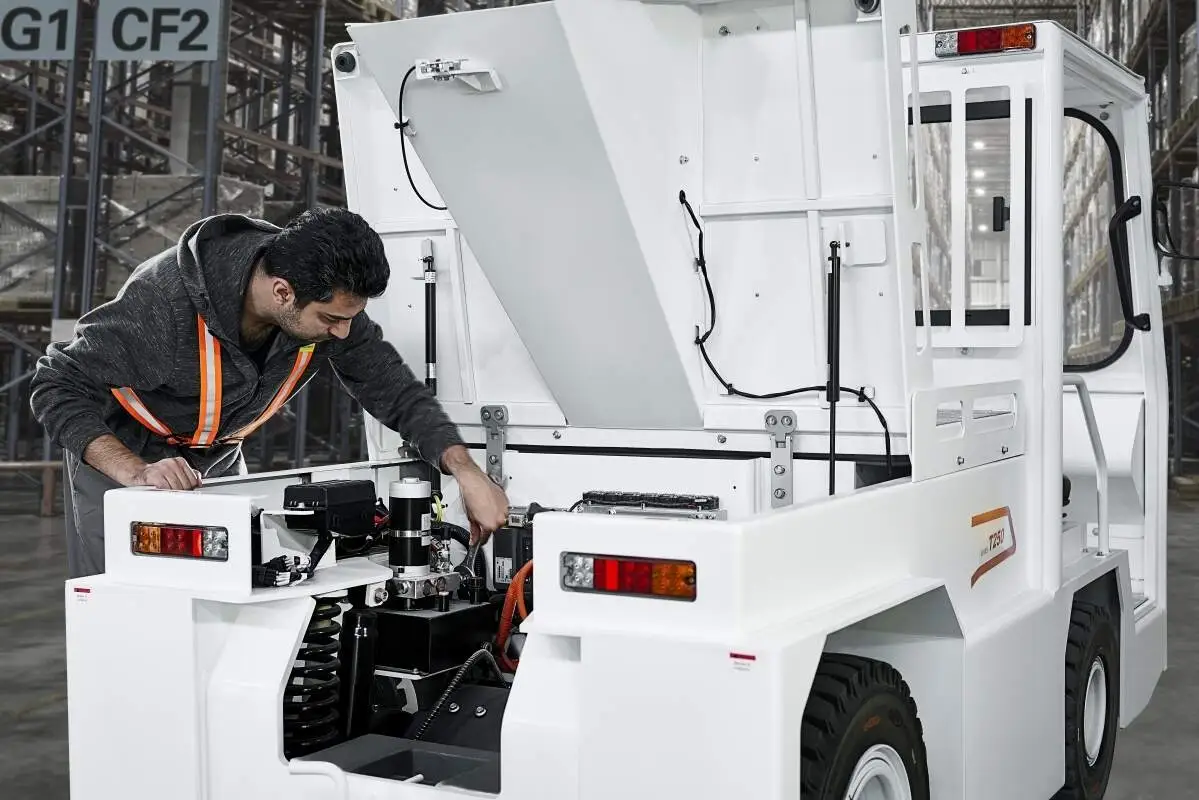
4-Ton electric forklift core basic configuration commonality
Power system design
Most of the mainstream 4-ton electric forklifts in circulation in the market use a fully AC drive structure to reduce the wear probability of carbon brush wearing parts, effectively reduce the frequency and cost of daily maintenance, and generally take into account the stability of the start and the basic climbing ability of the walking power adjustment. This can meet the needs of conventional operations such as ramp driving and truck loading and unloading in the factory area, and adapt to the basic use requirements of most industrial handling scenarios.
Bearing structure design
The door frame of this type of model generally adopts high-strength steel welding process, and the fork part is redundantly strengthened in thickness. At the same time, it is equipped with a counterweight structure that meets safety standards to ensure the stability of the body under a rated load of 4 tons. Most products are equipped with anti-skid operating pedals and a wide panoramic operating field of view, which can effectively reduce the fatigue of operators working for a long time and improve the smoothness of the operation.
The configuration differences of different brands of models
battery life distinction
The same tonnage models launched by different manufacturers will be adjusted differently in battery configuration. Some models are equipped with large-capacity lithium iron phosphate batteries, which can cover more than 8 hours of continuous operation after a single full charge. They are suitable for high-frequency use scenarios with two shifts. Some models are also equipped with conventional lead-acid batteries, which have relatively lower acquisition costs and are suitable for use scenarios with short operating hours and limited budgets.
add-on configuration
Some models are equipped with an intelligent power management system, which can monitor the battery operation status in real time. They can also be equipped with side shifters and fast-loading structures, which are suitable for the handling needs of different types of bulk materials and special-shaped large pieces. Some models have optimized the temperature control of the electronic control system for low-temperature operation scenarios, which can be adapted to the outdoor winter operation environment in low-temperature areas. When purchasing this type of equipment, users can combine their own average daily operating hours, scene environmental characteristics, and budget space to comprehensively consider, and give priority to models that suit their actual needs. There is no need to blindly pursue redundant functions to cause unnecessary cost waste.


