
 简体中文
简体中文 繁体中文
繁体中文 Deutsch
 日本語
日本語 한국어
한국어 Tiếng Việt
 Русский
 ไทย
ไทย Bahasa Indonesia
 Bahasa Melayu
 Filipino
 لالعربية
 Français

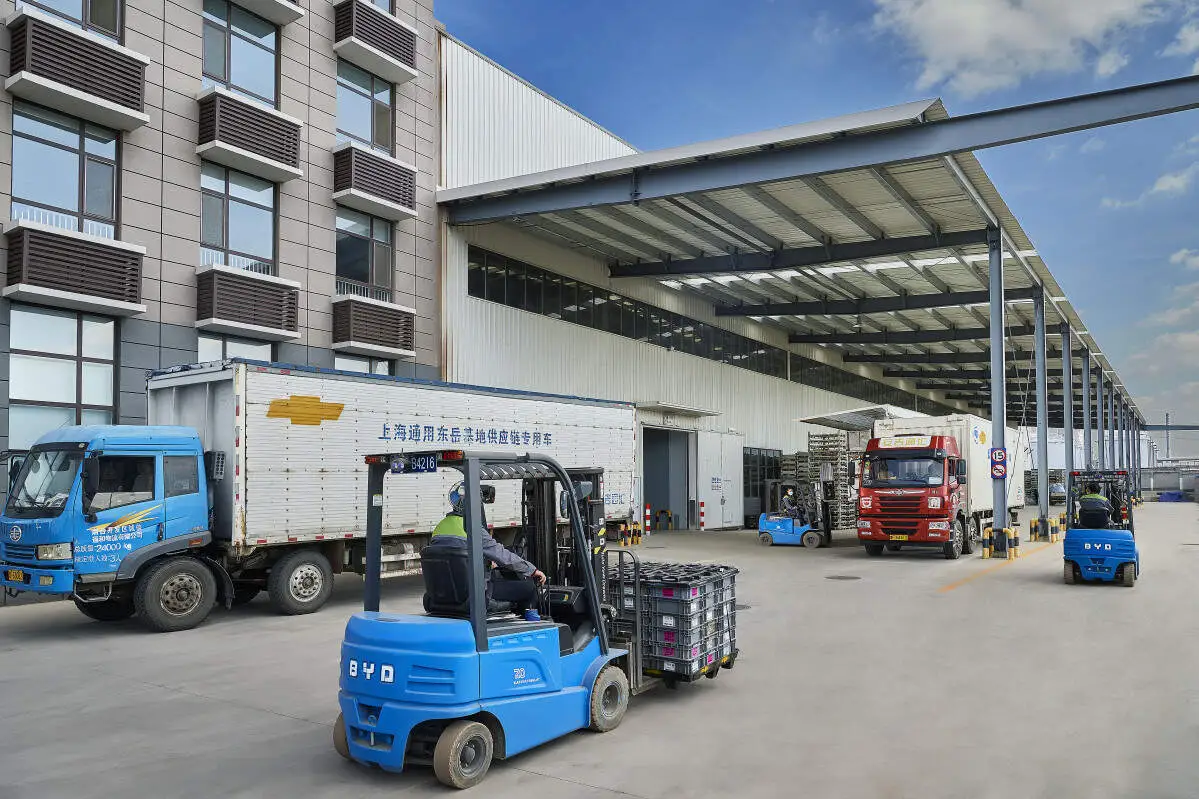
Many production or warehousing enterprises will encounter the need for temporary handling in the workshop, such as the turnover of bulk materials for rush orders, the temporary transfer of new workshops or the replacement of old equipment, and the demand for short-term manpower to supplement and match equipment during peak season orders. At this time, if you directly purchase new equipment, not only will the upfront capital investment be large, but the later idle maintenance will also increase operating costs. Short-term leasing of equipment in the same city has become a more reasonable choice.
Among the many temporary handling equipment that can be leased in the same city, the 1.5-ton lithium-ion forklift is more suitable. This type of forklift has moderate weight and flexibility, and can adapt to the narrow passages and floor load-bearing requirements of most workshops. The minimum turning radius of some models can even be controlled at more than one meter, which is convenient for flexible shuttle operations between workbenches and the bottom layer of shelves. At the same time, its power source is lithium batteries, which do not need to add fuel or replace lead-acid battery electrolyte. Daily maintenance is simpler, and it will not produce exhaust gas in closed workshops. It is more friendly to employee health and workshop environment. The charging speed is also fast. Some models can support fast charging. It can replenish a certain amount of power in about half an hour and continue to be used. It can cope with relatively compact temporary handling tasks.
When choosing a short-term rental plan for a 1.5-ton lithium-ion forklift truck in the same city, there are several aspects that can be paid attention to in advance. The first is to clarify your own temporary handling needs, such as the weight, volume and shape of the handling goods, the duration and cycle of the operation, the channel width, floor height and load-bearing situation of the operation workshop, and whether special attachments such as holding clips and side shifters are required, so that the rental service provider can recommend more suitable models. The second is to understand the qualifications and service content of the rental service provider, such as whether there is a formal business premises, whether the vehicle has been regularly inspected and maintained, and whether it provides supporting services such as vehicle use training, failure repair, and insurance protection. Finally, compare the rental price and cycle flexibility, and choose a service provider with transparent charges and can adjust the lease period at any time according to actual needs.
In addition, when using a leased 1.5-ton lithium-ion forklift, it is necessary to adhere to relevant safety operating procedures, arrange for personnel with a forklift operation qualification to drive, and avoid violations such as overloading and speeding. Before operation, check the brakes, steering, lighting, tires, and other key components of the vehicle to ensure that the vehicle is in normal condition. During operation, pay attention to the surrounding personnel and environment to avoid safety accidents.


