
 简体中文
简体中文 繁体中文
繁体中文 Deutsch
 日本語
日本語 한국어
한국어 Tiếng Việt
 Русский
 ไทย
ไทย Bahasa Indonesia
 Bahasa Melayu
 Filipino
 لالعربية
 Français

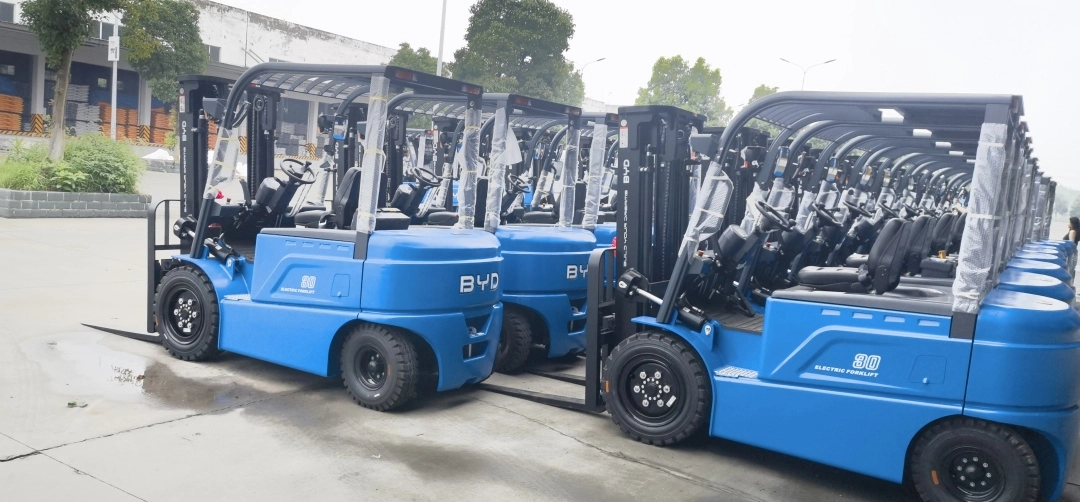
As a commonly used storage and handling equipment, three-point lithium-ion forklifts are widely used in narrow space operation scenarios due to their flexible steering and environmentally friendly power. In daily use, it is inevitable to encounter some minor faults. Mastering simple troubleshooting methods can quickly solve the problem and avoid delaying the work progress. The following is to start with several common fault directions and introduce specific operation points.
The first is the investigation of weak battery life or failure to start. This is one of the more common situations of three fulcrum lithium forklifts. The first step is to check the remaining power of the battery and observe whether the power indicator light on the dashboard is low. If the power is insufficient, connect to the matching charging device in time to charge. If the power shows normal but cannot be started, then check whether the terminal of the battery compartment is loose and oxidized. The oxidized terminal can be gently wiped with a dry soft brush. If it is loose, you need to tighten it with a tool, but make sure that the vehicle is in a power-off state and the key has been pulled out before operation. In addition, pay attention to whether there is any foreign body blockage in the charging interface, or whether the touchpoint of the interface is deformed. If there is any foreign body, clean it up in time. If the deformation is serious, you need to contact a professional to deal with it.
The second is the investigation of the steering card. The flexibility of the three-point lithium-ion forklift relies heavily on the steering system. When there is a jam, first check whether the tire pressure of the steering wheel is normal. If the air pressure is too low, it will cause the steering resistance to increase. Just add it to the standard air pressure range in time. If the air pressure is normal, then check whether there are any tangled debris around the steering wheel, such as tape, plastic rope, packaging debris, etc. These debris will jam the steering mechanism. After cleaning, test whether the steering is smooth. In addition, after long-term use, the connection of the steering system may lack lubrication, and you can also observe whether there are traces of dryness in the relevant moving parts. However, before adding lubricant, confirm the type of lubrication suitable for the vehicle, and operate according to the requirements to avoid contaminating the surrounding parts.
Finally, the investigation of abnormal brakes. Braking is an important part of ensuring the safety of the operation. If there is an abnormality, stop and check immediately. If the brake pedal travel is too long or the brake is not sensitive after stepping on, first check whether the liquid level of the brake oil is within the normal range. If the liquid level is low, you can add the same type of brake oil, but be careful not to exceed the upper limit mark. If there is an abnormal sound when braking, first check whether there is obvious debris attached to the brake disc or brake pad, and then test after cleaning. If the abnormal sound still exists, it may be that the brake pad is worn to the warning position and needs to be replaced in time. However, this step is recommended to be operated by professionals to avoid self-adjustment affecting the braking performance.
Daily basic inspections of three-point lithium forklifts can effectively reduce the occurrence of failures and prolong the service life of the equipment. If you encounter problems that cannot be solved by simple methods, be sure to contact professional maintenance personnel and do not disassemble important components by yourself.


