
 简体中文
简体中文 繁体中文
繁体中文 Deutsch
 日本語
日本語 한국어
한국어 Tiếng Việt
 Русский
 ไทย
ไทย Bahasa Indonesia
 Bahasa Melayu
 Filipino
 لالعربية
 Français

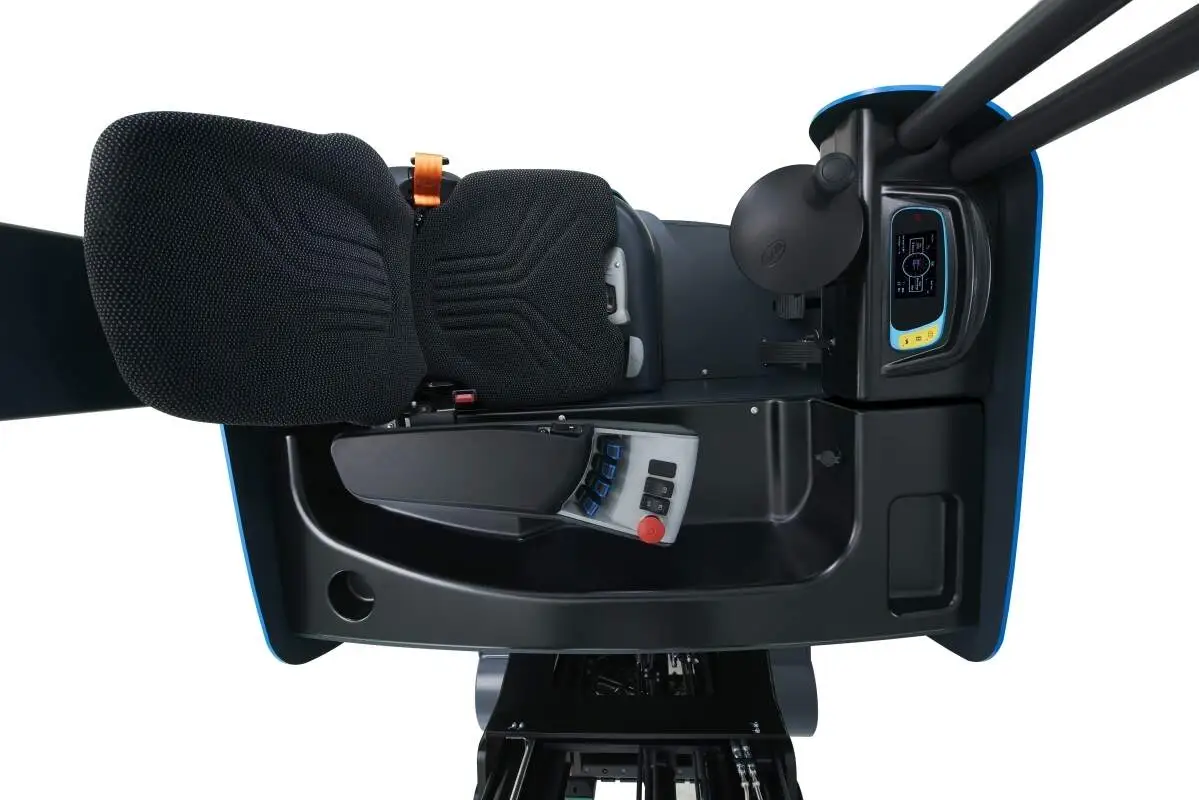
In small and medium-sized plant material handling scenarios, space is limited, handling frequency is high but the load is relatively concentrated. Choosing the right electric forklift is the key to improving efficiency and controlling costs. The following provides practical selection reference for enterprises from multiple core dimensions.
Match job load to avoid wasted capacity
Evaluate load requirements on demand
The daily handling materials of small and medium-sized plants are mostly finished boxes, raw material pallets, etc., and the loads are mostly concentrated in the range of 1-3 tons. There is no need to blindly pursue super-large load specifications when selecting models, otherwise it will increase procurement costs and energy consumption, resulting in idle and wasteful performance. It is recommended to first sort out the maximum material weight and stacking height for daily handling, and select the forklift with the appropriate load to ensure that it can meet the peak operation demand without excessive performance.
Adapt work space to improve handling efficiency
Focus on channel and turn flexibility
The width of the main passage and stacking area of the small and medium-sized plant is usually narrow, and there are obstacles such as corners and columns in some areas. When selecting the model, you need to pay attention to the minimum turning radius of the forklift, the length of the body and other parameters, and give priority to the compact design model to ensure that it can be flexibly shuttled in a narrow space to avoid the operation being blocked due to the large body and slowing down the handling rhythm. If it involves high-level stacking, you also need to confirm whether the lifting height of the forklift is suitable for the height of the shelf to avoid the problem of not being in place.
Consider battery life and charging to ensure continuous operation
Combining working hours and charging conditions
The operation time of small and medium-sized factories is mostly 8 hours per shift, and some enterprises have the need for two shifts. When selecting models, it is necessary to match the battery life of the forklift according to the daily operation time to ensure that the battery power can cover the complete operation cycle. At the same time, it should be combined with the charging environment of the factory. If it has night charging conditions, you can choose a regular battery life model; if you need quick replenishment, you can pay attention to the model that supports fast charging function to reduce charging waiting time and ensure operation continuity.
Evaluate maintenance costs to reduce long-term investment
Focusing on maintenance convenience and component life
The daily maintenance of electric forklifts mainly focuses on the power battery, tires, hydraulic system and other parts. When selecting a model, you can understand the service life of the power battery, the replacement cost, and the frequency and difficulty of daily maintenance. Preference is given to models with simple maintenance processes and easy access to accessories, which can reduce later maintenance time and costs, and reduce the loss caused by equipment downtime. At the same time, regular preventive maintenance can also prolong the service life of the forklift and improve the long-term cost performance.
Overall, the selection of electric forklifts for small and medium-sized plants requires comprehensive consideration of multiple dimensions such as load, space, battery life, and maintenance, and matching them with their actual operation needs in order to select suitable equipment, help improve material handling efficiency, and achieve the goal of reducing costs and increasing efficiency.


