
 简体中文
简体中文 繁体中文
繁体中文 Deutsch
 日本語
日本語 한국어
한국어 Tiếng Việt
 Русский
 ไทย
ไทย Bahasa Indonesia
 Bahasa Melayu
 Filipino
 لالعربية
 Français

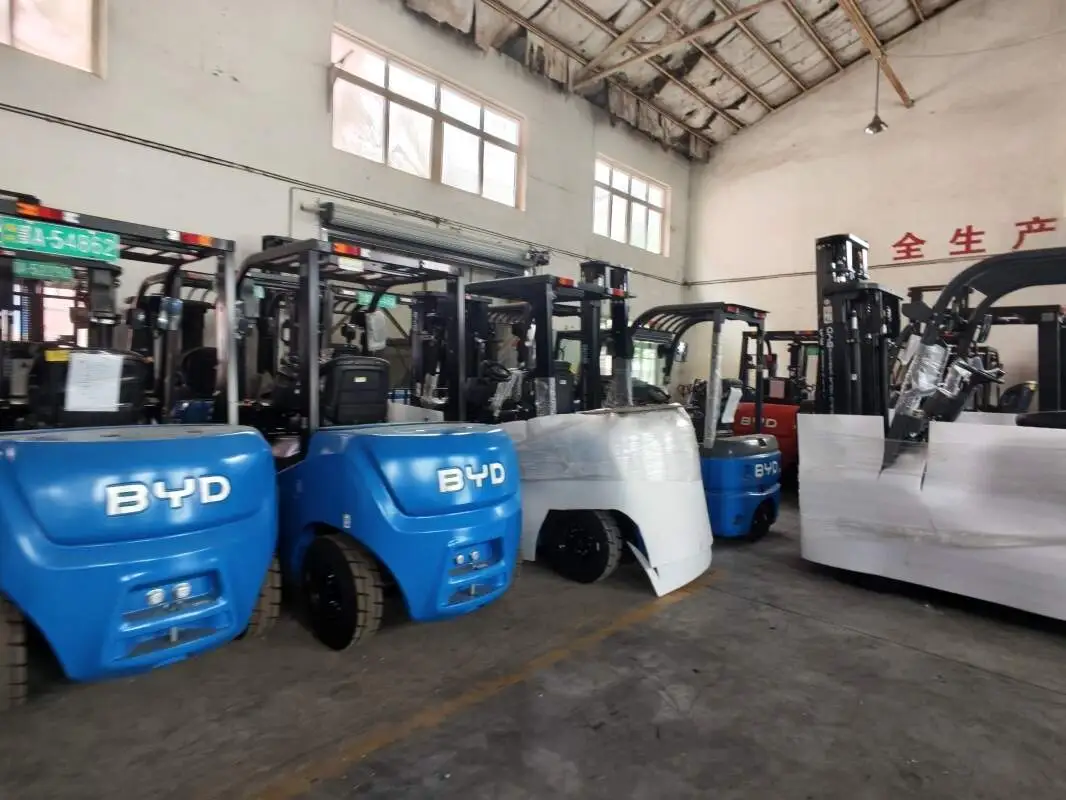
In the field of logistics warehousing and industrial handling, electric forklifts have become mainstream equipment due to their advantages of environmental protection and low noise. However, if there is a lack of professional knowledge during the procurement process, it is easy to bury hidden dangers. Mastering procurement common problems and selection skills can help enterprises reduce costs and improve operational efficiency.
Common cognitive misconceptions before purchasing
Ignoring the actual use scenario is a typical misunderstanding when purchasing. The requirements for electric forklifts vary significantly in different operating environments. Indoor enclosed spaces need to focus on low emissions and flexibility, while outdoor open-air operations need to have good waterproof and dustproof performance. If the scene is not matched during selection, it is prone to frequent equipment failures and shortened service life. In addition, some companies only focus on the purchase price and ignore the core configuration differences, such as the battery life and replacement cost of different types of batteries. Blind selection of low-priced products may lead to soaring maintenance costs in the later stage.
Common problems in selecting core dimensions
Battery life is the core consideration when purchasing, but many companies only judge battery life based on battery capacity, ignoring factors such as operating intensity and ambient temperature. High or low temperature environments will reduce battery activity, and frequent start and stop operating conditions will also accelerate power consumption. Only looking at capacity is prone to the problem of insufficient battery life. In terms of load capacity, some companies pursue large loads, but ignore the average load of daily operations. Large-load forklifts not only have higher procurement costs, but also cause energy waste during light-load operations. At the same time, maintenance costs are often ignored. Different types of electric forklifts have different parts versatility and battery replacement cycles. If they are not known in advance, they may face difficulties in finding accessories and maintenance cost overruns in the later stage.
How to avoid the hidden dangers of model selection in advance
First of all, it is necessary to clarify its own needs, sort out the core information such as the scene, load, and operation time of daily operations, and form a clear list of requirements to avoid blind selection. Secondly, field tests can be carried out, allowing suppliers to provide prototypes to simulate daily operation conditions, and intuitively judge whether the battery life and flexibility of the equipment meet the needs. Finally, it is recommended to consult professional and technical personnel, obtain targeted selection suggestions based on the characteristics of the enterprise's operations, and understand the after-sales guarantee service of the equipment to ensure reliable support for later maintenance.


