
 简体中文
简体中文 繁体中文
繁体中文 Deutsch
 日本語
日本語 한국어
한국어 Tiếng Việt
 Русский
 ไทย
ไทย Bahasa Indonesia
 Bahasa Melayu
 Filipino
 لالعربية
 Français

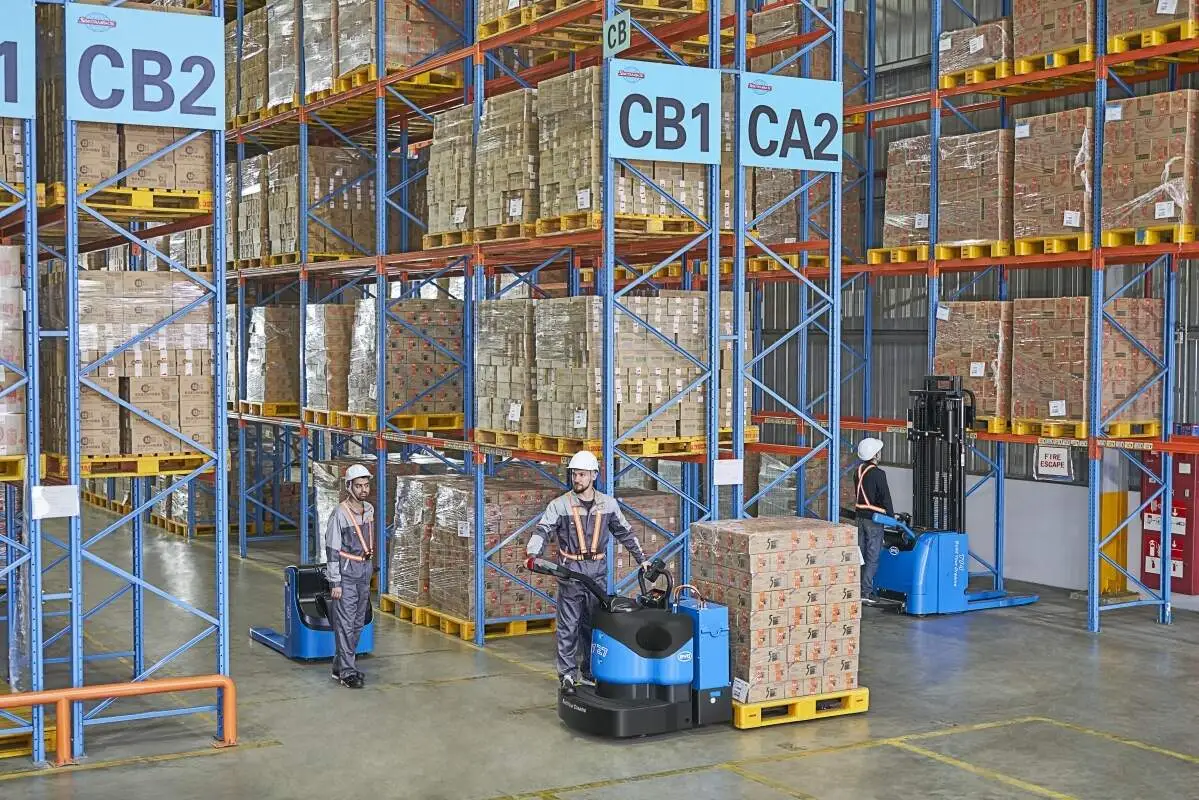
The voltage and capacity of an electric forklift are directly related to the operation time and efficiency. Reasonable selection is the key to ensuring the smooth development of daily operations.
Clarify the core requirements of daily operations
Statistics of daily operation time and intensity are the first step in model selection. First of all, it is necessary to accurately record the actual operation time and distinguish between continuous operation and intermittent operation mode. For example, there is a difference in energy consumption requirements between continuous handling for 6 hours a day and cumulative operation for 8 hours in different periods. At the same time, according to the load situation of the operation scene, frequent handling of heavy goods will increase energy consumption, which needs to be considered in advance when selecting models.
The core basis for voltage selection
Electric forklifts of different voltage specifications are suitable for different scenarios. The low-voltage model has moderate power output, suitable for scenarios with short operation time and light load, such as scattered handling in a small warehouse, and the charging equipment requirements are relatively simple. The high-voltage model has strong and stable power, and is more suitable for long-term continuous operation and heavy-load handling scenarios. It can reduce the impact of power attenuation on the operation, but it needs to be equipped with corresponding high-voltage charging facilities.
Calculation method of capacity matching
Capacity needs to be estimated in combination with the operating time. First, the average energy consumption per hour is obtained through actual testing or referring to industry data, then multiplied by the daily operating time, and a capacity margin of 10% -20% is reserved to deal with sudden operating needs or natural battery loss. In addition, the low temperature environment will reduce the actual usable capacity of the battery. If the operating environment temperature is low, the capacity specification needs to be appropriately increased.
Practical Suggestions for Comprehensive Selection
Priority should be given to matching parameters around the core requirements. If the operation time is the primary consideration, first determine the capacity range that meets the duration, and then select the appropriate voltage specification. Regularly evaluate the changes in operation requirements. If the increase in business volume leads to the extension of the operation time, the battery parameters can be adjusted in time. At the same time, pay attention to the convenience of charging. If the charging conditions are limited, you can choose a battery with a slightly larger capacity to reduce the charging frequency.


