
 简体中文
简体中文 繁体中文
繁体中文 Deutsch
 日本語
日本語 한국어
한국어 Tiếng Việt
 Русский
 ไทย
ไทย Bahasa Indonesia
 Bahasa Melayu
 Filipino
 لالعربية
 Français

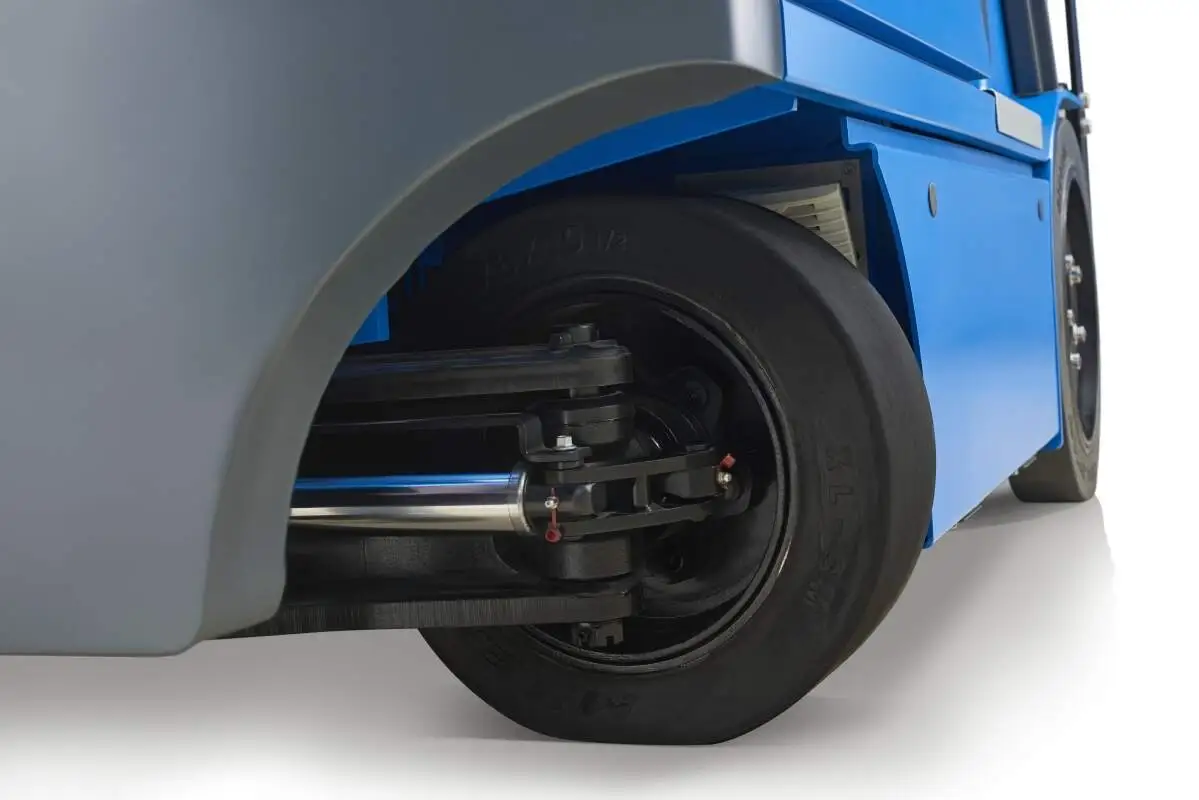
Many small enterprises carry out logistics handling business, often torn electric forklift to lease or purchase. Due to the limited funds of small enterprises and large fluctuations in demand, the two methods have their own advantages and disadvantages, which need to be judged in combination with the actual situation.
The core advantages of renting an electric forklift
Reduce initial financial pressure
For small businesses with insufficient capital reserves, leasing does not require a large one-time purchase payment, but only pays rent on a monthly or quarterly basis, allowing them to invest in their core business and avoid cash flow constraints.
Adapt to flexible and changing needs
Some small businesses have seasonal demand for handling, such as a surge in demand in the peak season of e-commerce and a sharp decrease in the off-season. Leasing can adjust the number of forklifts according to business fluctuations, increase rents in the peak season and withdraw rents in the off-season to avoid idle waste of equipment.
Eliminate the burden of equipment operation and maintenance
Electric forklifts require regular maintenance, fault repair, and battery replacement. When leasing, these operation and maintenance tasks are the responsibility of the lessor, and the enterprise does not need to provide maintenance personnel, saving manpower and time costs.
The core advantages of self-purchasing electric forklifts
The long-term use cost is more advantageous
If a small business has stable long-term handling needs and uses it for more than 6 hours a day, the total purchase cost is lower than the rental cost in the long run. After the equipment is depreciated and amortized, it only needs to bear the battery and maintenance costs in the future, which is more cost-effective as a whole.
Own autonomy in fixed assets
The purchased electric forklift is a fixed asset of the enterprise and can be modified and adjusted on demand without the restriction of the lease agreement. At the same time, fixed assets can be depreciated to reduce the tax burden of the enterprise.
How can small businesses make the right choices?
Combined use of frequency judgment
Low frequency of use, only occasional use to choose lease; long-term high-frequency use, with an average of more than 5 hours per day to choose purchase.
Consider your own financial situation
Cash flow is tight, priority is given to leasing to avoid large expenses affecting operations; sufficient funds and long-term planning can be considered for procurement.
Assessing Demand Stability
Business fluctuations, unpredictable demand, and leasing flexibility are more appropriate; business stability, long-term fixed demand, procurement can bring a stable experience and long-term cost advantages.


