
 简体中文
简体中文 繁体中文
繁体中文 Deutsch
 日本語
日本語 한국어
한국어 Tiếng Việt
 Русский
 ไทย
ไทย Bahasa Indonesia
 Bahasa Melayu
 Filipino
 لالعربية
 Français

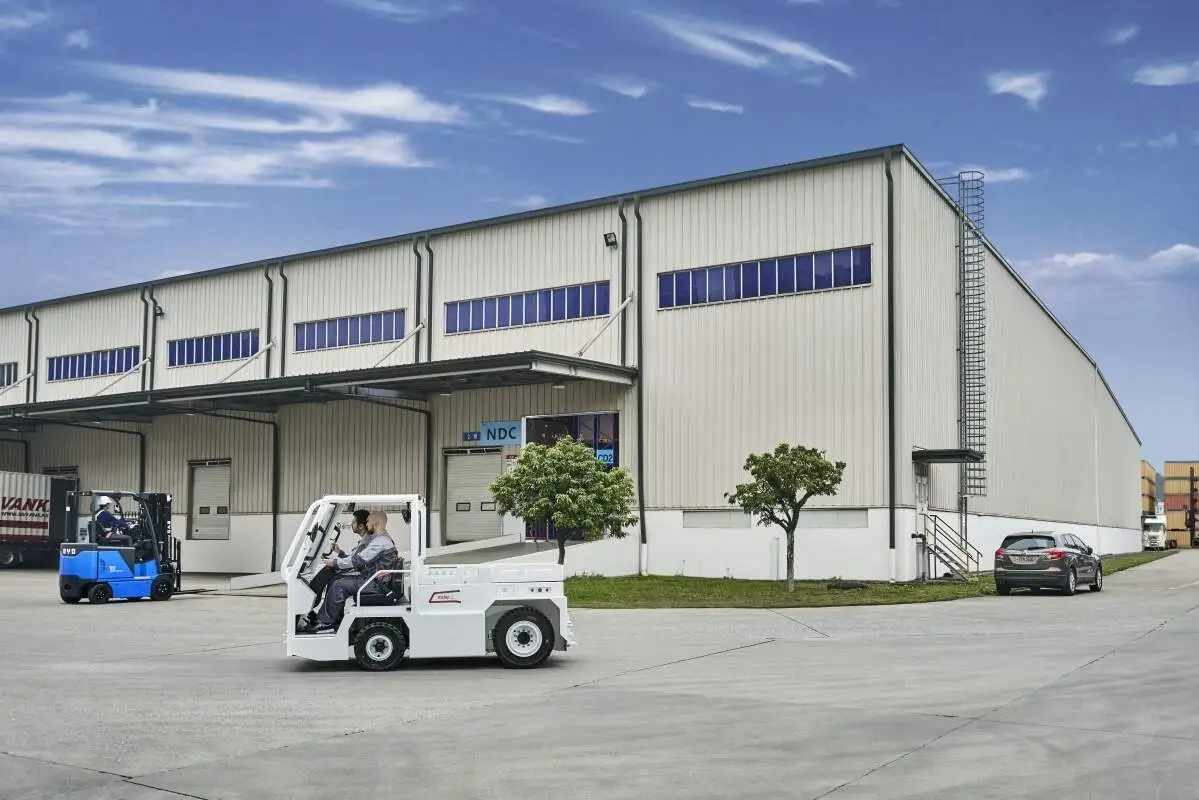
Adapt to the environmental performance of indoor workshops
Zero emission characteristics meet indoor air requirements
Indoor workshops are mostly closed or semi-closed spaces with limited air circulation. The exhaust gas generated by traditional fuel forklifts contains carbon monoxide, particulate matter and other pollutants, which are easy to accumulate in the workshop, affecting air quality and employee health. Zero-emission electric forklifts are powered by electricity and have no exhaust emissions throughout the operation, which can effectively maintain the air cleanliness of the workshop and meet the environmental protection requirements of indoor operations.
Enhance the suitability and safety of indoor operations
Low noise operation creates a comfortable environment
When traditional fuel forklifts operate, the engine noise is large, which will be further amplified in the closed workshop, interfering with employee communication and concentration. Long-term exposure to high-noise environments may also affect hearing health. Zero-emission electric forklifts operate with lower noise, which can create a relatively quiet working environment for the workshop and reduce noise interference on the production process and employee status.
Flexible control to adapt to narrow workshop scenarios
The indoor workshop usually has a compact layout, limited channel width, and various equipment and materials are placed, which requires high flexibility in forklift control. The zero-emission electric forklift has a lightweight steering system and a compact body design. It can complete operations such as turning and turning in narrow passages, and can flexibly shuttle to various working areas of the workshop to reduce obstacles to other production links.
Reduce the pressure on operation, maintenance and cost of indoor operations
Stable energy consumption reduces operating costs
Compared with fuel forklifts that rely on fuel with volatile prices, zero-emission electric forklifts rely on electricity as energy, and electricity prices are relatively stable. Long-term use can effectively reduce energy costs. At the same time, electric forklifts have a higher energy conversion rate and lower energy consumption under the same amount of operation, which helps enterprises control the operating costs of material handling in the workshop.
Low maintenance requirements for continuous operation in the adaptation workshop
The fuel forklift engine, fuel system and other components have complex structures, requiring regular oil replacement, filter cleaning, etc. The maintenance process is cumbersome and time-consuming. The zero-emission electric forklift drive system has a simple structure, and daily maintenance is concentrated on batteries, tires and other parts. The maintenance cycle is longer and the operation is simple. It can reduce production interruptions caused by maintenance downtime and adapt to the continuous operation needs of the workshop.


