
 简体中文
简体中文 繁体中文
繁体中文 Deutsch
 日本語
日本語 한국어
한국어 Tiếng Việt
 Русский
 ไทย
ไทย Bahasa Indonesia
 Bahasa Melayu
 Filipino
 لالعربية
 Français

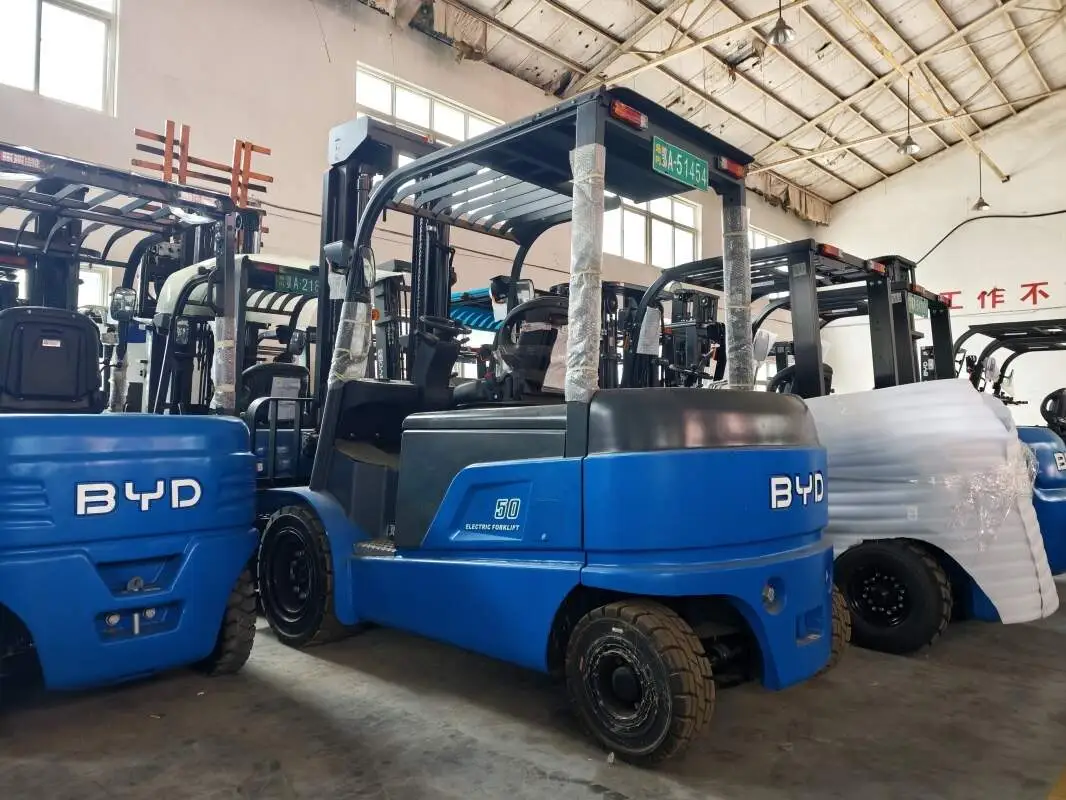
In the process of operation, many enterprises will face the decision to replace forklifts, especially the need to switch from traditional fuel forklifts to lithium-ion forklifts. The long-term operating cost of replacing lithium-ion forklifts is one of the core considerations when making decisions.
Procurement cost and long-term residual value assessment
The procurement cost is the primary expenditure of enterprises when replacing forklifts, but it cannot only look at the single investment, but also needs to be comprehensively measured in combination with the long-term residual value. Compared with traditional forklifts, the initial procurement investment of lithium-ion forklifts is slightly higher, but with the extension of the service life, its residual value is more stable. The core components of lithium-ion forklifts wear out slowly, and they can still maintain good performance after more than 5 years of use. Second-hand resale or recycling value is higher, which can effectively dilute the initial procurement cost.
Long-term comparison of energy costs
The cost of energy consumption is an important expenditure item in the long-term operation of forklifts. Traditional forklifts rely on fuel, and fluctuations in oil prices will directly affect operating costs, and fuel consumption efficiency decreases with the increase of service life. Lithium-electric forklifts are powered by electricity, and the price of electricity is relatively stable, and the charging efficiency is high. A single charge can meet the needs of long-term operation. Calculated by the annual operating hours, the annual energy consumption cost of lithium-electric forklifts is only about one-third of that of traditional forklifts, which can save a lot of money for enterprises over time.
Refined measurement of maintenance costs
Maintenance costs are also a key link affecting long-term operating costs. The structure of traditional forklifts is complex, including multiple easily worn parts such as engines and gearboxes. Consumables such as oil and filter elements need to be replaced regularly. The frequency of failure repairs is high, and maintenance costs are increasing year by year. The structure of lithium-ion forklifts is relatively simple, and the life of core components is longer. Daily maintenance only requires simple operations such as checking battery status and cleaning vehicles, which greatly reduces maintenance frequency and costs. In addition, the battery quality assurance cycle of lithium-ion forklifts is longer, reducing the risk of large maintenance expenses.
Comprehensive long-term cost estimation and decision-making recommendations
After comprehensively calculating the procurement cost, energy consumption cost, maintenance cost and other expenses, it is not difficult to find that although the initial investment in replacing lithium-ion forklifts is relatively high, the total expenditure will be lower than that of traditional forklifts during the 3 to 5-year operating cycle. When making decisions, enterprises need to comprehensively evaluate long-term operating costs based on factors such as their own operation intensity, usage scenarios, and budget situation, and make choices that meet their own development needs.


