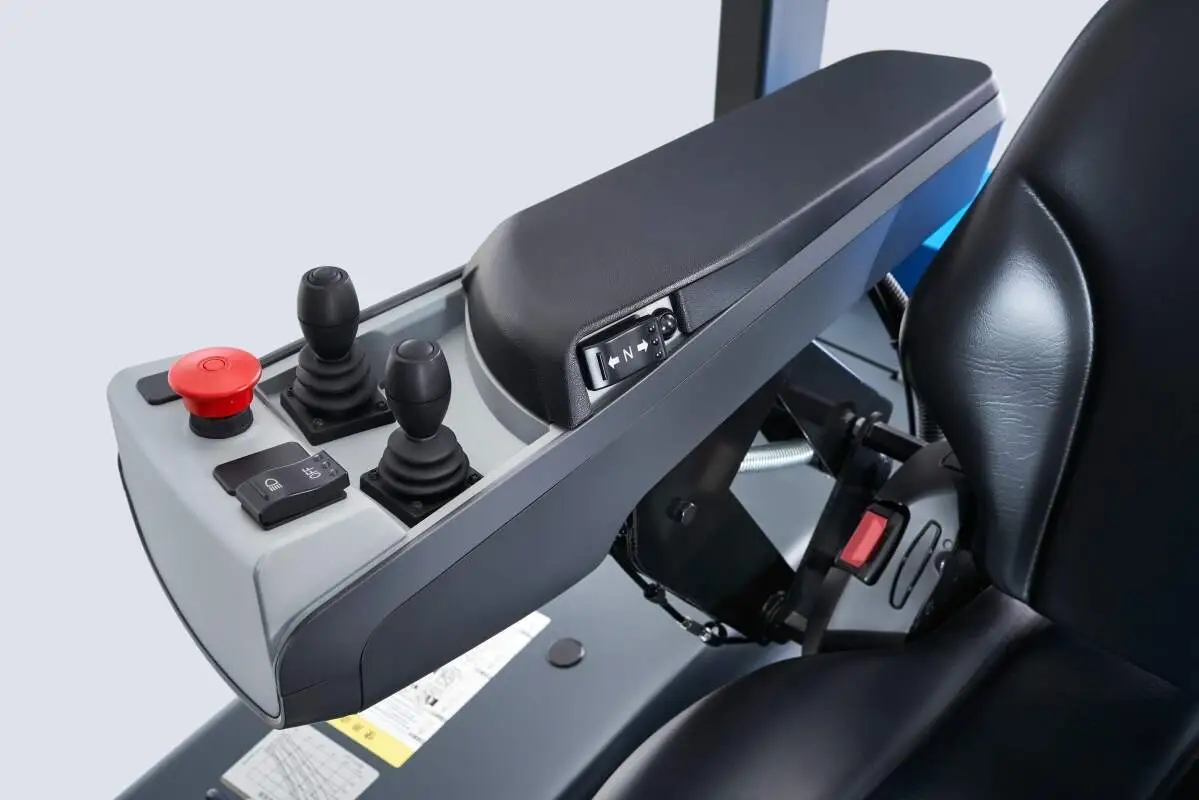
When planning warehouse aisle layouts, understanding the dimensions of heavy-duty electric equipment like 15K electric forklifts (15,000-pound capacity) is critical for ensuring efficient operations, safety, and optimal space utilization. These electric forklifts are commonly used for handling heavy pallets and materials in industrial warehouses, so their physical footprint directly impacts how you design aisles, storage zones, and traffic flow.
First, let’s break down the primary dimensions that matter most for layout planning. The overall length of a 15K electric forklift typically ranges from 12 to 16 feet, depending on whether it has a standard or extended fork carriage. This measurement includes the fork length, which usually spans 4 to 6 feet for most heavy-duty applications. The width of the forklift, excluding side attachments, is generally between 4 and 5 feet, a figure that determines the minimum clearance needed for side-by-side maneuvering or passing other equipment.
Vertical clearance is another key factor. The mast height in its lowered position is around 8 to 10 feet, while when fully extended, it can reach 18 to 24 feet, depending on the model. This means warehouse ceilings and overhead storage racks must accommodate these heights to avoid collisions and allow full access to upper storage levels.
One often-overlooked dimension is the turning radius. A 15K electric forklift typically has a turning radius of 10 to 14 feet. This measurement is essential because it dictates the minimum aisle width required for the forklift to make full turns without hitting racks or walls. For tight turns, you may need to add extra clearance of 1 to 2 feet to prevent accidental damage to inventory or equipment.
To determine the ideal aisle width, you’ll need to combine the forklift’s width with its turning radius and add a safety buffer. For example, a forklift with a 4-foot width and 12-foot turning radius would require an aisle width of at least 16 to 18 feet for smooth maneuvering. However, if your warehouse handles large pallets or uses double-stacked storage, you may need to widen aisles further to accommodate longer fork extensions or additional equipment.
Beyond the basic dimensions, there are other variables that impact layout planning. For instance, if your warehouse uses narrow-aisle storage systems, you may need to opt for a 15K electric forklift with a smaller turning radius or specialized mast design. Additionally, loading docks and entry points must have sufficient space to accommodate the forklift’s length and allow for safe loading and unloading of trucks.
Taking the time to accurately measure and account for 15K electric forklift dimensions during warehouse layout planning can lead to significant improvements in operational efficiency. By ensuring adequate clearance, optimal aisle widths, and proper vertical space, you can reduce the risk of accidents, speed up material handling processes, and maximize the overall storage capacity of your warehouse. Whether you’re designing a new warehouse or renovating an existing one, using these size references as a guide will help you create a functional and safe environment for your electric forklift operations.