Cheese production and distribution demand uncompromising adherence to global food safety regulations, as cheese is highly susceptible to contamination from unclean surfaces, moisture, or foreign particles. Standard material handling equipment often falls short in these scenarios, with crevices, painted surfaces, and non-food-safe materials creating risks that could compromise product integrity and regulatory compliance. Special-purpose electric forklifts tailored explicitly for food-grade cheese handling address these challenges, integrating design features that prioritize hygiene, safety, and operational efficiency.
One critical option is forklifts built with fully stainless steel frames and core components. Stainless steel’s non-porous nature prevents the accumulation of food residues and moisture, two primary contributors to bacterial growth. Unlike traditional steel or coated surfaces, it resists corrosion from frequent washdowns with food-safe sanitizers, ensuring long-term durability in high-hygiene environments. These forklifts also incorporate sealed electrical systems and waterproof controls to protect internal components during cleaning, eliminating the risk of water damage or electrical hazards.
Electric forklifts equipped with food-grade specialized attachments represent another essential solution. Fork tines can be coated in FDA-approved nylon or polished stainless steel, eliminating the threat of metal shavings or chemical leaching into cheese products. Customized clamps and pallet forks are designed to handle delicate cheese blocks, wheels, or packaged goods without causing structural damage, preserving product quality throughout the supply chain. These attachments are engineered for quick removal and disassembly, allowing operators to thoroughly sanitize each component between shifts or product runs.
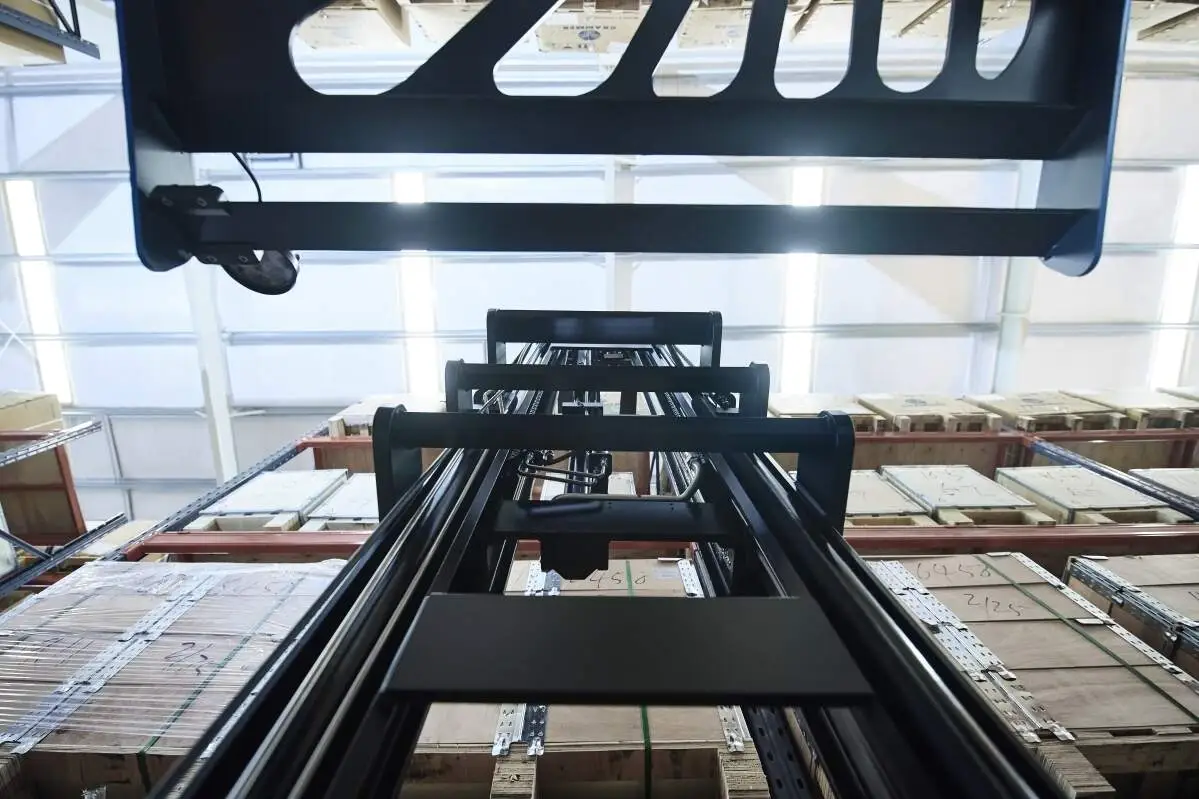
For operations focused on aged cheese storage or cold distribution, narrow-aisle electric forklifts offer optimized functionality. Compact and maneuverable, these models navigate tight warehouse corridors and high-density storage racks with precision, maximizing space utilization in temperature-controlled facilities. Many feature enclosed operator cabins with filtered ventilation systems to prevent contamination from external dust or debris, while their electric motors produce zero emissions, maintaining air quality in sealed cold storage environments. Cold-resistant hydraulic fluids and battery systems ensure reliable performance even in low temperatures, supporting consistent operations in cheese aging facilities.
When evaluating special-purpose cheese forklifts, several key considerations should guide your decision. First, confirm that all materials and components meet regional food safety certifications to ensure compliance. Assess your facility’s specific needs—whether you require washdown-ready designs, cold storage compatibility, or specialized lifting capabilities. Additionally, prioritize models with simplified maintenance features, such as smooth surfaces with minimal crevices and easily accessible components, to streamline cleaning processes and reduce operational downtime.