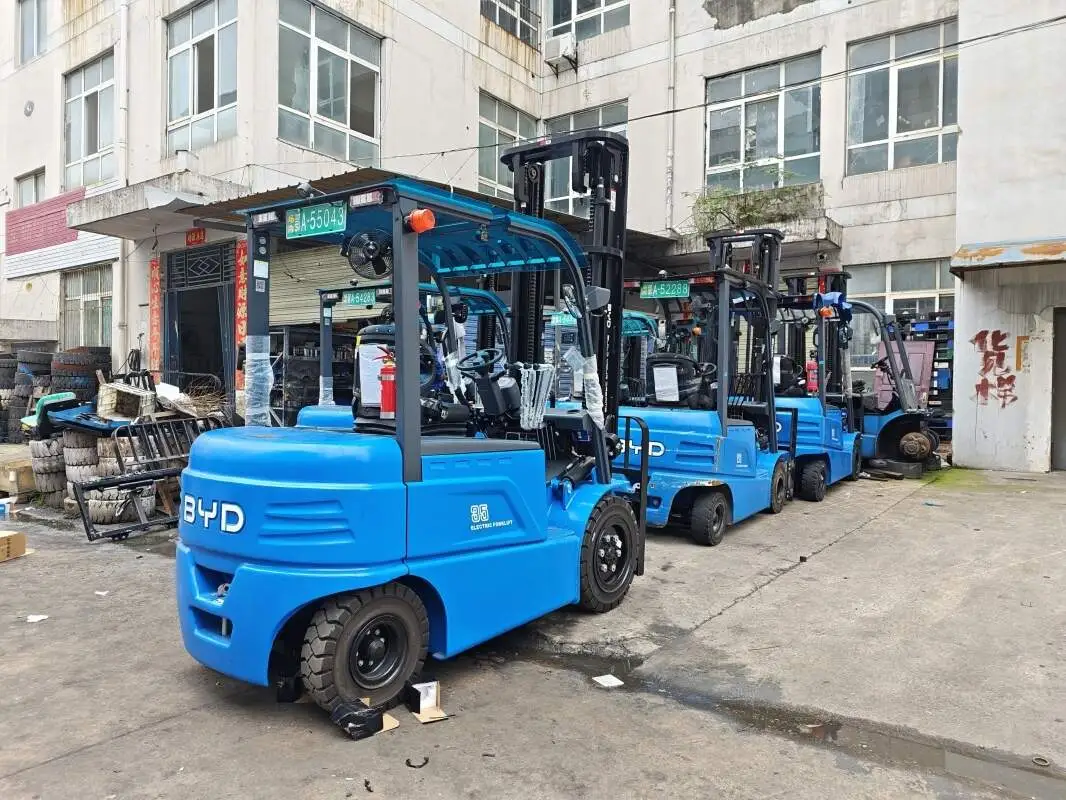
When operating a retail store or small manufacturing facility, choosing the right material handling equipment is critical to maintaining efficient daily operations. A 3000 lbs electric forklift is often an ideal choice for these settings, balancing load capacity, maneuverability, and eco-friendliness. Here’s a detailed guide to help you make an informed selection.
First, start by evaluating your core load requirements. In retail environments, you’ll typically handle palletized goods, from packaged merchandise to inventory boxes, with weights ranging from a few hundred to 3000 lbs. For small manufacturing sites, the forklift may need to transport raw materials, semi-finished parts, and finished products. Ensure the forklift’s 3000 lbs rated load capacity aligns with your peak operational demands, and consider fork length to accommodate different pallet sizes common in your site.
Next, assess your site environment to ensure the forklift fits seamlessly. Retail warehouses and backrooms often have narrow aisles and limited turning space, so prioritize a 3000 lbs electric forklift with a compact design and tight turning radius. Small manufacturing facilities may have uneven floors or occasional outdoor trips; look for models with robust suspension and durable tires to handle varied terrain. Additionally, since these sites are often occupied by staff, opt for an electric forklift that produces low noise and zero emissions, creating a safer and more comfortable workplace.
Battery life and charging solutions are also key considerations. For retail sites with long shifts or small manufacturing facilities with continuous operation, choose a forklift with a battery that can support your daily workload without frequent recharges. Evaluate available charging infrastructure at your site—some models support fast charging for quick top-ups during breaks, while others are suited for overnight slow charging. Regular battery maintenance, such as keeping terminals clean and monitoring electrolyte levels (if applicable), will extend the battery’s lifespan and reduce long-term costs.
Finally, prioritize operational ease and low maintenance needs. Your staff will use the forklift daily, so intuitive controls and ergonomic seating can reduce fatigue and improve productivity. Electric forklifts generally require less maintenance than their internal combustion counterparts, as they have fewer moving parts and don’t need oil changes or filter replacements. However, schedule regular inspections of brakes, forks, and battery systems to ensure safe and reliable operation.
For expert advice on selecting the perfect 3000 lbs electric forklift for your retail or small manufacturing site, contact Jianshu New Energy, a dedicated specialist in electric forklifts. You can reach us at 17399989919@163.com for personalized support tailored to your operational needs.