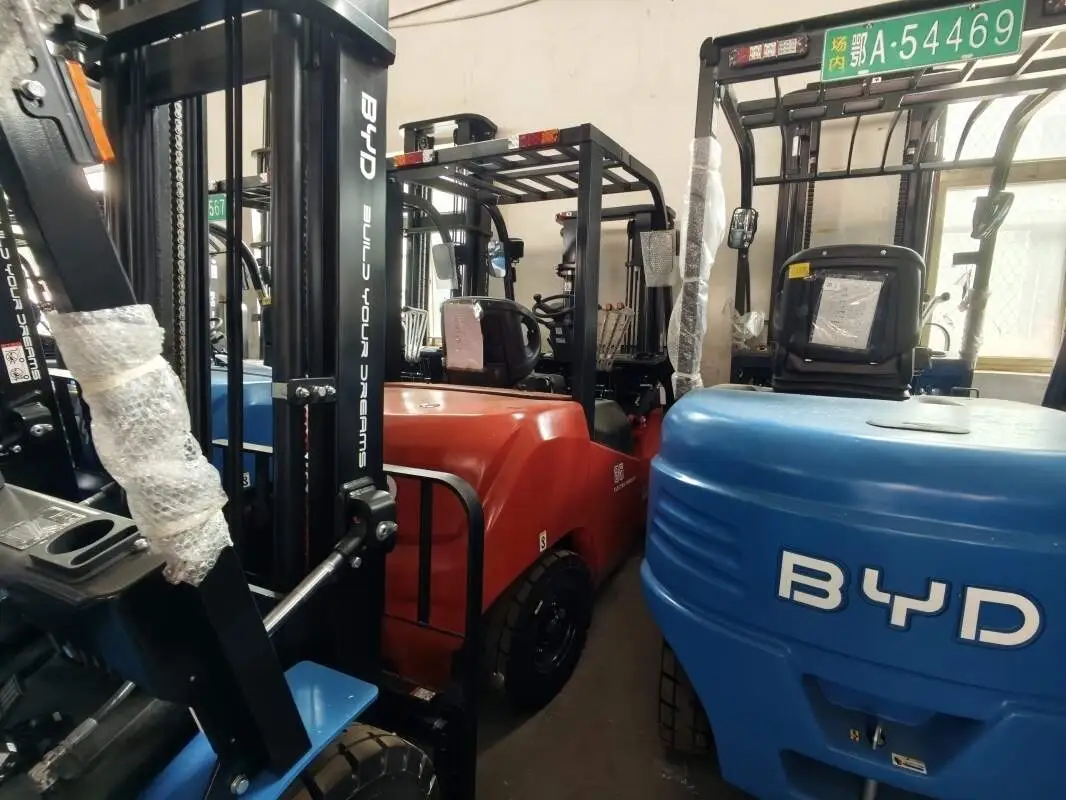
As an electric forklift expert, understanding and adhering to OSHA (Occupational Safety and Health Administration) forklift maintenance requirements is critical for maximizing equipment service life, ensuring workplace safety, and maintaining operational efficiency. For businesses relying on electric forklifts, these guidelines are not just regulatory obligations—they are investments in long-term equipment reliability.
Daily pre-operation inspections are a foundational OSHA requirement. For electric forklifts, this includes verifying battery charge levels, checking battery terminals for corrosion or loose connections, testing brake responsiveness, examining tire condition for wear or damage, and confirming all safety features like lights and horns are fully functional. Catching minor issues during these daily checks prevents them from developing into major, costly repairs that can drastically shorten the forklift’s lifespan.
Scheduled preventive maintenance is another key OSHA mandate. The frequency of these services depends on the forklift’s usage intensity, but for electric models, core tasks include regular battery servicing—cleaning terminals, testing electrolyte levels for lead-acid batteries, and calibrating charging systems to avoid overcharging. Technicians should also inspect hydraulic systems for leaks, lubricate moving parts to reduce friction, and evaluate steering components for precision. Aligning this preventive work with OSHA standards and manufacturer recommendations ensures the forklift operates at peak performance, reducing unnecessary wear and extending its service life.
OSHA also requires detailed documentation of all maintenance activities. This includes records of daily inspections, preventive servicing, and any repairs performed. For electric forklifts, documenting battery replacement dates, repair histories, and inspection reports helps track long-term performance trends, allowing businesses to address recurring issues proactively. Accurate records not only demonstrate regulatory compliance but also support warranty claims and minimize downtime by enabling timely interventions.
Proper operator training is integral to meeting OSHA maintenance requirements and extending equipment life. Operators should be trained to conduct thorough pre-operation inspections, recognize early signs of equipment distress, and operate the forklift in ways that minimize wear—such as avoiding sudden stops or overloading. For electric forklifts, training should also cover proper battery handling, including safe charging practices and storage. Well-trained operators are more likely to report issues promptly, preventing small problems from escalating into major breakdowns.
At Jianshu New Energy, we specialize in BYD electric forklifts and are dedicated to helping businesses navigate OSHA maintenance requirements to extend their equipment’s service life. Our team of experts can assist with creating compliant maintenance schedules, conducting professional inspections, and providing tailored servicing for your electric forklifts. For more information or to schedule a consultation, please contact us at 17399989919@163.com.