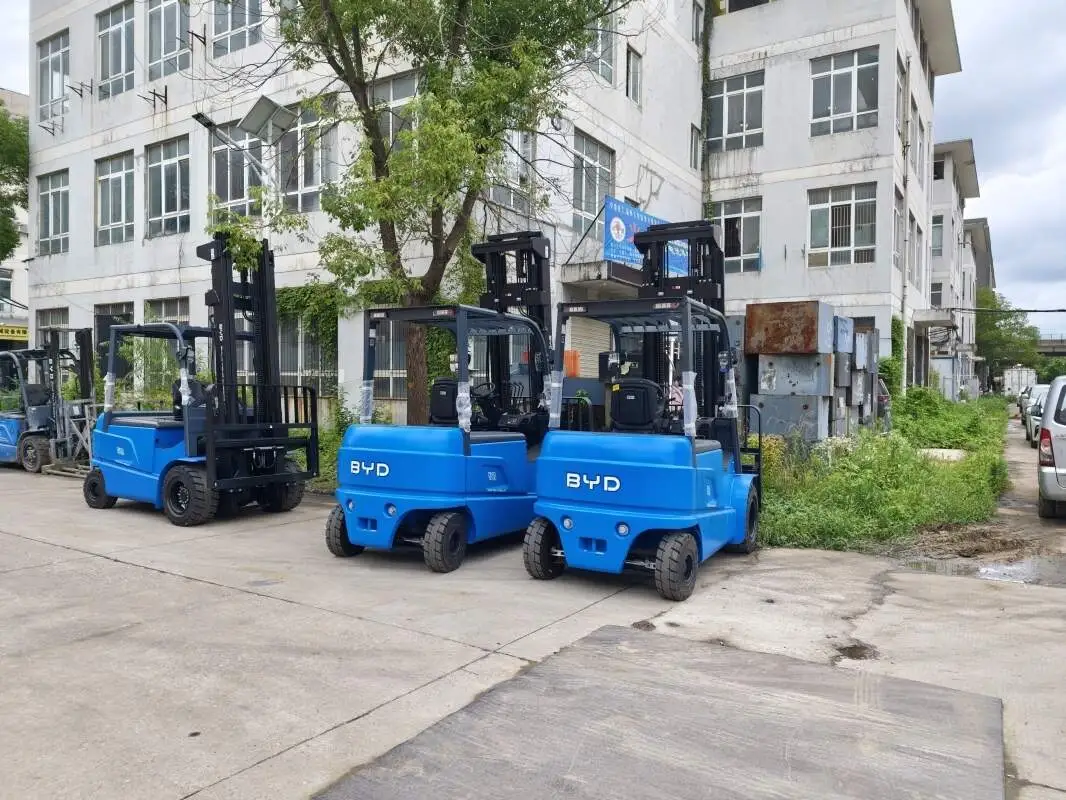
When it comes to light-duty indoor material handling, walkie forklifts stand out as versatile, compact solutions ideal for navigating narrow aisles and transporting small to medium loads. Whether you’re managing inventory in a retail stockroom, a small warehouse, or a distribution center, following proper operational protocols is key to maximizing efficiency and ensuring workplace safety.
Pre-Operation Inspection
Before starting any task, conduct a thorough pre-operation check to identify potential issues that could lead to accidents or downtime. Begin by inspecting the forklift’s tires for proper inflation and signs of wear—this ensures stable traction on smooth indoor surfaces. Next, check the brakes to confirm they engage and release smoothly, as responsive braking is critical for avoiding collisions in tight spaces. For electric walkie forklifts, verify the battery charge level and ensure all electrical connections are secure to prevent unexpected power loss during operation.
Load Handling Best Practices
Proper load management is essential to maintain the forklift’s stability and prevent load shifts. Always ensure the load is centered on the forks and secured if necessary—loose items can fall and cause injury or damage to goods. Avoid exceeding the forklift’s rated load capacity, as overloading can compromise its balance and lead to tip-overs. When lifting loads, raise them only high enough to clear the floor, reducing the risk of instability while moving. Lower the load to ground level as soon as you reach your destination to minimize potential hazards.
Maneuvering in Tight Indoor Spaces
Indoor environments often feature narrow aisles and crowded work areas, so precise maneuvering skills are a must. Slow down when turning corners or approaching blind spots, and use the forklift’s horn to alert nearby workers of your presence. Maintain a safe distance from walls, racks, and other equipment to prevent scratches or collisions. When reversing, always turn your head to check your surroundings, as rearview mirrors may not capture all obstacles. For electric models, take advantage of their quiet operation by communicating clearly with team members to avoid miscommunication.
Battery Maintenance for Electric Walkie Forklifts
Since electric walkie forklifts rely on batteries for power, regular maintenance is crucial to extend their lifespan and ensure consistent performance. After each use, charge the battery according to the manufacturer’s guidelines—avoid overcharging, as this can reduce battery efficiency over time. Keep the battery and its connections clean and free of corrosion, which can hinder power transfer. Store the forklift in a cool, dry area when not in use to protect the battery from extreme temperatures that could damage its components.
Post-Operation Protocol
Once you’ve completed your tasks, follow proper post-operation procedures to prepare the forklift for its next use. Lower the forks to the ground and engage the parking brake to secure the vehicle. Turn off the forklift and disconnect the battery charger if it’s plugged in. Perform a quick visual inspection to check for any damage that may have occurred during operation, and report any issues to your supervisor promptly.
At Jianshu New Energy, we specialize in BYD electric forklifts, offering reliable solutions for all your light-duty indoor material handling needs. For more information or to learn about our range of electric walkie forklifts, feel free to contact us at 17399989919@163.com.