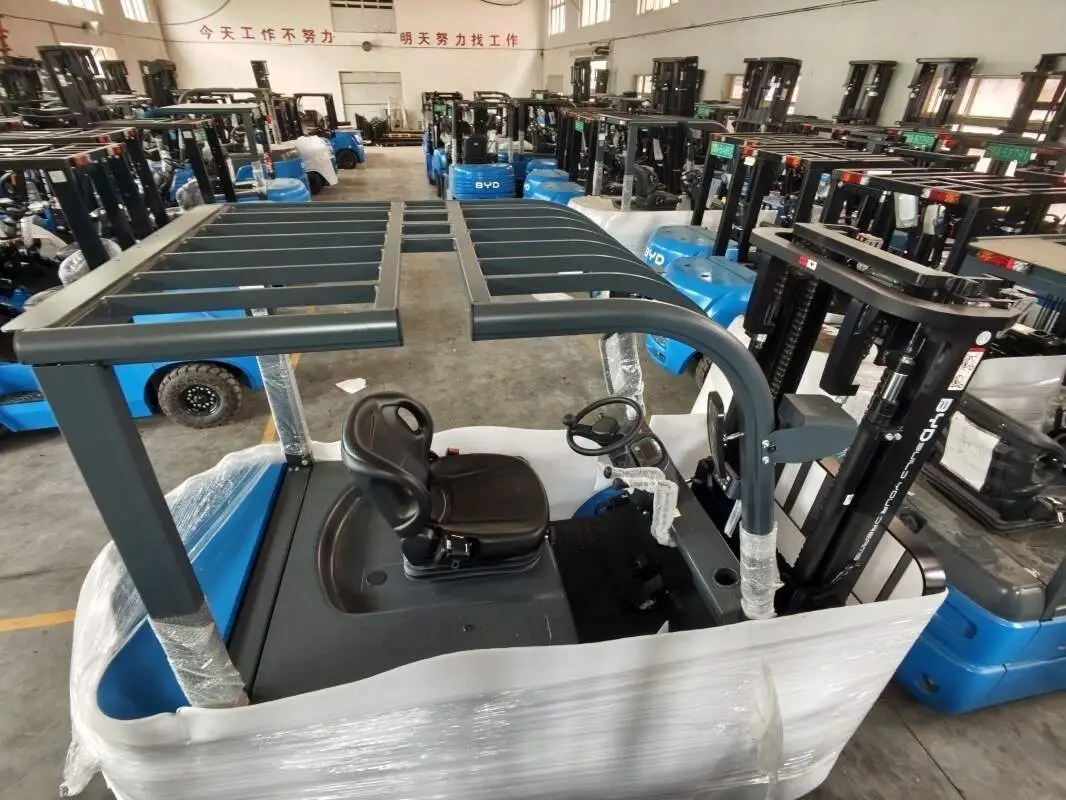
In modern industrial workplaces, where efficiency and reliability are critical to daily operations, choosing the right power source for forklifts can significantly impact overall productivity. Among the available options, 48 volt lithium ion forklift batteries have emerged as a practical solution for warehouses, manufacturing facilities, and distribution centers looking to optimize their material handling processes.
Longer runtime and consistent performance stand out as core benefits of these batteries. Unlike traditional lead-acid alternatives that experience gradual voltage drops as they discharge, 48 volt lithium ion batteries maintain a steady voltage output throughout their entire charge cycle. This consistent power delivery ensures forklifts operate at full capacity for extended periods, reducing the need for mid-shift battery swaps. For industrial settings with long operating hours, this translates to fewer workflow interruptions and more continuous material movement, directly supporting streamlined operations.
Reduced maintenance requirements are another key merit. Lead-acid batteries often demand regular upkeep, including water topping, terminal cleaning, and equalization charging, to preserve performance and lifespan. In contrast, 48 volt lithium ion forklift batteries are virtually maintenance-free. They require no water replenishment, and their sealed design minimizes risks of corrosion or acid leaks. This not only saves time for maintenance teams but also cuts down long-term operational costs associated with battery care.
Fast charging capabilities further enhance their value in industrial environments. Time is a precious resource, and these batteries can reach 80% charge in as little as one to two hours, allowing operators to recharge forklifts during short breaks or shift changes. This eliminates the need for extra backup batteries and dedicated battery storage areas, freeing up valuable floor space in warehouses and facilities.
Enhanced safety features also make 48 volt lithium ion batteries a reliable choice. They come equipped with integrated battery management systems (BMS) that monitor temperature, voltage, and current levels, preventing overcharging, overheating, and short circuits. Additionally, their robust casing reduces the likelihood of damage from impacts or vibrations during forklift operations, contributing to a safer working environment for all personnel.
Finally, these batteries support sustainable industrial practices. Unlike lead-acid batteries that contain toxic lead and acid, 48 volt lithium ion models pose no risk of environmental contamination during use or disposal. Their longer lifespan also means fewer battery replacements over time, minimizing waste. Many lithium ion batteries are recyclable, further aligning with circular economy initiatives in industrial sectors.
Overall, the merits of 48 volt lithium ion forklift batteries address key challenges faced by material handling teams, making them a compelling choice for boosting efficiency, reducing costs, and prioritizing safety and sustainability in industrial workplace operations.