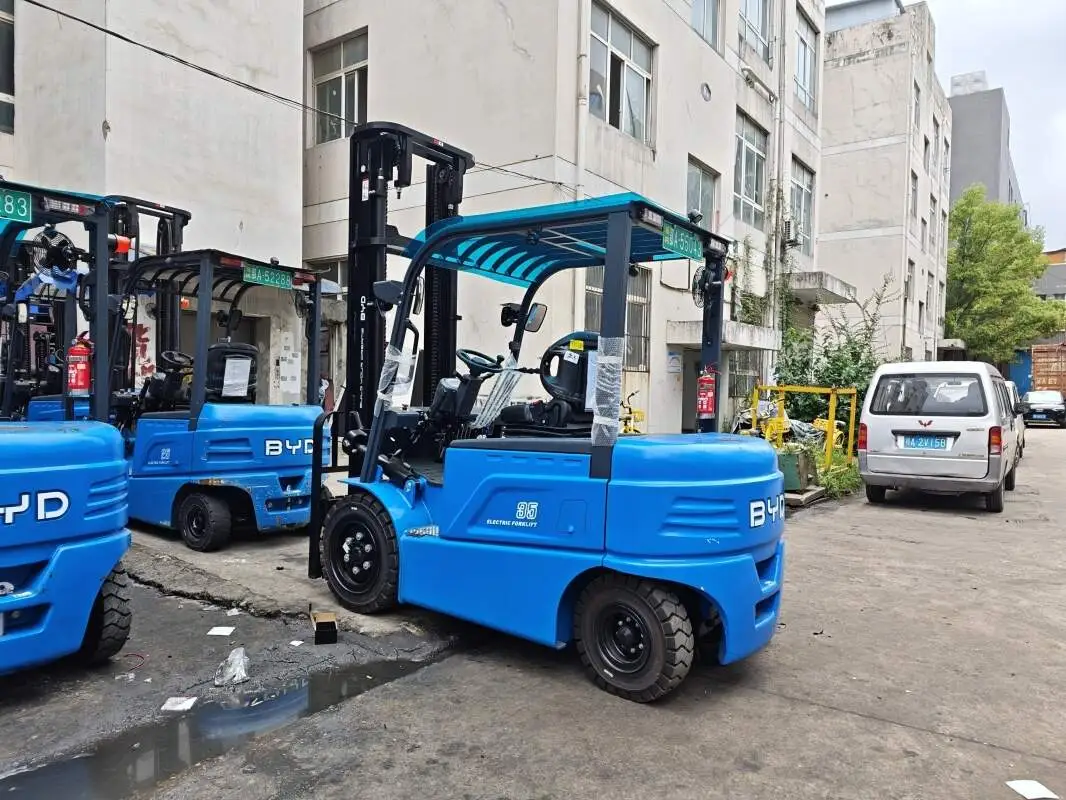
When it comes to electric forklifts, the battery is the backbone of performance, influencing everything from operational uptime to long-term costs. Understanding the common forklift battery types is essential for businesses to make informed decisions that align with their material handling needs, budget, and operational environment. Below is a comprehensive breakdown of the most prevalent power unit options available today.
Lead-acid batteries are the most widely used option in the forklift industry, thanks to their long-standing technology and relatively low upfront cost. These batteries operate using a chemical reaction between lead plates and sulfuric acid electrolyte. While they are affordable, they require regular maintenance, including periodic electrolyte level checks and water top-ups to ensure optimal performance. Lead-acid batteries also have longer charging times, typically requiring 8 to 10 hours of charging plus a cool-down period, and their cycle life averages around 1,500 to 2,000 charge cycles. They are ideal for operations with low to moderate usage intensity, where budget constraints are a primary concern and dedicated charging and maintenance schedules can be implemented.
Lithium-ion batteries have gained significant traction in recent years due to their advanced performance characteristics. Unlike lead-acid batteries, they require minimal maintenance, with no need for electrolyte checks or water additions. They boast faster charging times, often reaching 80% charge in just 1 to 2 hours, and can be opportunity charged during short breaks without negatively impacting battery life. Lithium-ion batteries also offer higher energy density, meaning they provide more power in a smaller, lighter package, which can enhance forklift maneuverability and load capacity. Their cycle life is significantly longer, ranging from 3,000 to 5,000 charge cycles. However, their upfront cost is higher than lead-acid options, making them more suitable for high-intensity operations, such as busy warehouses or distribution centers where continuous uptime is critical.
Nickel-iron batteries are a robust option designed for challenging operational environments. These batteries are highly resistant to overcharging, deep discharging, and extreme temperatures, making them suitable for outdoor operations or facilities with fluctuating temperature conditions. They have an exceptionally long lifespan, often lasting 20 years or more with proper care. However, nickel-iron batteries have lower energy density compared to lithium-ion and lead-acid alternatives, resulting in shorter run times between charges. They also have higher upfront costs and slower charging speeds. Despite these drawbacks, they are a reliable choice for specialized industrial applications where durability and longevity take precedence over quick charging or high power density.
Choosing the right forklift battery type depends on a variety of factors, including operational intensity, budget, maintenance capabilities, and environmental conditions. By evaluating the key features and limitations of each option, businesses can select a power unit that maximizes efficiency, reduces operational costs, and supports their long-term material handling goals. Whether opting for the cost-effective lead-acid battery, high-performance lithium-ion battery, or durable nickel-iron battery, each type offers unique benefits tailored to specific operational needs.