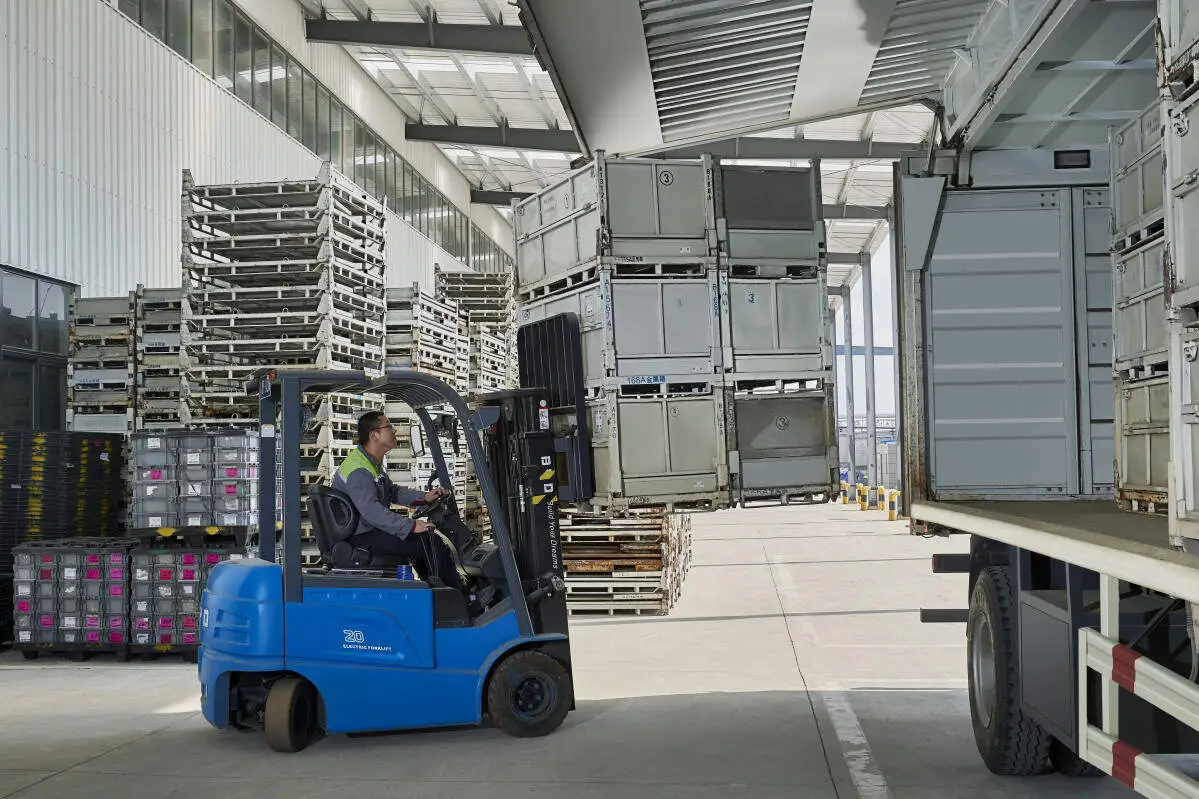
Performing daily pre-operation inspections is a critical step in maintaining electric forklift safety, reliability, and operational efficiency. Neglecting these checks can lead to equipment malfunctions, workplace accidents, and costly downtime. Below is a comprehensive reference of essential items to include in your daily forklift inspection routine, designed to cover key systems and components that directly impact performance and safety.
Start with exterior and structural checks by conducting a visual walkaround of the forklift. Inspect the body for signs of damage like dents, cracks, or loose panels that could compromise structural integrity. Check tires for proper inflation, excessive wear, cuts, or embedded debris—uneven or damaged tires affect stability and maneuverability. Ensure forks are straight, free from bends or cracks, and that fork clips and retaining pins are secure. Verify the load backrest extension is intact and positioned correctly to prevent loads from falling backward.
Next, focus on electrical system inspections, a vital area for electric forklifts. Check battery terminals for corrosion, loose connections, or damage, and confirm the battery is securely fastened in its compartment. Inspect battery cable insulation for cracks or fraying that could pose electrical hazards. Test dashboard indicators, including battery charge lights, warning alarms, and gauges, to ensure they function properly. Verify headlights, taillights, turn signals, and brake lights are working to maintain visibility and comply with safety regulations.
Hydraulic system checks are essential for load handling capabilities. Inspect hydraulic hoses and lines for leaks, cracks, or bulges—even small leaks can reduce performance and create safety risks. Check hydraulic fluid levels to ensure they fall within the recommended range outlined in the forklift’s manual. Test lift cylinders to ensure they operate smoothly without jerks or unusual noises when raising and lowering forks, and verify the tilt function works correctly with no delays or resistance.
Then, assess control and operational components. Test the steering wheel to ensure it turns smoothly without excessive play or stiffness. Check accelerator and brake pedals for proper resistance and responsiveness—brakes should engage firmly without slipping. Test lift and tilt levers, confirming they move easily and return to neutral when released. Inspect the parking brake to ensure it engages securely and holds the forklift in place on a level surface.
Finally, verify all safety devices are functional. Check the seat belt for fraying, damage, or faulty buckles, ensuring it latches securely. Inspect the overhead guard for structural damage, as it protects operators from falling objects. Test the horn to ensure it is loud enough to alert nearby workers. Confirm the backup alarm activates when the forklift is in reverse, and check rearview mirrors for proper alignment and clarity.
By systematically completing these daily inspections, operators can identify potential issues early, prevent equipment failures, and maintain a safe working environment. Consistent adherence to this checklist extends the forklift’s lifespan and helps meet regulatory safety requirements. Remember to document each inspection, noting any issues and addressing them promptly before operating the forklift.