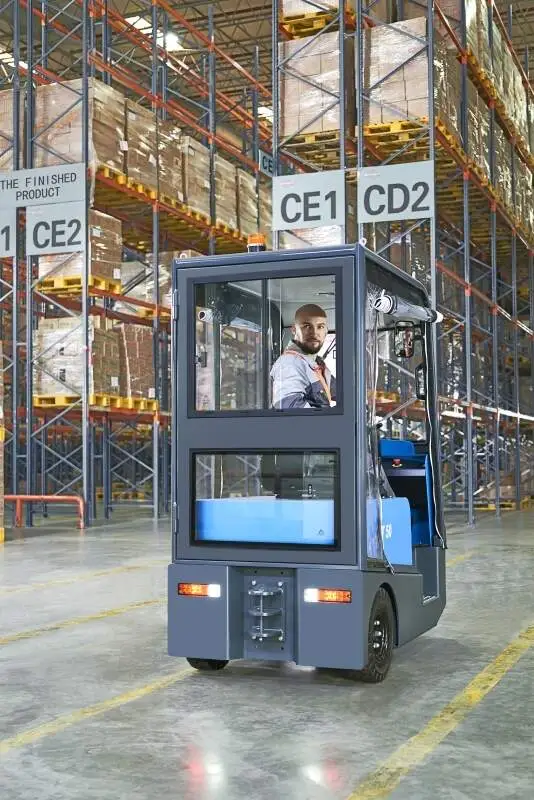
Forklifts are workhorses in industrial warehouses, distribution centers, and manufacturing facilities, handling heavy loads to keep operations running smoothly. However, without proper maintenance, these critical pieces of equipment can suffer premature wear, leading to costly breakdowns, safety hazards, and shortened lifespans. The Occupational Safety and Health Administration (OSHA) has established clear forklift maintenance requirements designed not only to ensure workplace safety but also to support extended equipment lifespan.
One of the foundational OSHA requirements is daily pre-operation inspections. Before using a forklift, operators must conduct a visual and functional check of key components. This includes examining brake systems for responsiveness, inspecting tires for wear or damage, verifying hydraulic fluid levels and checking for leaks, testing lighting and horn functionality, and ensuring the seatbelt and overhead guard are in good working order. OSHA mandates that any defects identified during these inspections must be reported immediately, and the forklift must be taken out of service until repairs are completed. Regular daily checks help catch minor issues before they escalate into major, expensive repairs, preventing unnecessary strain on the equipment and extending its operational life.
Beyond daily checks, OSHA requires scheduled preventive maintenance based on the equipment’s usage, manufacturer recommendations, and operating conditions. This may include oil changes, filter replacements, lubrication of moving parts, and detailed inspections of engines, transmissions, and hydraulic systems. The frequency of these services can vary—for example, forklifts used in heavy-duty applications may require monthly maintenance, while those in lighter use may need servicing every three months. OSHA emphasizes the importance of keeping detailed records of all maintenance activities, including dates, services performed, and any parts replaced. These records not only demonstrate compliance during OSHA inspections but also help track equipment performance over time, allowing operators to identify patterns of wear and adjust maintenance schedules accordingly to maximize lifespan.
OSHA also requires that forklift operators receive proper training on equipment maintenance best practices. Operators should be able to recognize signs of potential mechanical issues, such as unusual noises, vibrations, or reduced performance, and know how to report these concerns to maintenance teams. Proper training ensures that operators use forklifts correctly, avoiding actions that can cause unnecessary wear—like overloading the equipment, taking turns at excessive speeds, or ignoring weight capacity guidelines. By adhering to OSHA’s training requirements, businesses can reduce operator-induced damage, which is a common cause of shortened forklift lifespans.
Adhering to OSHA’s forklift maintenance requirements offers dual benefits: it creates a safer work environment by reducing the risk of accidents caused by faulty equipment, and it significantly extends the lifespan of forklifts. Well-maintained equipment operates more efficiently, uses less fuel, and requires fewer emergency repairs. Over time, this translates to lower operational costs, as businesses can avoid the expense of replacing forklifts prematurely. Additionally, compliance with OSHA standards helps businesses avoid costly fines and penalties, which can further impact the bottom line.
In conclusion, OSHA’s forklift maintenance requirements are not just regulatory obligations—they are essential strategies for protecting workplace safety and maximizing the investment in industrial equipment. By implementing daily inspections, scheduled preventive maintenance, thorough record-keeping, and operator training, businesses can ensure their forklifts remain in optimal condition for years to come, supporting smooth operations and long-term cost savings.