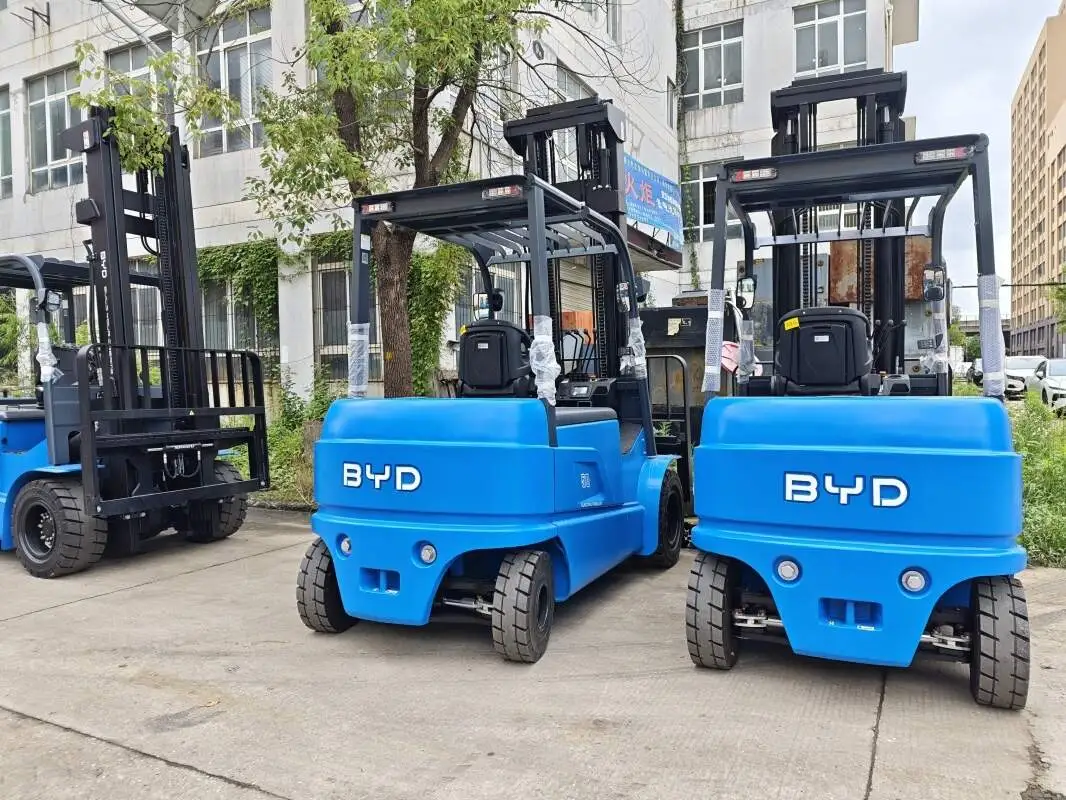
In modern warehousing and logistics operations, electric forklifts have become indispensable tools, with battery performance directly impacting operational efficiency. Among the available power solutions, 48 volt lithium ion forklift batteries have emerged as a reliable option, addressing many limitations of traditional lead-acid batteries.
Performance Analysis of 48 Volt Lithium Ion Forklift Batteries
1. Endurance and Charging Efficiency
With high energy density, 48 volt lithium ion batteries can support extended operational hours, meeting the demands of multi-shift work environments. Unlike lead-acid batteries that require long charging cycles, these lithium ion models can reach 80% charge in a relatively short time, minimizing downtime and keeping operations running smoothly.
2. Long-Term Durability
These batteries boast a higher number of charge-discharge cycles compared to conventional alternatives, reducing the need for frequent replacements. Additionally, they are free from memory effects, allowing partial charging without compromising overall lifespan. Their low maintenance requirements also cut down on long-term operational costs.
3. Stable Power Output
The 48 volt system delivers consistent voltage, ensuring stable power even under heavy loads. This makes the forklifts suitable for a variety of tasks, from light pallet moving to heavy cargo handling in manufacturing or distribution centers. The batteries also perform well in moderate temperature variations, maintaining reliable power output in different working environments.
4. Safety and Environmental Friendliness
Lithium ion batteries eliminate the risk of acid leakage, a common concern with lead-acid options, enhancing workplace safety. They are also more environmentally friendly, as they contain fewer toxic materials and are recyclable, aligning with sustainable operational goals.
Practical Purchase Guidance
1. Match with Operational Scenarios
Before purchasing, evaluate your daily operational requirements, including shift length, average load weight, and working environment. Choose a battery with appropriate capacity and performance metrics to ensure it aligns with your specific needs.
2. Focus on Key Battery Parameters
Pay attention to core parameters such as energy density, charge-discharge cycle count, and charging speed. These factors directly influence the battery’s operational efficiency and longevity, so prioritize options that balance these aspects for your use case.
3. Prioritize After-Sales Support
A reliable supplier should offer comprehensive after-sales services, including regular battery inspections, maintenance support, and prompt troubleshooting. This ensures that any issues are addressed quickly, minimizing operational disruptions.
4. Choose a Professional Supplier
For tailored solutions, consider partnering with specialized new energy enterprises like Jianshu New Energy, which focuses on electric forklift solutions. We provide personalized guidance to help you select the right 48 volt lithium ion battery for your fleet. For more information, feel free to contact us at 17399989919@163.com.
In conclusion, 48 volt lithium ion forklift batteries offer significant advantages in terms of efficiency, durability, and safety. By following the above guidance, you can make an informed purchase decision that supports your operational goals and long-term cost savings.