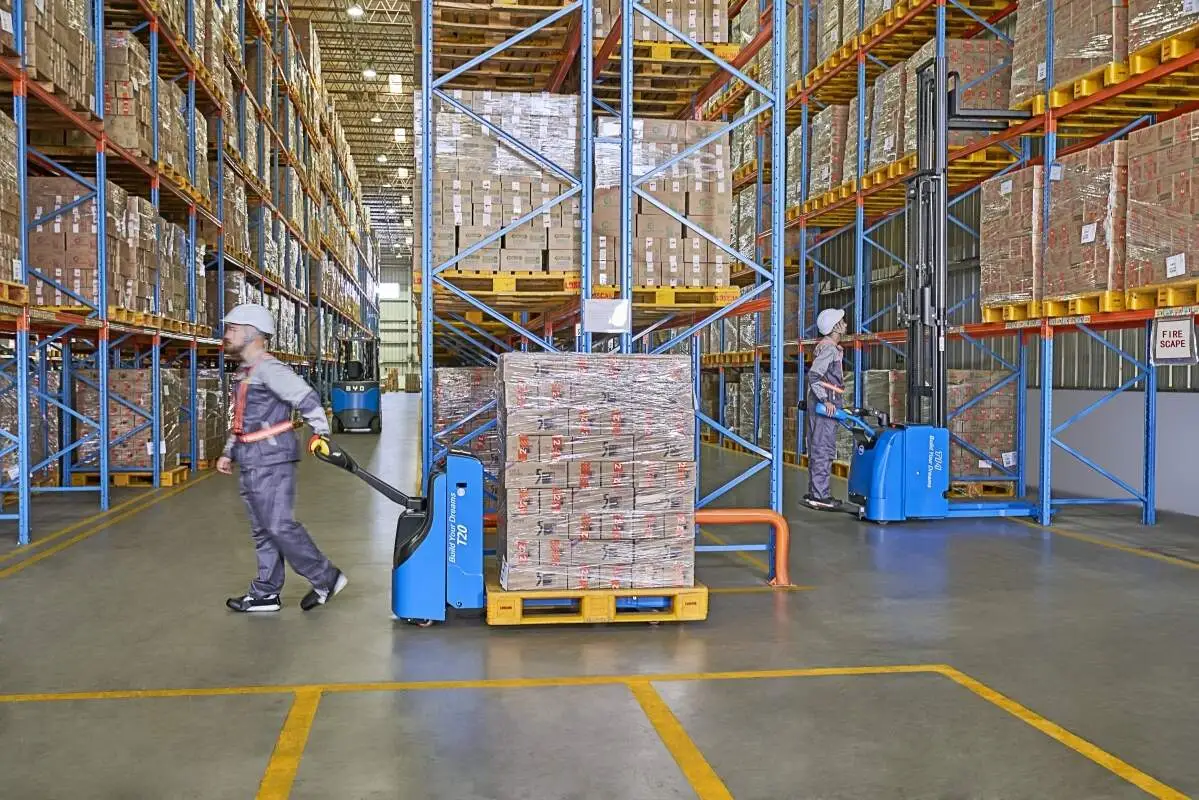
forklift working attachments are essential components that extend the functionality of standard forklifts, enabling them to handle diverse material handling tasks across industrial, warehousing, and construction environments. Selecting the right accessories not only boosts operational efficiency but also ensures workplace safety and equipment longevity. This guide outlines key considerations to help you make informed decisions when choosing widely used forklift working attachments.
Compatibility with Existing Equipment
The first and most critical factor is compatibility with your forklift. Not all attachments fit every model, so you need to verify the attachment’s mounting system matches your forklift’s interface. Check specifications such as lift capacity ratings, hydraulic system pressure requirements, and overall dimensions to avoid mismatches that could lead to operational failures or safety hazards. Even minor discrepancies in mounting points can compromise stability during use, so always cross-reference general equipment guidelines before making a selection.
Assess Load Capacity and Task Requirements
Next, align the attachment’s load capacity with your typical task demands. For example, if you frequently handle bulky items like pallets, a side-shifter attachment should be rated to support the maximum weight of your heaviest loads. For tasks involving irregularly shaped materials, such as pipes or lumber, a clamp attachment with adjustable grip strength is more suitable. Consider both the static and dynamic load limits of the attachment, as dynamic forces during lifting or moving can impact performance. Overloading an attachment not only damages the equipment but also increases the risk of workplace accidents.
Match Attachments to Application Scenarios
Different work environments require specialized attachments. In cold storage facilities, attachments with corrosion-resistant coatings are necessary to withstand low temperatures and moisture. For outdoor construction sites, heavy-duty attachments designed to endure rough terrain and harsh weather conditions are ideal. If your operations involve frequent loading and unloading of trucks, a fork positioner attachment can streamline the process by allowing quick adjustment of fork spacing without leaving the operator’s seat. Evaluating your daily workflow and environmental conditions will help you narrow down the most appropriate attachments for your needs.
Evaluate Maintenance and Durability
Long-term maintenance requirements and durability are also key considerations. Opt for attachments made from high-quality materials that can withstand repeated use and wear. Look for features like easy-to-replace parts and accessible lubrication points, which can reduce downtime and maintenance costs. Additionally, consider the availability of general service support for the attachment, as timely repairs are essential to keep your operations running smoothly. Avoid attachments with overly complex designs that may require specialized training or tools for upkeep.
By prioritizing compatibility, load capacity, application suitability, and maintenance needs, you can select forklift working attachments that enhance productivity and safety. Taking the time to evaluate these factors before purchasing will ensure that your investment delivers long-term value and supports the efficient execution of your material handling tasks. Remember, the right attachment is not just an add-on—it’s a strategic tool that can transform your forklift into a versatile asset tailored to your specific operational requirements.