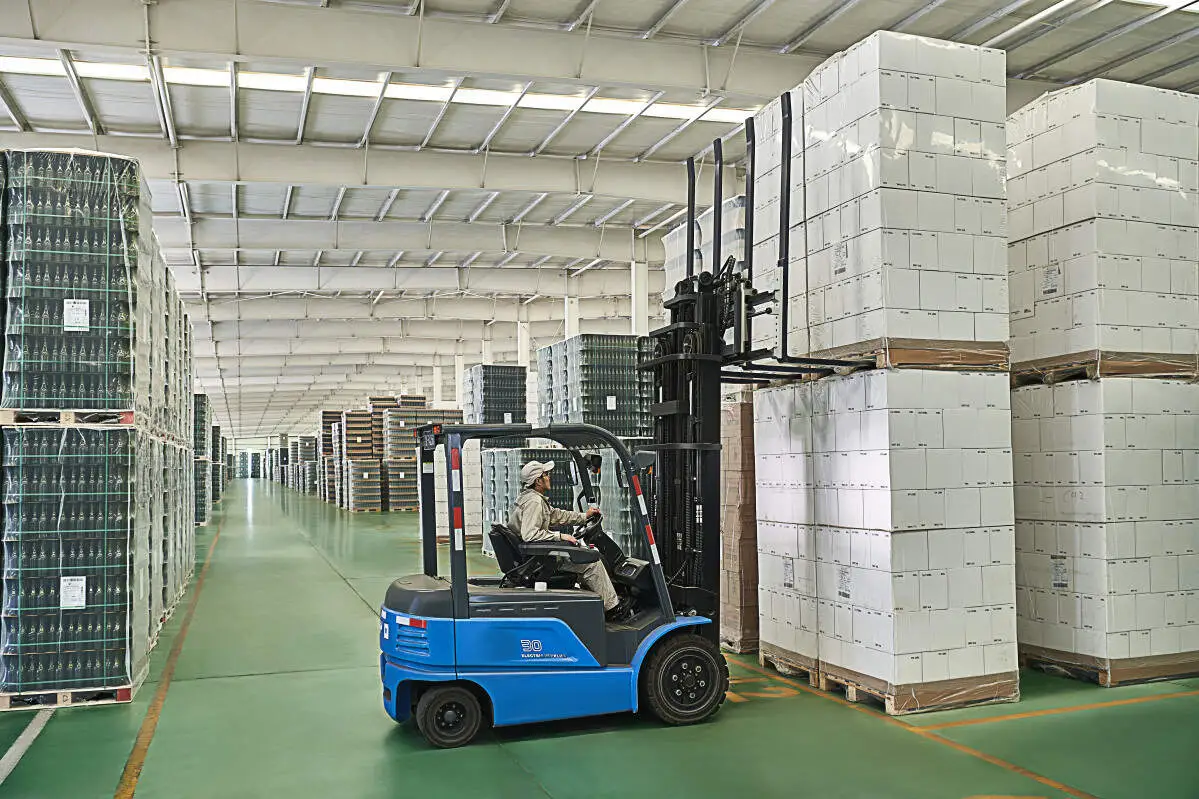
High-lifting operations are a common yet high-risk aspect of forklift use in material handling settings. When lifting loads to elevated heights, a forklift’s center of gravity shifts significantly, increasing the likelihood of tipping if proper stability measures are not implemented. Effective stability management is critical to protect operators, prevent property damage, and maintain operational efficiency.
Before initiating any high-lifting task, operators must conduct a thorough load assessment. First, verify that the load’s weight does not exceed the forklift’s rated capacity for the intended lift height—capacity decreases as lift height increases, so consulting the load chart is non-negotiable. Additionally, identify the load’s center of gravity; unevenly distributed loads can cause the forklift to tilt even within weight limits. If a load is unbalanced, reposition it or use stabilizing attachments to ensure uniform weight distribution across the forks.
Correct fork positioning is foundational to stability during high lifts. Insert the forks fully into the pallet, ensuring they extend at least two-thirds the length of the load to provide adequate support. Avoid using only one fork or partially inserting forks, as this creates an unstable base. Once the forks are in place, adjust them to center the load evenly. This balance minimizes lateral shifts in the center of gravity as the load is raised, reducing tipping risks. Operators should also ensure the load is secured with straps or binders if it is loose or has irregular shapes.
Sudden movements are a leading cause of forklift tipping during high-lifting operations. When raising the load, use a slow, steady rate to allow the forklift’s hydraulic system to stabilize and prevent the load from swinging. Avoid accelerating, decelerating, or turning abruptly while the load is elevated—even small shifts in momentum can disrupt the forklift’s balance. If the load starts to sway, lower it slightly and stabilize before continuing. When traveling with an elevated load, keep the height to the minimum necessary to clear obstacles, as higher heights increase instability.
The operating environment plays a crucial role in forklift stability. Always inspect the work area before starting high-lifting tasks. Avoid operating on uneven or sloped surfaces; if a slope is unavoidable, travel with the load facing uphill to maintain balance. Ensure the ground is free of debris, oil spills, or loose gravel, which can cause the forklift to skid or tip. Indoor operations should check for overhead obstacles that could interfere with the load, while outdoor operations need to account for wind, which can affect the stability of tall, lightweight loads.
Well-trained operators are the first line of defense against stability issues. Comprehensive training should cover load chart interpretation, proper lifting techniques, and emergency procedures for tipping scenarios. Operators should also be trained to recognize signs of mechanical wear that could impact stability, such as worn tires or faulty hydraulic systems. Regular pre-operation inspections of the forklift are essential—check tire pressure, brake functionality, and hydraulic fluid levels to ensure all components are in working order. Routine maintenance by qualified technicians helps prevent unexpected failures during high-lifting tasks.
By implementing these stability management methods, operators can significantly reduce the risks associated with high-lifting forklift operations. Prioritizing pre-operation checks, proper load handling, controlled movements, environmental awareness, and ongoing training creates a safer work environment while maintaining productivity. Remember, stability is not just a matter of following procedures—it is a continuous commitment to safe material handling practices.